



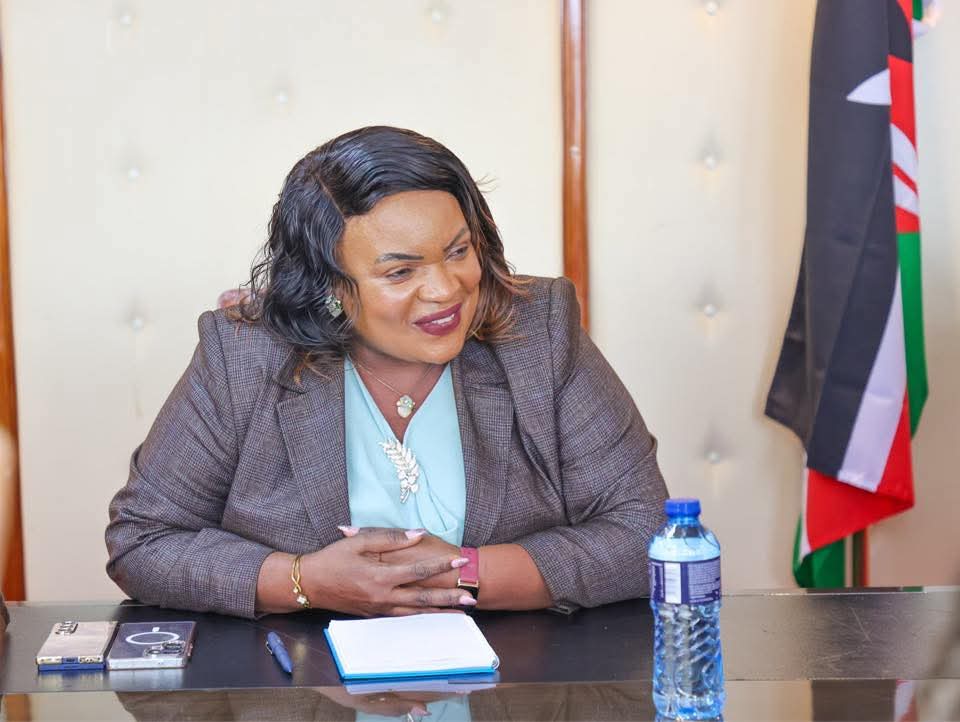

President Ruto reaches out to ethics-driven Quakers, to host members at State House
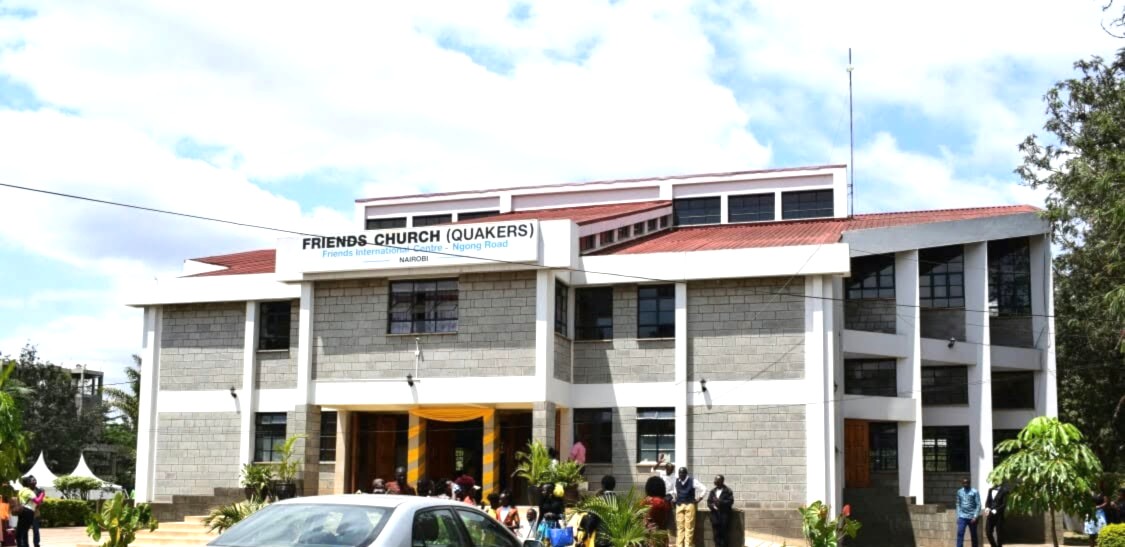
In a first encounter of its own, President William Ruto will on Monday, August 3 host a national delegation of the highly ethical Quakers Church in Kenya.
Officially known worldwide as the Religious Society of Friends, the Quakers have had their presence in Kenya since
Quakerism in Kenya originated in 1902 with the arrival of three American missionaries—Willis R. Hotchkiss, Arthur B. Chilson, and Edgar T. Hole. Sent by the Friends Africa Industrial Mission from Ohio, they established the first permanent Quaker station in the Kaimosi Forest of Western Kenya.
With an estimated membership of over 150, 000 followers, today, Kenya hosts the largest concentration of Quakers worldwide.
The church is an offshoot of the Church of England. It was started in the Midlands and North West of England in the 17th Century by a young man known as George Fox who objected to some of the practices by the Anglicans such as drinking of alcohol and which he believed contradicted the Bible.
Fox had always had reservations with the conduct of the members of the Church of England from the age of 12 years but it was in 1647 when he opted to break away at the age of 23 years old to establish the Religious Society of Friends.
The Quakers church is founded on six strong pillars summarised as SPICES. Thus: Simplicity, Peace, Integrity, Community, Equality and Stewardship.
In their strict adherence to these virtues, Fox and other members of the Society were repeatedly persecuted for their beliefs, being thrown in jail and tortured every now and then.
It was while in the dock on one of the occasions that Fox teased the presiding magistrate he was appearing before to be quaking whenever the name of God was mentioned in his presence.
It was from that incident that the church was given the sobriquet Quakers, which has stuck to this day.
Sticklers to the six virtues are uncompromising crusaders for and defenders of rights, freedoms and liberties for everyone and everybody.
They are fearlessly faithful to the teachings of Jesus Christ, do not take or give bribes, abhor business exploitation and do not lie or bear false witnesses.
They are firm followers of Christ who do not kill, steal or lie.
Quakers hold the respected General Consultative Status at the United Nations through the Friends World Committee for Consultation (FWCC), which is their global umbrella body.
That status is the highest level of accreditation granted to non-governmental organisations by the UN, allowing them to operate official representation offices.
They operate through the Quaker United Nations Office (QUNO) with physical locations in Geneva and New York City.Quaker Houses from where they maintain informal, off-the-record meeting spaces near the UN headquarters to host diplomats, UN staff, and experts for quiet dialogue and consensus-building
Their core focus is on areas of Peace and Disarmament: Advocating against violent conflict and supporting peace-building systems.Human Rights: Working on refugee protections, conscientious objection, and criminal justice reform (such as the rights of children of prisoners).Sustainability:
They also address human and social impacts of global climate change.
Kenya hosts the largest concentration of Quakers worldwide, with an estimated membership of 150, 000 followers, mostly in Western Kenya. The Friends Church was established in Kenya in 1902, at Kaimosi in Vihiga County.
Beyond Kenya and the United Kingdom, the State of Pennsylvania in the United States S was founded by exiled English Quakers and even named it after its founder William Penn.
The word Slavania is a native American term that means woodlands, woods or forest.
Thus, Pennsylvania means the Woodlands or forest of Penn.
Quakers were also instrumental in the establishment of New Jersey, Delaware and Rhode Island states.
The Quakers Church has to date established more than five universities in the United States and more than 10 flourishing schools in the United Kingdom.
Quakers believe in peaceful resolutions of conflicts and abhor violence of any form. Initially, Quakers were opposed to conscription into warfare. A practice that brought them into conflict with the Monarchy in England where they were killed, imprisoned or sent into exile owing to their beliefs.
They believe in direct worship to God and that God the Creator ranks above any creature, including man.
That belief is one of the reasons that triggered a clash between Quakers and the English monarchy when worshippers resisted the move to prioritise the Crown ahead of God, famously declaring that the Cross comes before the Crown.
Quakers were key architects of the Industrial Revolution in England
They were on the forefront of the abolition of slavery crusade in the US, the fight for the independence of the United States and the civil rights movement of the 1950s and 60s in that country.
Former United States Presidents Richard Nixon and Herbert Hoover were Quakers while former First Lady Dolley Payne Madison, the wife of fourth President of the United States, James Madison was a Quaker.
Global entrepreneurial empires founded by Quakers include Barclays Bank, Cadbury’s, Clarke and Lloyds Bank of London.
Some of the notable Quaker public figures in Kenya include Prime Cabinet Secretary Musalia Mudavadi, Prof. Miriam Were, Higher Education Principal Secretary Dr. Beatrice Muganda Inyangala, Dr. Mukhisa Kituyi, independent Kenya’s first deputy chairman of the Public Service Commission, Benjamin Shidzugane Ngaira, the late Prof. Norah Olembo, the late prominent cardiologist Dr. Benaya Majisu, deceased Cabinet Ministers Elijah Wasike Mwangale, Joshua Mulanda Angatia and Moses Sunstone Mudavadi.
Prime Cabinet Minister Musalia Mudavadi also is.
Some of the prominent learning institutions established by the Quakers in Kenya include Friends’ Kaimosi University (formerly Kaimosi Teachers’ College), Alliance Boys and Girls’ High Schools*, Musingu Boys’ High School, Kaimosi Girls High School, Lugulu Girls’ High School, Friends’ School Kamusinga (Boys), Malava Boys ‘ High School, Friends’ Vokoli Girls ‘ High School and Kivaywa Boys ‘ High School, among others.
The prestigious Alliance schools, were mooted in 1926 by the Alliance of Protestant Churches in Kenya, of which the Quakers Church was a prominent member.