




Mudavadi son’s Malava marriage: Political strategy or pure coincidence?
By John Abukuse.
In the high-stakes game of Kenyan politics, where every move is scrutinised, a personal family event has become a subject of intense public debate.
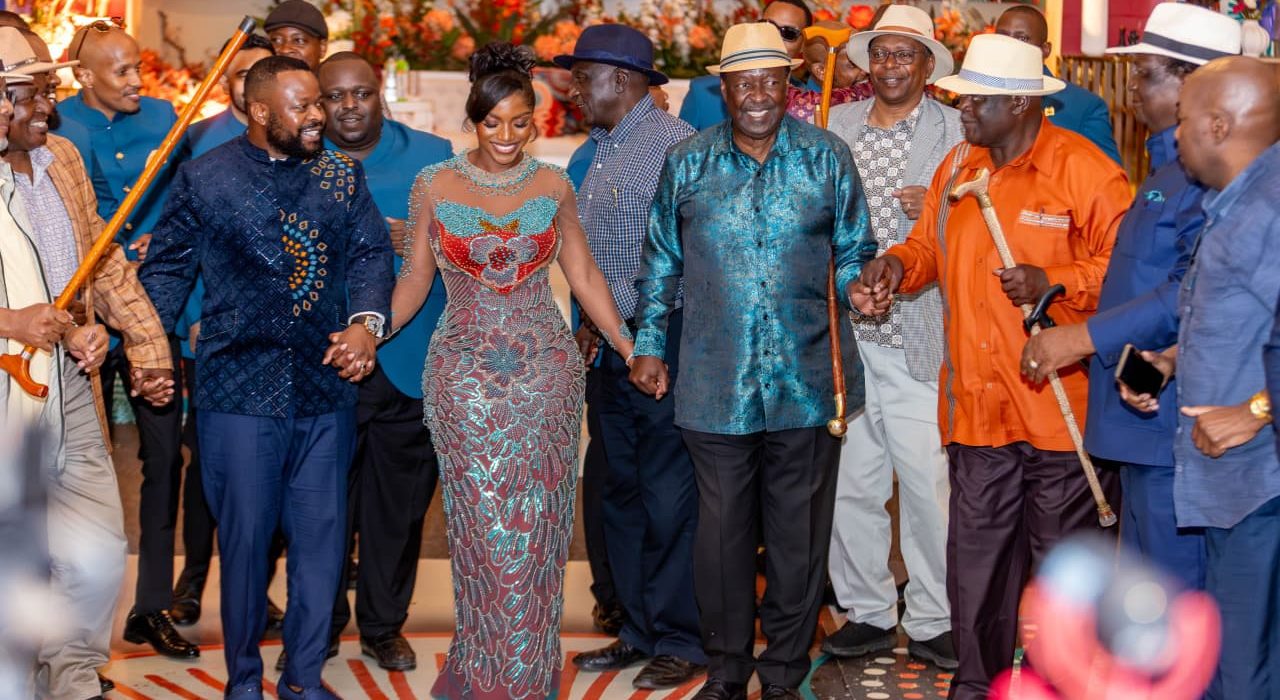
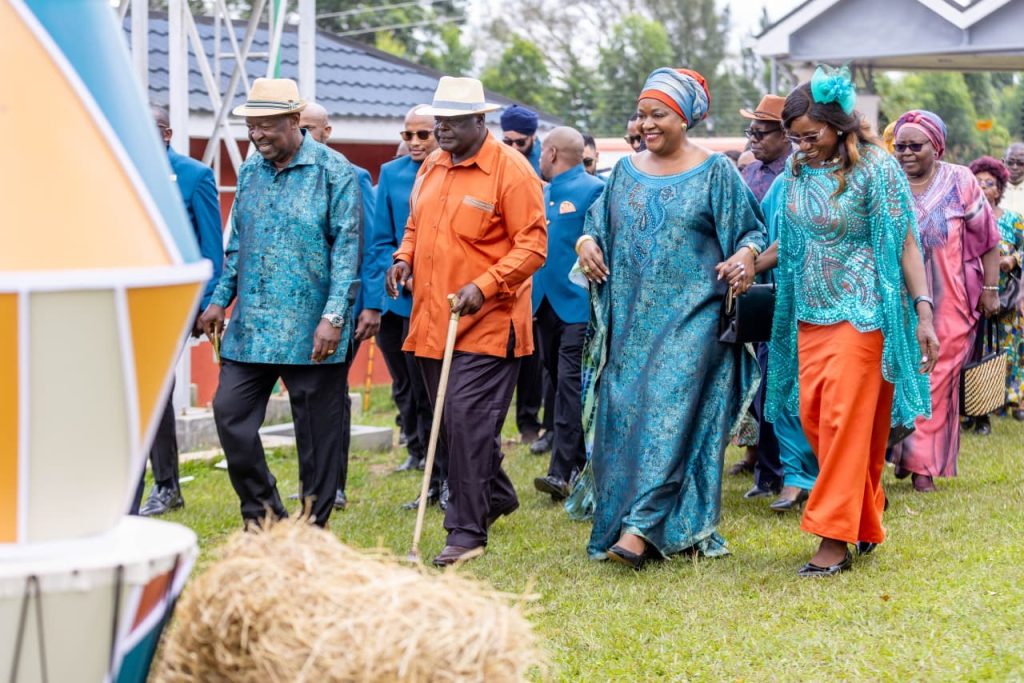
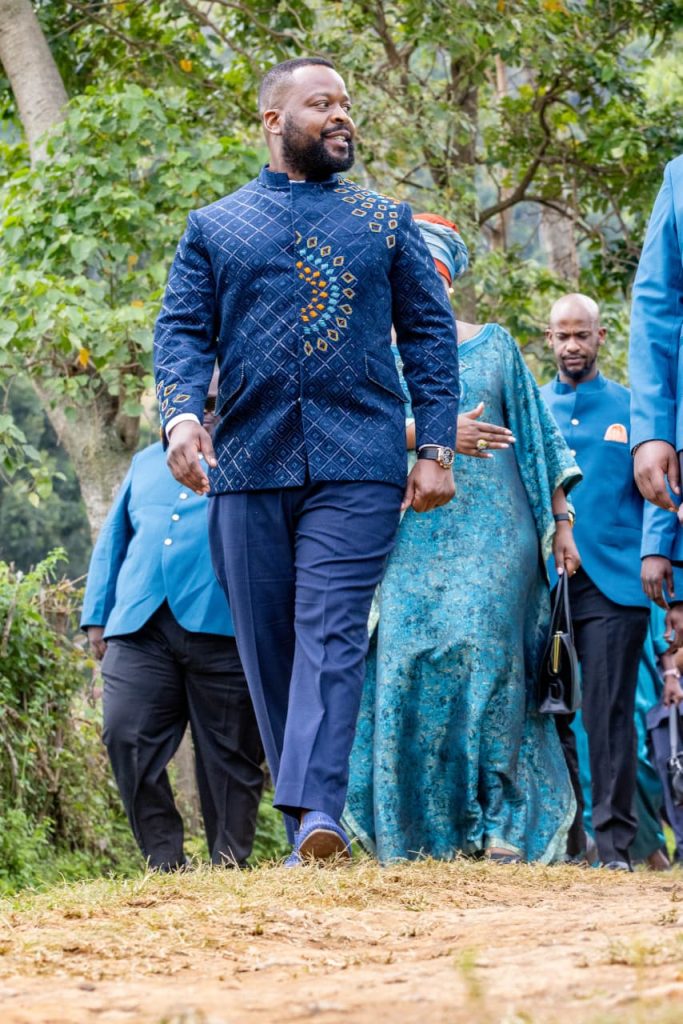
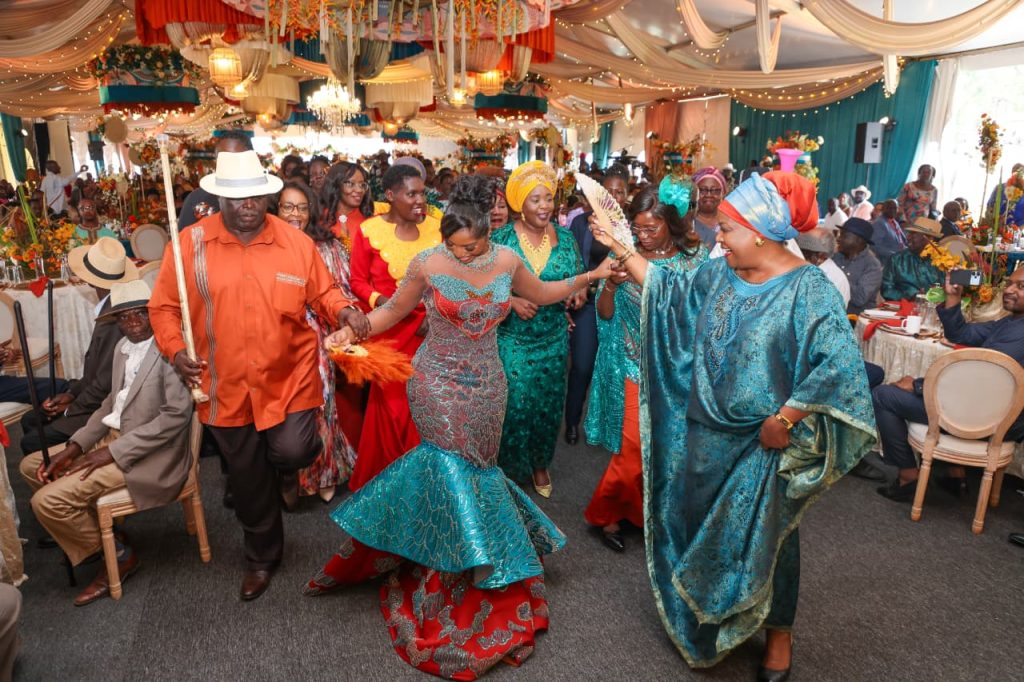
The recent marriage of Moses Mudavadi, the elder son of Prime Cabinet Secretary Musalia Mudavadi, to a bride from Malava Constituency has set political tongues wagging.
The timing, amidst serious by-election campaign seasons in Malava Constituency, begs the question: is this a calculated political masterstroke or simply a beautiful coincidence?
The simple, and most human, answer is that love knows no political boundaries. Two young people found each other and chose to unite their lives. To reduce such a significant personal milestone to mere political calculus can seem cynical.
However, in the arena of Kenyan politics, the personal is often deeply political, especially for a family as prominent as the Mudavadis.
Let’s break down the theories circulating in political circles and on social media.
Theory 1: A Strategic Play for Malava Votes
This is the most immediate theory. Malava Constituency in Kakamega County is a crucial political battleground.
By forging a direct familial link to the area, Musalia Mudavadi, a key figure in the Kenya Kwanza government, is seen as attempting to soften the ground and build a deeper, more personal connection with the electorate, as Malava has always voted for Mudavadi’s side overwhelmingly.
- The Symbolism: A marriage is a powerful symbol of unity and commitment. It sends a subtle message: “I am not just your leader; I am now family to you.” This can be an incredibly effective way to build trust and loyalty that transcends typical political rhetoric.
- The Target: The move is widely interpreted as an effort to bolster the fortunes of the UDA candidate in the ongoing by-elections and to strengthen the party’s foothold in Western Kenya against a resilient opposition from DAP-K, DNA, and DCP. It’s a long-term investment in voter affinity.
Theory 2: Grooming Moses Mudavadi for 2027
This theory takes a longer view. Musalia Mudavadi has historically been the political patriarch of the larger Western Kenya region. However, his parliamentary seat has been Westlands in Nairobi, a diverse, cosmopolitan constituency, and Sabatia in Vihiga.
- Building a Brand: For Moses to eventually succeed in a seat like Westlands or Sabatia, he needs to build his own political identity beyond just “Musalia’s son.” A high-profile marriage, covered in society pages and political news, instantly raises his public profile.
- Expanding the Base: While the marriage is in Malava, the narrative isn’t confined there. It portrays Moses as a man connected to both his urban Nairobi roots and his rural Western heritage. This dual identity could be a significant asset in a future political campaign, allowing him to appeal to a broader base.
The Counterargument: Let’s Not Politicize Everything
Before we fully don our political analyst hats, it is crucial to consider the alternative perspective.
Politics has an uncanny ability to overshadow humanity. The choice of a life partner is deeply personal. Attributing a wedding solely to political maneuvering discounts the agency of Moses and his new wife.
It is entirely plausible, and indeed, should be the default assumption, that this union was driven by love and mutual respect, not a secret campaign strategy drafted in a political boardroom.
Families, even political dynasties, have personal lives that deserve a measure of privacy and celebration away from the relentless glare of political interpretation.
Verdict: Where Love and Strategy Intersect
In Kenyan politics, it is rarely an either/or situation. The most likely reality lies in the intersection of these two worlds.
The marriage is undoubtedly first and foremost a genuine personal affair. However, for a politically astute family like the Mudavadis, they are undoubtedly aware of the positive political capital such an event generates. They understand the symbolism and the narrative it creates.
So, is it a strategy? Probably not in the sense of a cold, calculated plan. But is it politically beneficial? Absolutely. It creates a powerful, organic story that resonates with voters on a human level, a feat that expensive advertising campaigns often struggle to achieve.
Whether it was the primary intention or a happy political coincidence, the marriage of Moses Mudavadi has successfully woven a new thread into the complex political fabric of Western Kenya and beyond. Only the ballot box in the coming years will reveal just how strong that thread truly is.
What do you think? Is this a brilliant political move or are we overthinking a personal celebration?


