

A new era of protection: 117km electric fence transforms Kakamega Forest
By Isaac Mutiso
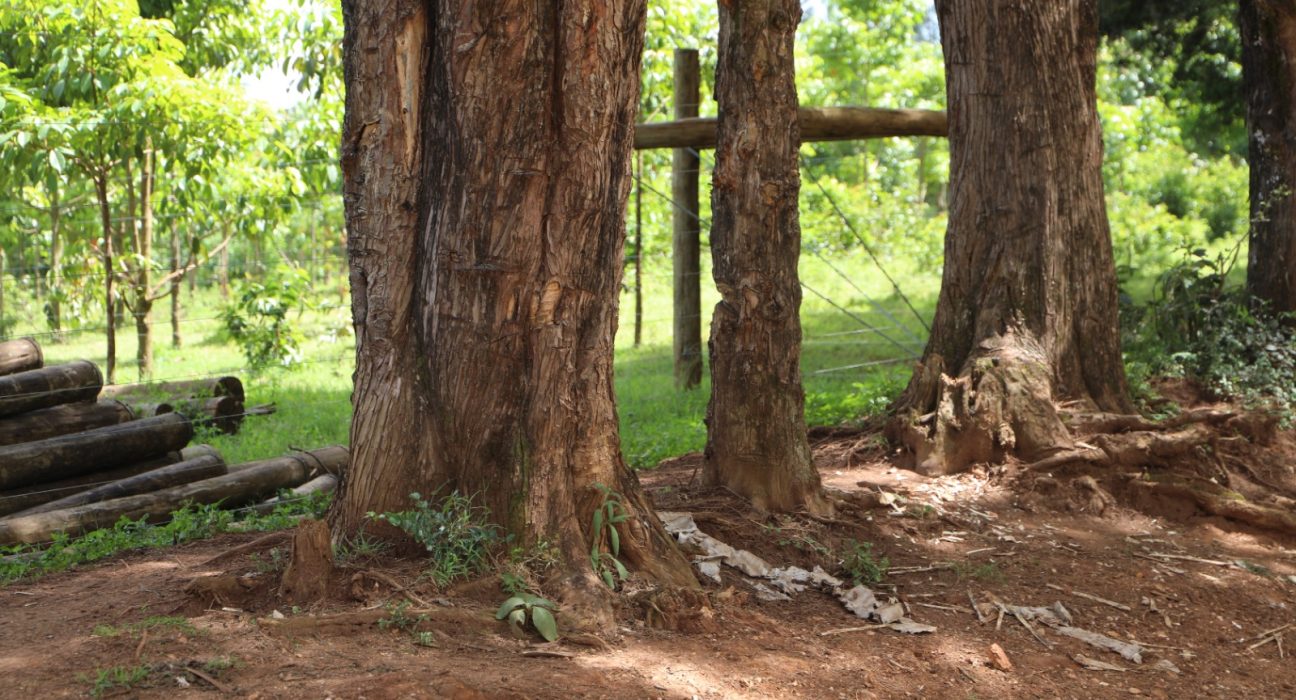
Kakamega Forest, Kenya’s only tropical rainforest, is experiencing a transformative moment. NETFUND and its partners have embarked on an ambitious effort to secure the forest by putting up a 117-km game-proof electrified fence around the forest boundary, implemented in four phases.
Phase 1, covering 15 km, was completed in June 2023, while Phase 2, targeting 34 km, is ongoing, with 21 km completed to date.
For years, Kakamega Forest has suffered degradation, encroachment, and frequent human–wildlife conflicts.
The fencing aims to protect the forest’s fragile ecosystem while creating safer conditions for neighboring communities, reducing conflict and enabling more sustainable, livelihood-supporting activities around the forest.
The initiative, which began in 2023 as the catalytic impact of the FlaRAK Project—an ambitious ecosystem and land restoration effort supported by the Government of Japan through UNDP and NETFUND—has since taken on a life of its own, drawing in a broad coalition of governmental and non-governmental partners including the Kenya Forest Service, the Kenya Wildlife Service, the County Governments of Kakamega and Vihiga, local CFAs, Rhino Ark, and Safaricom, whose combined expertise, resources, and operational capacity have strengthened the project and accelerated progress toward securing the entire forest perimeter.
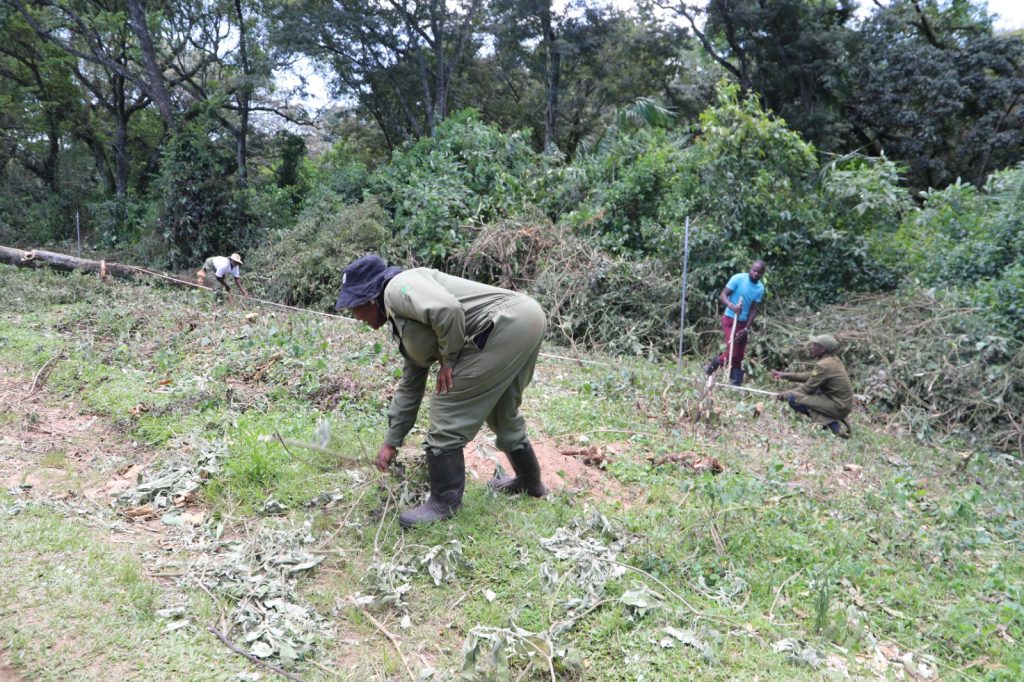
The initiative, which is being implemented in close collaboration with local communities, is already creating impact beyond physical protection of the forest.
Since the fencing project began, tensions over human–wildlife interactions, land encroachment, and community conflicts have significantly reduced, creating safer conditions for both people and the forest.
Ms. Doreen Ambani, a resident living along the forest boundary, attested to this fact, noting that the project has allowed residents to “live safely with the forest, instead of fearing it.”
Ms. Karen Ndiema, KWS Senior Warden Officer at Kakamega National Reserve, highlights the broader conservation impact: “The fencing project is critical for reducing human–wildlife conflict and protecting biodiversity. At the same time, it allows communities to coexist safely with the forest, and we are working closely to ensure they understand their role in safeguarding this ecosystem.”
Indeed, the fencing project is not meant to separate the community from their forest, as Mr. Daniel Mkung, County Forest Conservator, explains, “The whole idea of fencing the forest is not to keep people out completely, but to ensure controlled access.”
The story of Kakamega Forest is not only environmental, it is human. Thanks to improved biodiversity, one community member who has lived along the forest boundary for years has turned to butterfly farming to earn a reliable living.
Across villages bordering the forest, families are beginning to explore eco-friendly ventures such as small-scale beekeeping, nurseries, and indigenous seed collection opportunities that were nearly impossible before the fence. At the same time, the fencing work is providing temporary jobs to many community members.
Anchoring the initiative within the broader framework of climate financing, NETFUND is actively positioning the project for long-term climate finance opportunities, ensuring the forest continues to attract investment for conservation, resilience, and community adaptation.
To make this a reality, NETFUND is engaged in aggressive resource mobilization for the initiative, which requires huge financing.
“Approximately Kes. 300 million is needed to complete the remaining 76 kilometers of fencing, and our goal is to bridge the funding gap and give Kakamega Forest the protection it deserves,” says Mr. Allan Oluoch, Senior Projects Officer at NETFUND.
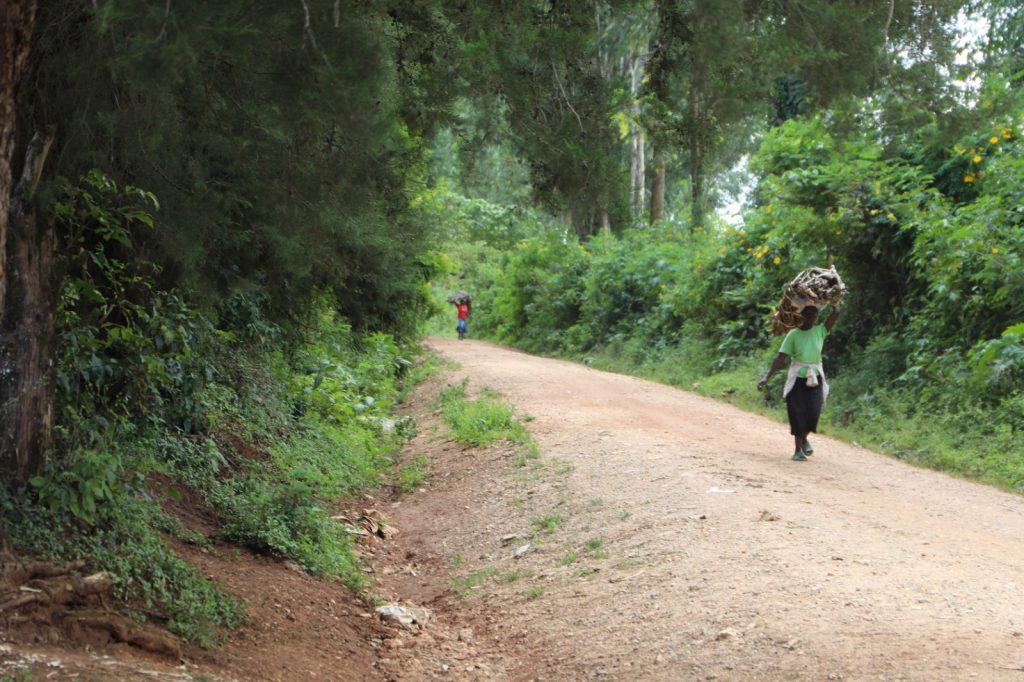
Mr. Mkung concurs: “NETFUND sponsored the 15 km first phase of the fencing from Isecheno to Lurambi and is committed to mobilize resources with the help of partners to ensure the remaining sections are completed.”
Finishing the remaining stretch is critical. A fully fenced Kakamega Forest promises a secure, healthier, more climate-resilient ecosystem for people and landscapes.
Achieving this, however, requires multi-stakeholder and concerted efforts. Every kilometer fenced strengthens the critical ecosystem.
Every partner who steps in brings the goal closer. And for Kakamega Forest, this is more than infrastructure. It is renewal, protection, and resilience.