





Shamberere Poly takes lead in RPL programme for artisans
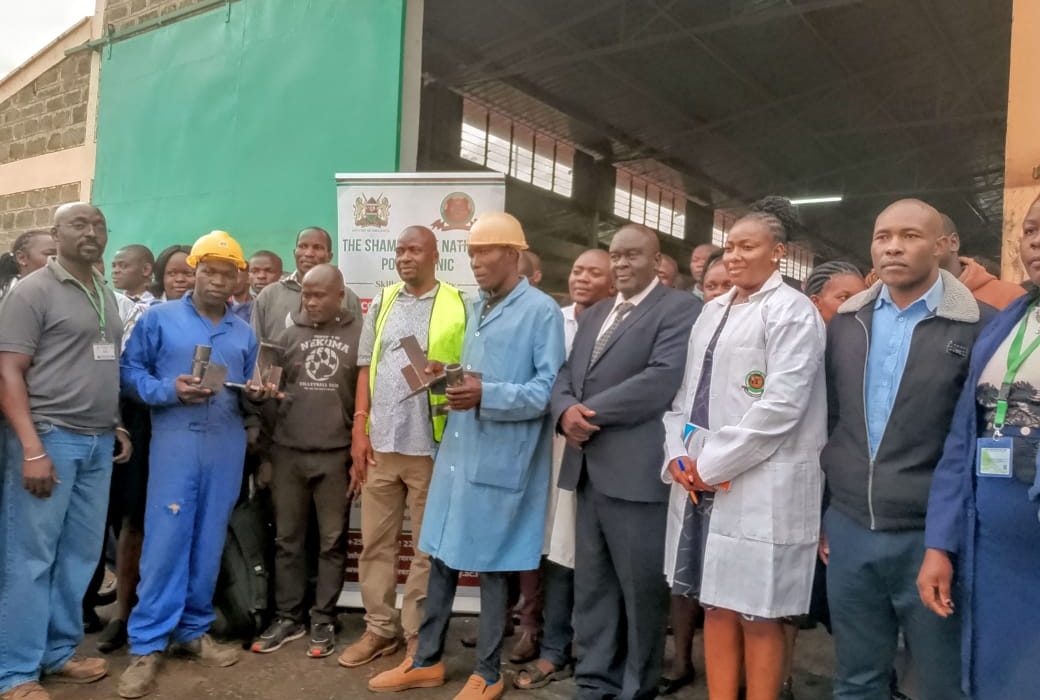
Shamberere National Polytechnic is leading the charge in Kakamega County as Kenya’s nationwide initiative to formally recognize and certify artisans who have acquired their skills informally gets underway.
The government’s Recognition of Prior Learning (RPL) policy, driven by the State Department for Technical and Vocational Education and Training (TVET), has already been launched, with Shamberere National Polytechnic playing a pivotal role in the early stages of the program.
This transformative effort aims to provide over 15 million Kenyans with official recognition for their practical skills, which they have developed through work experience, self-instruction, or informal apprenticeships.
Stanley Maindi, Director of the RPL Delivery Unit, highlighted that the program is designed to integrate these skilled individuals into the formal economy by awarding nationally recognized certificates, thereby boosting their employability and socio-economic status.
Shamberere National Polytechnic has taken a leading role by training hundreds of assessors from TVET institutions across Kakamega County, preparing them for the critical assessment phase.
These assessors will evaluate individuals with proven skills in sectors like the Jua Kali economy—Kenya’s vibrant informal sector of artisans and small-scale entrepreneurs—and help formalize their expertise.
Following their training, assessors will be deployed across the country to identify and evaluate skilled workers who lack formal certification.
The goal is to validate their practical competencies, opening pathways to formal employment, promotions, and increased income.
The initiative is also expected to elevate service standards and foster professionalism within the informal sector, contributing to broader economic growth.
Elisha Nyamu, Principal of Shamberere National Polytechnic, commended the government’s decision to include his institution in this groundbreaking project.
He urged local skilled workers to take advantage of this unique opportunity, emphasizing that official certification can significantly enhance their employment prospects and career advancement.
Nyamu reaffirmed the Polytechnic’s commitment to supporting this national effort by equipping assessors and facilitating the certification process.
Artisans who have acquired their trade skills informally but lack official certification now have the chance to obtain recognised qualifications through selected technical training institutions.
This follows the government’s implementation of the Recognition of Prior Learning (RPL) policy, spearheaded by the State Department for Technical and Vocational Education and Training (TVET).
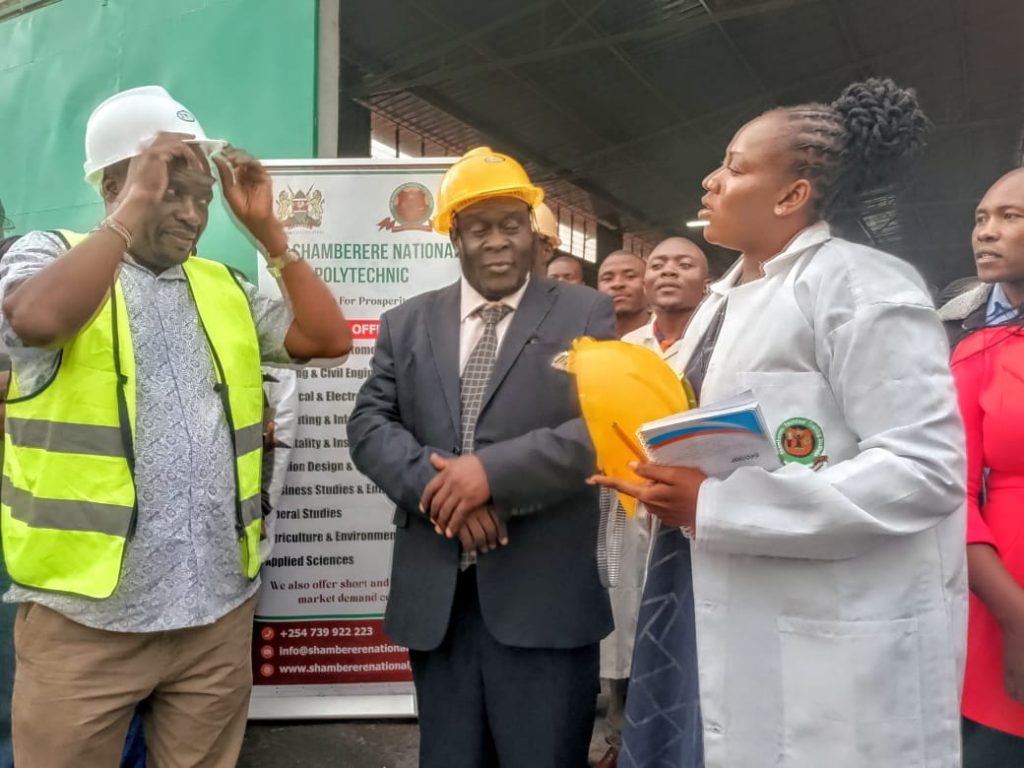
RPL is a globally acknowledged framework that enables individuals to gain formal recognition for skills and competencies acquired outside the conventional classroom setting, whether through work experience, self-instruction, or informal apprenticeships
Artisans who have acquired their trade skills informally but lack official certification now have the chance to obtain recognised qualifications through selected technical training institutions.
This follows the government’s implementation of the Recognition of Prior Learning (RPL) policy, spearheaded by the State Department for Technical and Vocational Education and Training (TVET).
RPL is a globally acknowledged framework that enables individuals to gain formal recognition for skills and competencies acquired outside the conventional classroom setting, whether through work experience, self-instruction, or informal apprenticeships
According to Stanley Maindi, Director of the RPL Delivery Unit, the initiative seeks to award nationally recognised certificates to over 15 million Kenyans who have acquired practical skills through informal means.
Speaking after launching the project in Shamberere Natioanl Polytechnic Maindi alluded that hundreds of trainers from TVET institutions in Kakamega form a crucial part of the preparatory phase for the nationwide rollout of the RPL programme.
Once training is complete, the certified assessors will be deployed across the country to identify and evaluate individuals with proven skills in the Jua Kali economy.
This effort is expected to boost employability, enhance quality standards in service delivery, and uplift the socio-economic status of skilled but uncertified workers.