


A Look at Luhya Unity through the prism of tribalism
His eyes twitched as his face broke into a smile. He listened keenly then squeezed his wet face towel before wiping streams of sweat pouring down his brow.

While adjusting the towel around his waist, he said almost in a whisper: “What you are saying is frightening. There is so much unsaid about Kenya’s real history.”
I was having a steam and sauna moment with my fitness and wellness buddy at a private members club when the story of Nairobi Senator Edwin Sifuna’s wave in western Kenya and the elusive Luhya unity popped up.
Our conversation weaved into Kenya’s history, political and economic injustices, and the determination by the ruling elite to ensure certain communities ‘remained in abject poverty’
My friend, a wealthy businessman from Kiambu County said that a few billionaire businessmen from central Kenya shudder at the thought of the Luhya waking up from political slumber.
I started taking a keen interest in the untold political and cultural stories of Kenya in 2001. Former Cabinet Minister Dr. Julius Gikonyo Kiano had commissioned me to write his memoir. I have since interacted enough with elders, politicians, clergy, scholars, and researchers to know that Kenyan politics is deeply spiritual.
Kenya’s economic and political power is dipped in secrecy, prayers and blood rituals. Since the Mau Mau warfare, to the Mwai Kibaki and Uhuru Kenyatta presidencies, elders from various communities have eaten meat and taken vows on controlling the country’s leadership.
The 1969 secret and forced political rituals in central Kenya held the country in a spiritual grip for decades. The oathing was designed to keep the presidency within central Kenya and ensure opposition leader Jaramogi Oginga Odinga stayed far from national leadership.
Sadly, Odinga had turned down an opportunity from the colonialists to short-change Jomo Kenyatta and become Kenya’s first Prime Minister. Jaramogi insisted that Kenyatta must be released from prison to take over the Presidency.
However, after the July 5 1969 assassination of cabinet minister Tom Mboya, members of Kenyatta’s inner circle orchestrated an oathing ritual to unite the Gikuyu, Embu and Meru communities ahead of the December 1969 general elections. They vowed that the presidency would never leave Kiambu.
As the health of Mzee Kenyatta deteriorated, a powerful Kiambu cabal initiated vicious campaigns to block Vice President Daniel arap Moi from ascending to power. The constitution provided for a 90 day acting period by the Vice President, if the president died, before calling for an election.
The anti-Moi Change the Constitution Campaigns failed and Moi took oath of office after Kenyatta’s death in August 1978. Moi ruled for 24 years, then before leaving office, he insisted that only Uhuru Muigai Kenyatta, Jomo Kenyatta’s son, was qualified to step into his shoes.
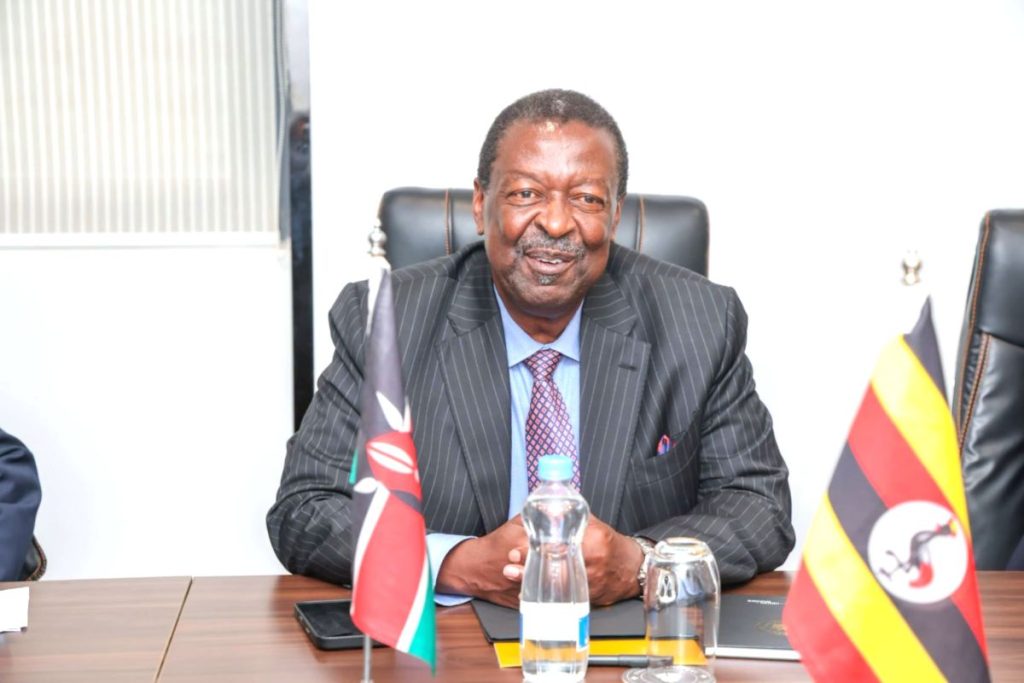
His 2002 choice of Uhuru shocked the Kenya African National Union (Kanu) leadership. When Kanu leaders started decamping to the opposition, Moi appointed Musalia Mudavadi his deputy making him for a few days, enjoy being the first son of Abaluhya to be Kenya’s Vice President.
Moi’s protégé Uhuru Kenyatta never made it in 2002, but Moi retired smiling because Uhuru’s godfather Mwai Kibaki would for 10 years hold brief for the owners of power. Although the presidency had slipped out of Kiambu, it remained within the Gikuyu.
I used to wonder why Moi dumped experienced Kanu leaders such as; Kalonzo Musyoka and Professor George Saitoti. The answer lay in a secret meat covenant between Moi and Jomo Kenyatta.
My wealthy sauna friend told me: that a fortnight before his demise: “Mzee Jomo Kenyatta had just officiated an important meeting in Nakuru when he asked Moi ‘do you have a goat?’ Moi responded in the affirmative. Jomo then told him, ‘slaughter it we eat together.”
“Moi quickly organised for the slaughter of two goats. The President and his Deputy were then driven to an isolated area and with Moi carrying the meat inside a basket they alighted and entered deep inside the bush. Not even their bodyguards were allowed to accompany them. After hours they, emerged holding hands,” says my friend.
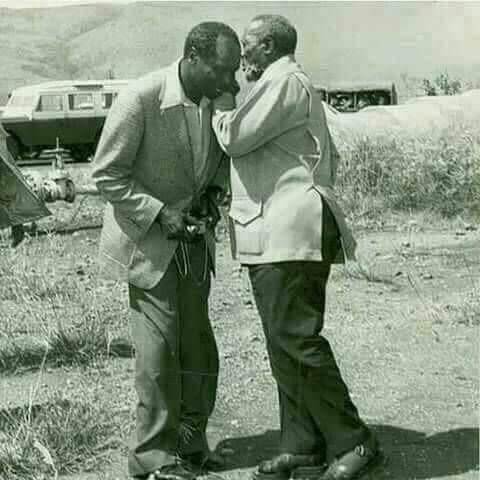
Former head of civil service Geoffrey Kariithi confirms this in his memoir Cool Under Fire. Kariithi says that after a function near Lake Nakuru, Kenyatta: “turned to Moi and asked him: “Do you have a goat?” “Yes Sir, I have a goat” Moi answered. “Go and bring one to State House and chinja it so we can eat together.”
Kariithi says that Moi came back with two goats. “One of the goats was slaughtered and roasted. Moi and Kenyatta went into the bush and ate the meat together. They spend quite some time in that bush. I have no idea what they discussed and why Mzee insisted that they share meat despite the fact that they had already had lunch. Whatever deliberations the two had inside that bush remained their own secret.”
A few days after the meat in the bush, Kenyatta died. Kariithi quickly mobilised the cabinet and Moi was sworn in as Kenya’s second Head of State. Moi firmly protected the Kenyatta’s and ensured he handed power back to them.
“The meat explains Moi’s determination to ensure Uhuru Kenyatta stepped into his shoes. That was a meat covenant he had entered into with his departing boss. Covenants and oaths are deeply spiritual and can be either for good or evil” says Sociologist and preacher Bernard Jakait.
The few Kikuyu elders I interacted with say that oaths are carriers of life and death. Once you have taken it, you will go with it to your grave.
Some Kikuyu elite, including former deputy president Rigathi Gachagua, believe that the community holds sway on who becomes President of the Republic of Kenya. Gachagua spouts that it is the Gikuyu who have a right to the country’s Presidency.
Among the elders I interviewed is Mzee Samuel Kamitha a cultural anthropologist who teaches about Gikuyu traditions, history and spirituality.
My journey with Mzee Kamitha started with Kiano’s book assignment. I was handling Kiano’s dream to establish a university based on indigenous and esoteric knowledge around Mount Kenya.
“Mount Kenya does not belong to the Agikuyu. We are mere custodians of a mountain that holds secrets for the African continent. The Caucasian race spends millions of dollars daily circling Mount Kenya with satellite technology in search of the Ark of the Covenant which they believe is buried there” Mzee Kamitha once told me
During a lunch session we held at Nairobi’s Hotel Boulevard, Mzee Kamitha said that: ”Mount Kenya is symbolically so powerful that even Egyptians send pilgrimages there every year because they believe that, Isis, their goddess of magic, healing, motherhood and fertility sits there”
Many Kikuyu’s still give thanks to Mwene-Nyaga, or Ngai (God). Jomo Kenyatta, in his book My people of Kikuyu, vividly captures part of the prayer to Mwene-Nyaga: “We pledge to you O Mwene-Nyaga, that we shall not sit idle and let anyone snatch away what you promised to our forefathers, to be our children’s birth right forever.”
Today, many Agikuyu, among them Christian leaders, are walking back to Mwene-Nyaga. During my talks with Kamitha and other Kikuyu elders, concerns were raised over frequency of falling Mugumo trees.
“These falls signify the end of an era. Power has left the mountain” one elder told me. At the time of our interview in 2017, Busia Senator Okiya Omtatah had taken the Central Bank to court to initiate the removal of the image of Mzee Jomo Kenyatta from the Kenyan currency.
In 2018, exactly 40 years after the demise of Mzee Kenyatta, Omtatah’s plea was addressed. Another generational change was taking place.
The ‘owners of Kenya’ had carefully prepared their eternal stay in power with powerful families sharing the national cake as other Kenyans watched from a distance.
Derogative dismissal of Luhyas by former Kanu boss Joseph Kamotho as “mere watchmen and maids” began making sense.
These watchmen and maids have grown into a formidable voting base. Millions teem every corner of Kenya, from major cities, to irrigation schemes such as the Tana River delta, offering labour in homes, coffee and tea plantations.
My friend told me: “You know, 90 per cent of the workforce on my farms, homes and businesses is Luhya. The strength, energy and efficiency they offer are equal to none. Some of us, feel safer when the Luhya’s keep our title deeds and financial secrets for us. We trust them more than our own entitled children”
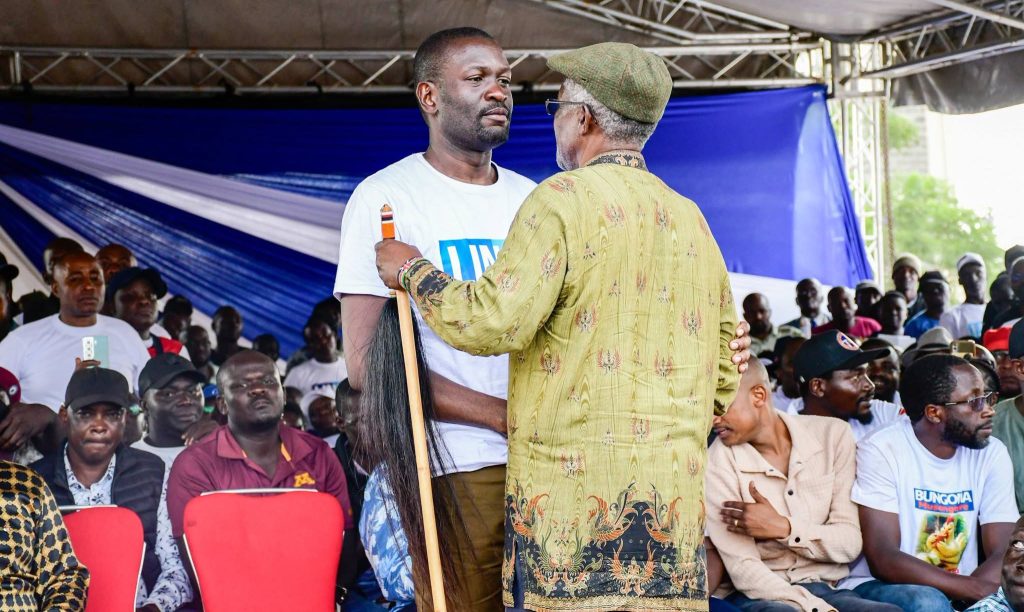
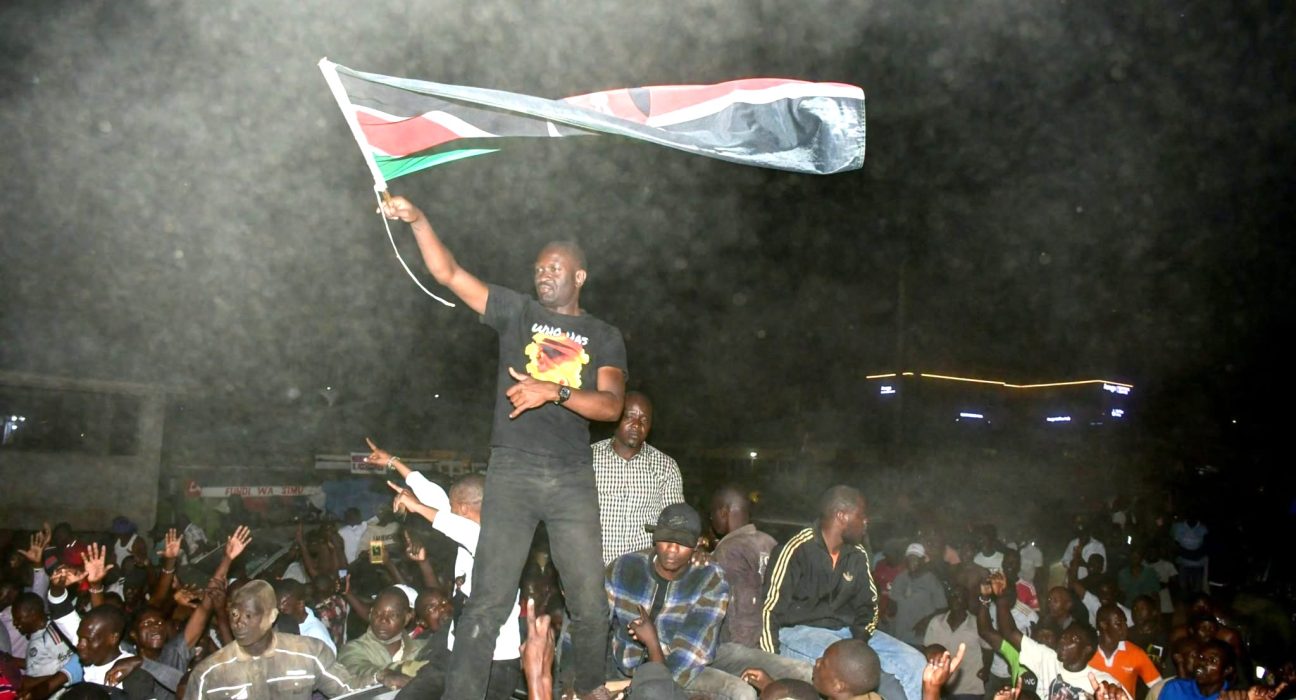
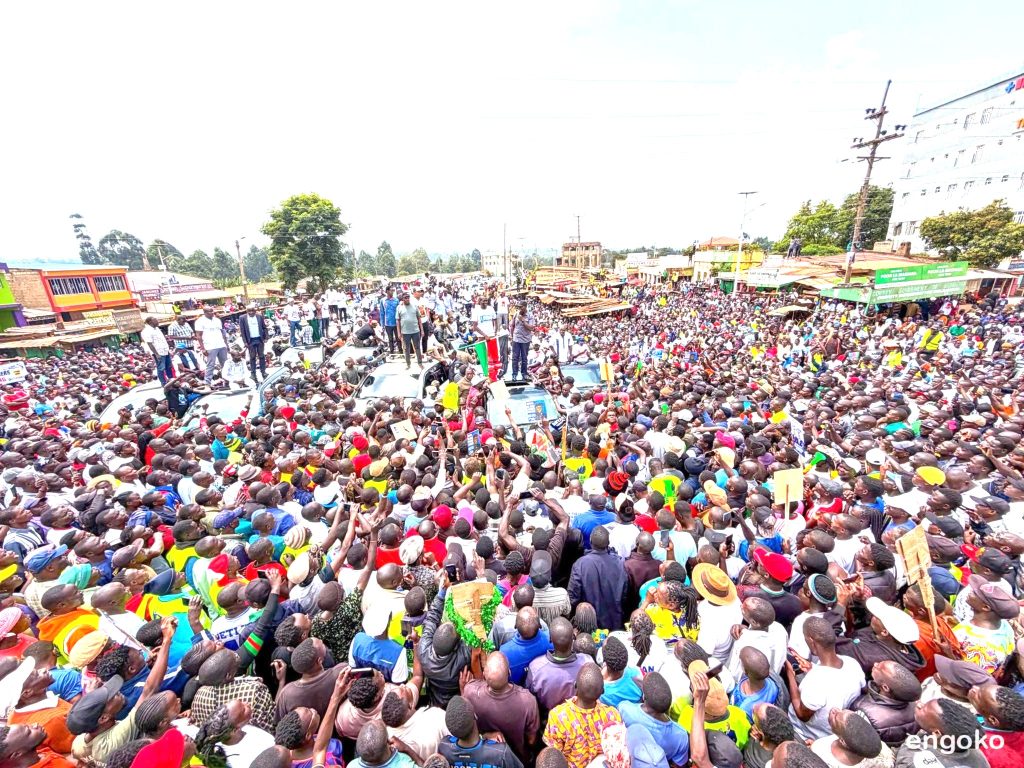
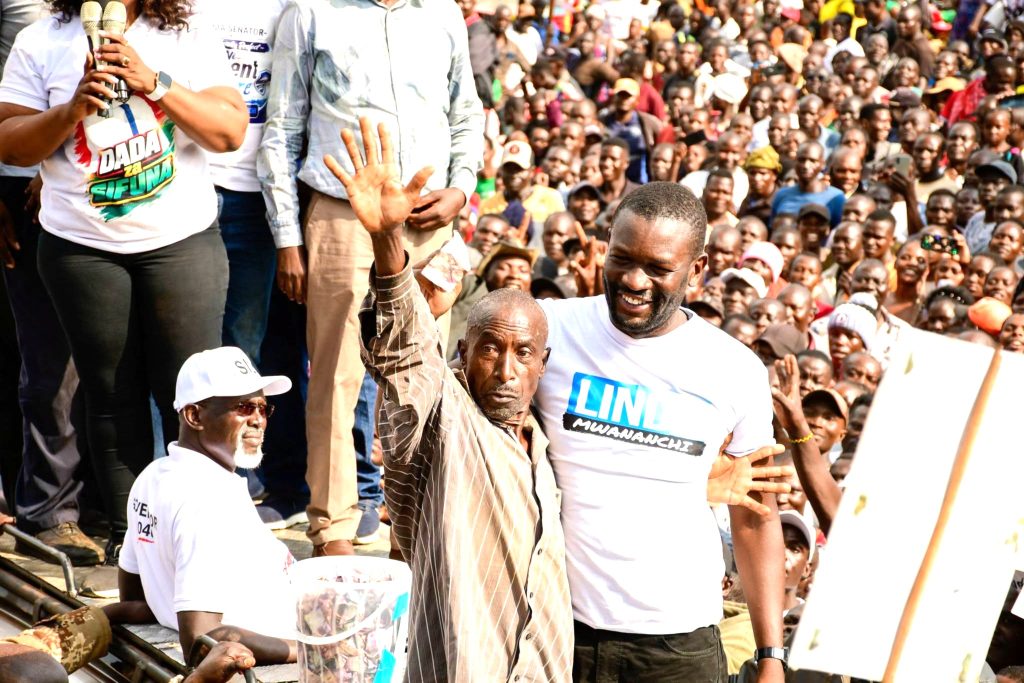
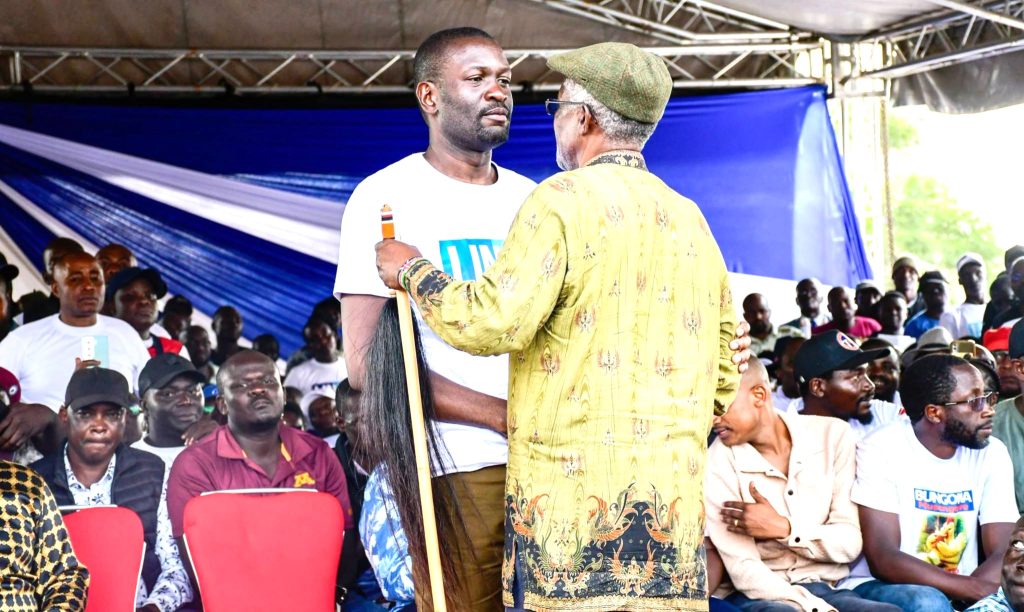
The excitement among the youthful supporters who turned out at Senator Sinufa’s rallies in Bungoma ignited the debate of the elusive Luhya unity.
In the 1960s, some Luhya leaders mobilised the community to acquire property and invest in land. They knew political power required resources. They held meetings in Nairobi’s Eastland’s to explain investment opportunities in the land being vacated by White settlers.
“Masinde Muliro, Senator William Wamalwa (Wamalwa Kijana’s father), Pius Gumo and others mobilised Abaluhya to buy Mzungu farms in Trans Nzoia” recalls media veteran John Khakhudu Agunda.
Tribalism, stewed in greed and served on a plate of corruption pushed Kenya to the cliff with a demonic cabal enslaving millions. Today, they control all key sectors of the economy including; agriculture, finance, energy, health, real estate, transportation, hospitality, gambling, and even crime.
In his book; Kenya; A History since independence; Charles Hornsby traces the damage of tribalism and corruption. He says: “Kenya has failed to make a transition to a new model of economic development or a higher level of material benefit for its people.”
Departing colonialists made Kenya a strategic partner with the Kenyatta government receiving millions of dollars to compensate those who lost land to Wazungu. The Kiambu group gobbled land in; Western Kenya, the Rift Valley, Nairobi and the Coast while driving thousands of the landless to occupy land belonging to other communities.
By the time Moi took over power, says Hornsby, the Kikuyu had already eaten most of the “fruits of Uhuru”. Moi had to reinvent the eating process and techniques. Moi’s 24 year ‘pastoralist’ era was replaced by Kibaki’s Mount Kenya (Kikuyu, Embu, Meru), era. Kibaki’s regime became a Mount Kenya Centred government perpetuating what Michela Wrong calls; Our Turn to EAT.
Hornsby says that, the killing of Tom Mboya in 1969:“speeded Kenya’s move towards rule by a Kikuyu Oligarchy, political and economic decay” while, Moi’s take over: “Shifted Kenya onto ‘a trajectory of ethnic tension and resource redistribution’”
The failed 1982 coup led Kenya on a: “path of Kalenjin led authoritarianism.” Moi locked out key members of the Kikuyu oligarchy from the political kitchen, but after he left the scene, the Kikuyu leadership sabotaged the Constitution review process at the Bomas of Kenya with John Michuki, a powerful minister saying that with Moi out of power, the agitation for the new Constitution was no longer necessary.
Hornsby says that the Kenyan elite control both wealth and power. He emphasizes that “The same families appear to run the country and the same arguments over land, ethnicity, presidential authority, corruption and foreign intervention seem to continue decade after decade”
Hornsby argues that: the struggle for power and resources coalesced into a three way cleavage, epitomized by three ethnic groups; the Kikuyu, Luo and Kalenjin.
“The first two decades of independence saw the incorporation (on junior terms), of the Kalenjin into Kenyatta’s Kikuyu centred alliance and the gradual marginalisation of the Luo, alongside the embedding of a series of advantages for the Kikuyu community.”
My wealthy friend smiles and says: “believe me my brother, many of our leaders live in dreadful fear of a Luhya unity, and more so if that unity is dressed in anti-Kikuyu sentiments.”
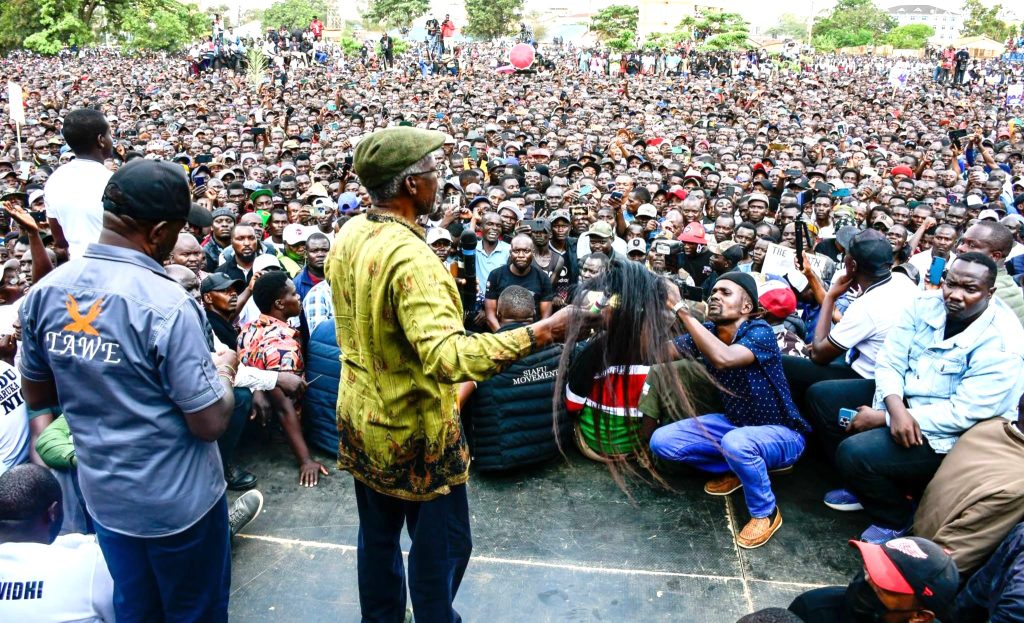
Obed Simiyu, a Journalist and political analyst argues that, the fear of Sifuna is fuelled by the fact that he: “has aroused the Luhya spirit of ‘mulembe’ (peace/unity), which has been elusive since the days of the late Kijana Wamalwa. Sifuna has, managed to tickle the conscience of the mulembe nation”
Obed argues that that the wave has awoken political veterans such as; Fred Gumo, Musikari Kombo, Joash Wamang’oli, Moody Awori, Amos Wako, Dr Noah Wekesa, Dr Mukhisa Kituyi, and Bifwoli Wakoli. Youthful political aspirants and established politicians like Kakamega Senator Boni Khalwale, and Trans Nzoia Governor George Natembeya have thrown their weight behind Sifuna.
While in prison, I met hundreds of youth who had chosen the lustful path of greed. Many had turned into pathological liars, armed robbers and incorrigible Obtainers. Rigathi Gachagua boastfully stated that youth from his community were the majority in prisons.
“I’m proud of our watchmen and maids status. God in his wisdom is preserving an army to remain morally upright.” I told my friend.
He lowered his gaze and whispered: “My brother, some of us need a complete reset on our purpose on earth and the true meaning of life”
Attempts to unite the Luhya have failed in the past. Masinde Muliro had the charisma and ability to do so. However, he blundered when he publicised his trip to London to meet former police officer Wajackoyah who had crucial information on the 1990 assassination of Dr Robert Ouko.
Muliro collapsed at the Jomo Kenyatta International airport upon his return. Special Branch officers who were waiting for him at the immigration took off with his briefcase.
I interviewed Prof. Athur Obel soon after Muliro’s death and he said: “Eliminating Muliro was scientifically possible. He had a heart pacer. All the killers needed was, during inoculation, inject him with terminator drug which could be activated mid-air but would go into effect once he touched the ground and his heart would stop”
At his burial, Moi was greeted with hostility. Elders were furious at the speed with which he was buried without an autopsy.
Then came Wamalwa Kijana, who wrestled Ford Kenya from Raila Odinga in his grand march to State House. “Moi doesn’t sleep. He sees Wamalwa and the Opposition in every bush” Wamalwa told thousands of his frenzied followers at rallies
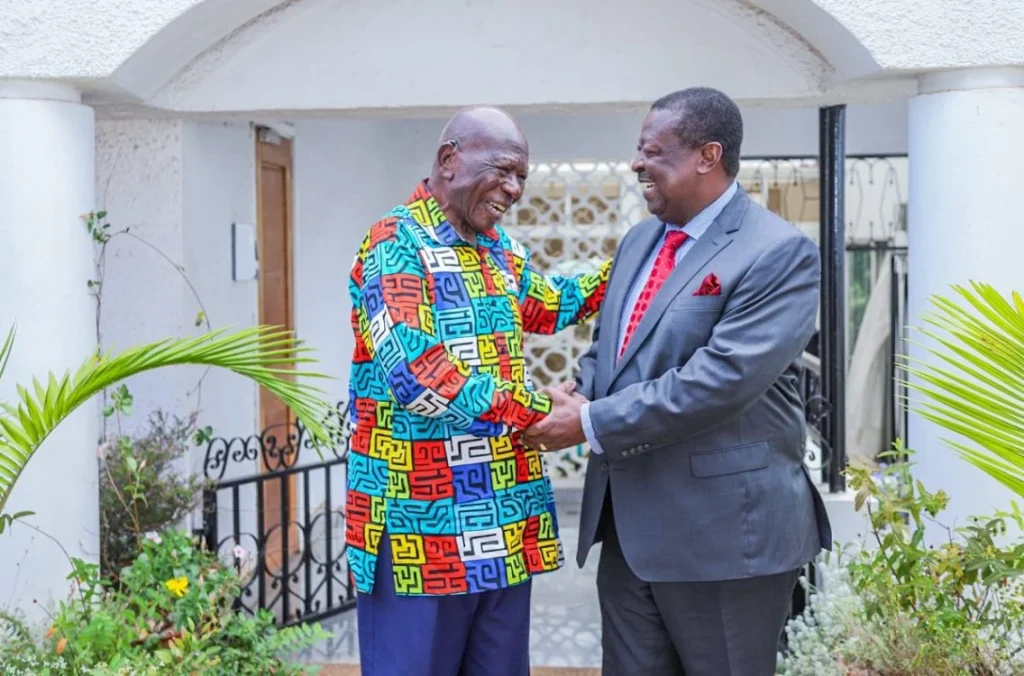
Wamalwa died as the second Luhya Vice President putting on hold the Luhya unity. Moody Awori who became the third Luhya Vice President focused his gaze on his ministerial docket.
Moses Mudamba Mudavadi, Musalia’s father is perhaps the only Luhya leader who wielded real political power. He would publicly tell his distractors to “let Moi and Mudavadi rule Kenya”. He unapologetically employed Luhyas in all ministries he ran.
History scholar, Peter Kagwanja has dismissed the Sifuna wave: “Kenya is not a banana republic. Sifuna cannot run a country. What else had he handled apart from the Senate and his law office? ” Kagwanja says that the Sifuna wave will pass.
When my friend and I finally parted, we agreed that Kenya belongs to all its communities, who must work and live together with justice as our shield and defender.