
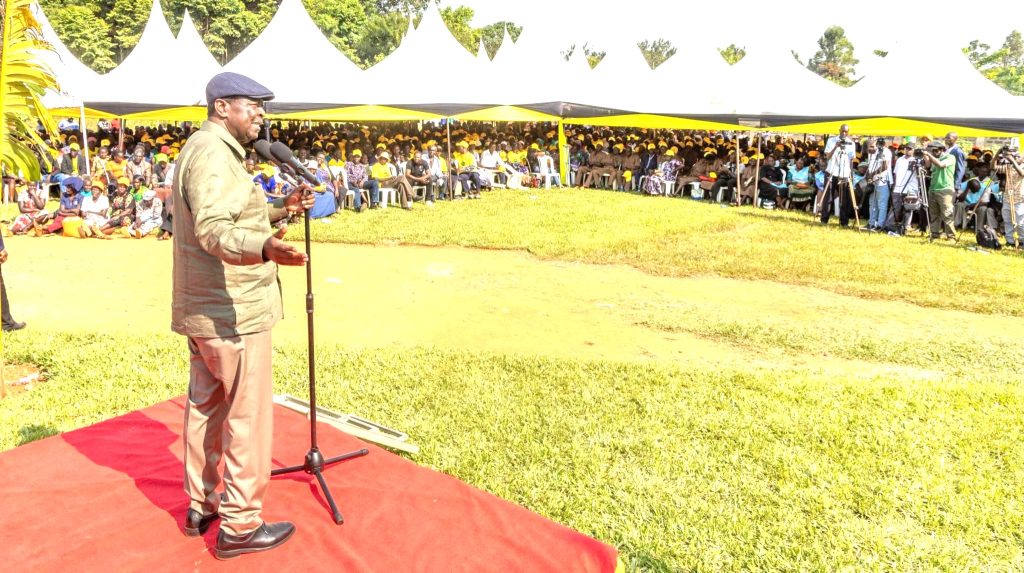
Loudly and unmistakably: Ndakwa triumph proves Mudavadi still rules the game in western

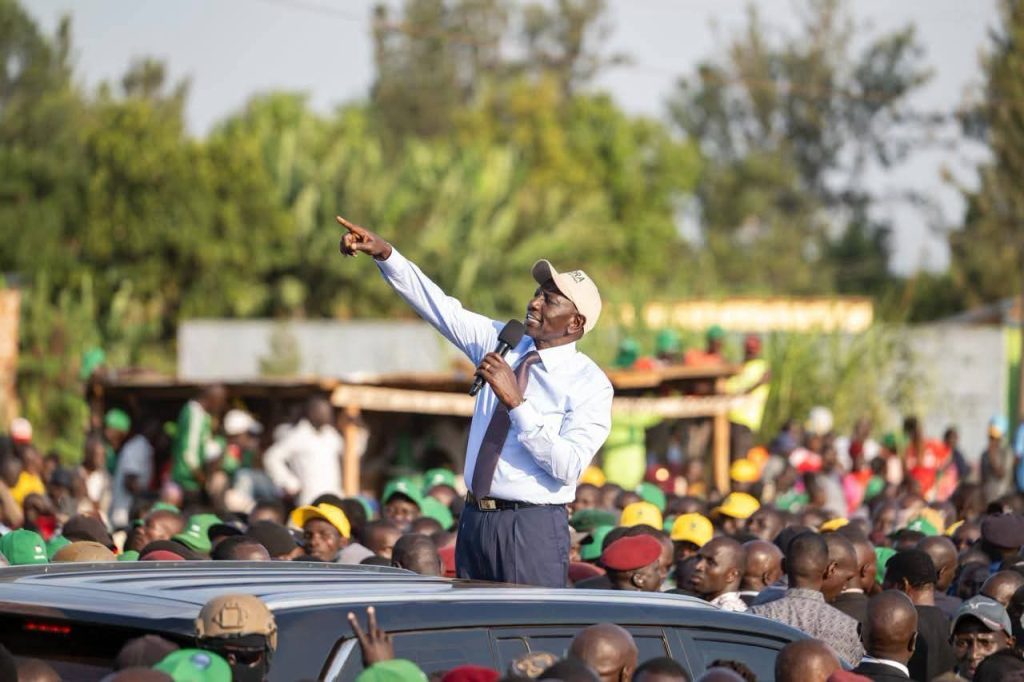
The political ground in Western Kenya shifted sharply on Thursday, November 27 night after United Democratic Alliance (UDA’s) David Ndakwa swept the Malava by-election.
But beyond the celebration, the outcome delivered a far bigger message directed straight at those who doubted Prime Cabinet Secretary Musalia Mudavadi’s political instincts and influence.
Ndakwa’s victory confirmed that Mudavadi understood the political mood far better than many believed.
“Your victory reflects the growing confidence the people of Western continue to place in the Kenya Kwanza administration led by President William Samoei Ruto and offers an early glimpse into the political mood ahead of the 2027 elections,” Mudavadi told Ndakwa in his congratulatory message.
His calculations have proven accurate, and the results have ultimately silenced those who argued he had blundered.
For months, critics questioned Mudavadi’s choice to dissolve his Amani National Congress (ANC) and fold it and later merge with President William Ruto’s United Democratic Alliance (UDA), dismissing the move as reckless and self destroying.
But as the ballots were counted, it became clear that Mudavadi had read the terrain with remarkable clarity.
The victory didn’t just flip a seat but it reaffirmed his command over Western Kenya’s shifting political winds.
And as if Malava wasn’t enough, the setback suffered by Moses Wetang’ula’s FORD–Kenya candidate in Kabuchai sealed the night and debate.
It left Mudavadi standing as the region’s most strategic and influential political player and whose approach is delivering results where others are stumbling.
“My gratitude goes to everyone who contributed to this campaign in any capacity. Your dedication, energy, and commitment were instrumental in driving this journey forward. It’s a powerful reminder that the loudest voices don’t always carry the day, real strength lies with the silent majority, who quietly but firmly shape the future at the ballot. Kufinish Kumalo, It is!” Mudavadi said after Ndakwa’s win.
No group felt the jolt more than Mudavadi’s loudest rivals including Governor George Natembeya, DCP deputy party leader Cleophas Malalah, Kakamega Senator Dr Boni Khalwale and former Interior Cabinet Secretary Eugene Wamalwa, and others who had made him a target in rally after rally.
For months, they repeatedly invoked his name, using him as a political punching bag instead of offering meaningful plans for the region and their disjointed United Opposition outfit.
Malava has now served them a blunt warning: criticizing Mudavadi is not a development agenda: Voters want leaders who deliver, not leaders who rage. They want tangible work, not endless speeches filled with political theatrics.
The back-to-back wins in his home turf have reset Mudavadi’s political trajectory with the notion that he had lost influence now silenced.
The doubts about his strategy have faded. And the Western voting bloc which had been for long fractured now seems to be slowly coalescing around him again.
As the country begins its slow pivot toward the 2027 General Elections, Mudavadi has re-emerged as a central figure whose relevance can no longer be questioned.
His moves are landing. His alliances are bearing fruit. And his political momentum is accelerating at the very moment critics expected him to fade.
As the dust settles in Malava and Kabuchai, one reality stands out: Musalia Mudavadi has reclaimed his place at the heart of Western Kenya’s political future loudly, and unmistakably.