



Clarify foreign traders directive, Kabuchai MP tells Ruto, warns against xenophobia
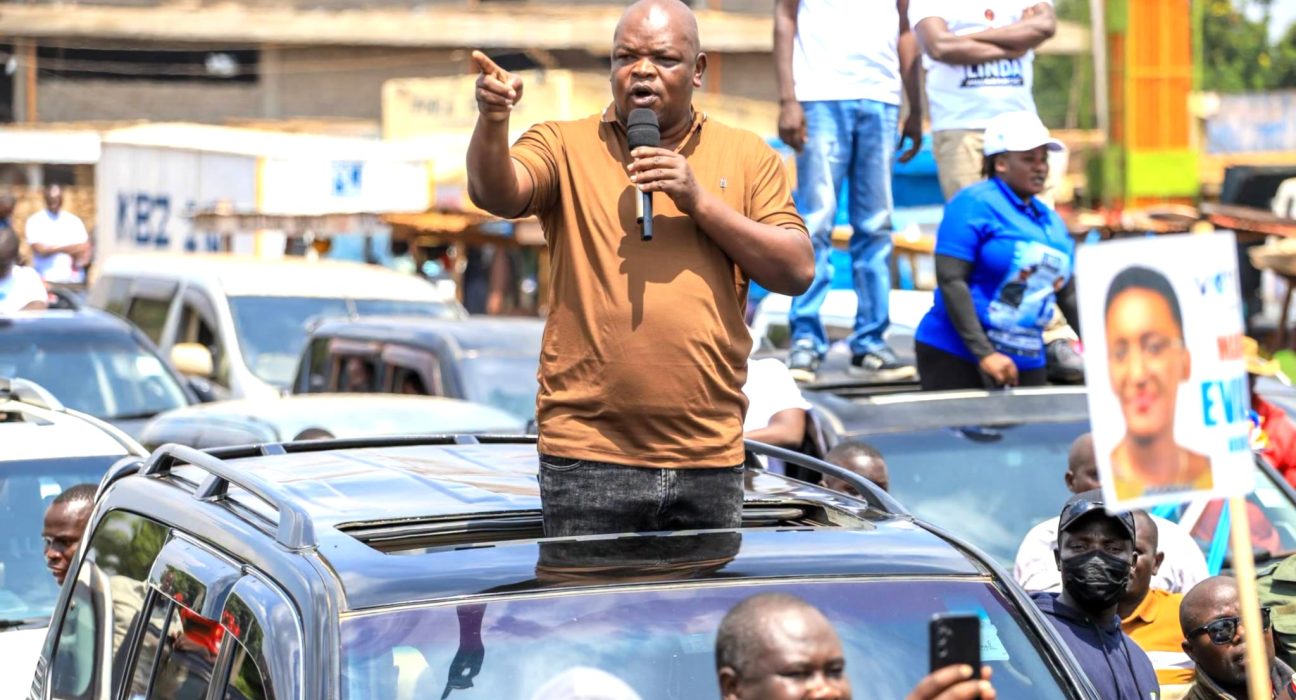
Kabuchai MP Majimbo Kalasinga has urged President William Ruto’s administration to clarify its directive and public pronouncements on foreign nationals operating small-scale businesses in Kenya, warning that the manner in which the issue is handled could fuel xenophobia and expose Kenyans living and working abroad to retaliation.
Kalasinga, who is also a Member of the Pan African Parliament, said Kenya had a legitimate right to regulate immigration, employment and business activities, as well as protect local traders from unfair competition.
However, he said enforcement must be lawful, orderly and humane, insisting that foreign nationals should not be subjected to harassment, collective punishment or mob action simply because of their nationality.
“Government must enforce the law based on individual conduct and legal status, not nationality,” Kalasinga said.
He argued that there was a fundamental difference between a properly documented foreign national lawfully operating a business and one who had entered or remained in Kenya unlawfully or was operating without the required permits.
According to the MP, those found to have violated Kenyan laws should face investigation and due process, while those legally resident and operating licensed businesses should have their rights and security protected.
Kalasinga also questioned how undocumented foreign nationals or those operating businesses without the required licences were able to enter or remain in the country for extended periods without government intervention.
He challenged the administration to explain who was responsible for border security, immigration control, verification of documentation, work permits and enforcement of business regulations.
“It is irresponsible for government to allow a regulatory problem to grow and then suddenly portray itself as the solution without first addressing the institutional failures that created or permitted that problem,” he said.
The MP said officials who may have facilitated illegal entry or knowingly allowed foreigners to operate unlawfully should also be investigated and held accountable.
While supporting measures to protect Kenyan small businesses, Kalasinga said traders faced several challenges, including taxation, high operating costs, limited access to affordable credit and intense competition.
He cautioned against presenting foreign traders as the main cause of the economic difficulties facing Kenyan businesses.
“Protecting Kenyan businesses must not become a pretext for treating all foreign traders as criminals or economic enemies,” he said.
Kalasinga further expressed concern over reports of attacks and hostility towards foreign nationals following the recent public debate, warning that immigration enforcement must not degenerate into mob justice.
He called on security agencies to protect every person and their property, regardless of nationality, and urged authorities to ensure that those who violate the law are dealt with through established legal processes.
The MP also warned that Kenya’s handling of foreign nationals could have implications for Kenyans living and conducting businesses in other countries.
“As Africans, we must build bridges, not walls,” he said.
As a member of the Pan African Parliament, Kalasinga said he viewed the matter beyond domestic politics, arguing that Africa’s push for greater integration, regional trade and freedom of movement required cooperation rather than suspicion between citizens of different countries.
He particularly pointed to the East African Community, saying Kenya should demonstrate how a responsible African government could protect its citizens while respecting other Africans.
Kalasinga also invoked the values of compassion and hospitality repeatedly emphasised by President Ruto, saying the enforcement of immigration and business laws should not come at the expense of human dignity.
He called on the President to publicly clarify that the government’s measures target unlawful immigration and unauthorised business activities rather than foreigners as a group.
Among his other demands, Kalasinga wants the government to protect properly documented foreign nationals, conduct a comprehensive audit of immigration and border controls, and investigate officials whose failures or corruption may have allowed immigration and business regulations to be breached.
He also called for an immediate halt to attacks and mob justice, alongside a clear and humane compliance process for people found without proper documentation.
Where legally possible, he said, affected individuals should be given an opportunity to regularise their status, while those required to leave Kenya should be allowed to do so through an orderly process.
The MP further urged the government to engage neighbouring countries through diplomatic channels, particularly the East African Community, to prevent unnecessary tensions and protect Kenyans living and working across the region.
He said the government should also address the underlying challenges facing Kenyan traders, including access to finance, taxation, licensing, market access and the high cost of doing business.
“The government must accept responsibility for the weaknesses in its own systems. Do not punish people for the failures of the system. Fix the system,” Kalasinga said.
He maintained that Kenya could protect its traders and enforce its laws without abandoning the principles of the Constitution, the rule of law and human dignity.
“If foreigners are breaking Kenyan law, identify them and deal with them according to the law,” he said, adding that officials who facilitated or ignored such violations should equally be held accountable.