



Environment CS Deborah Barasa sounds alarm as Kakamega forest faces double threats
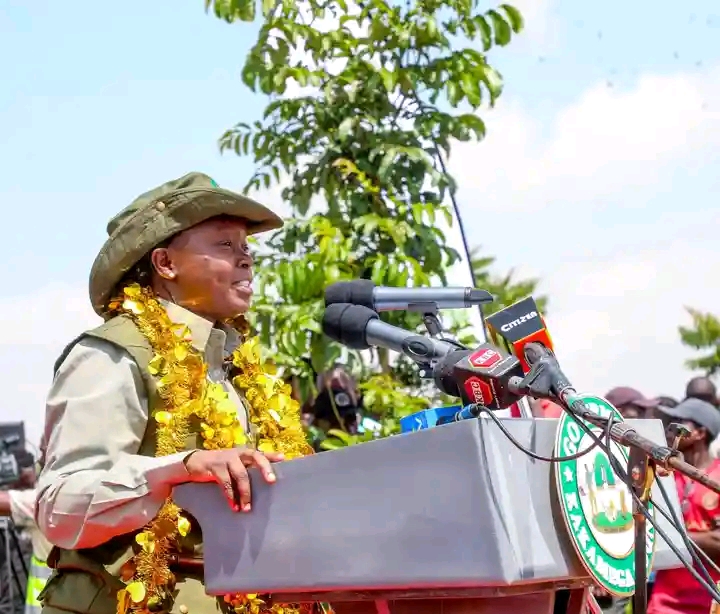
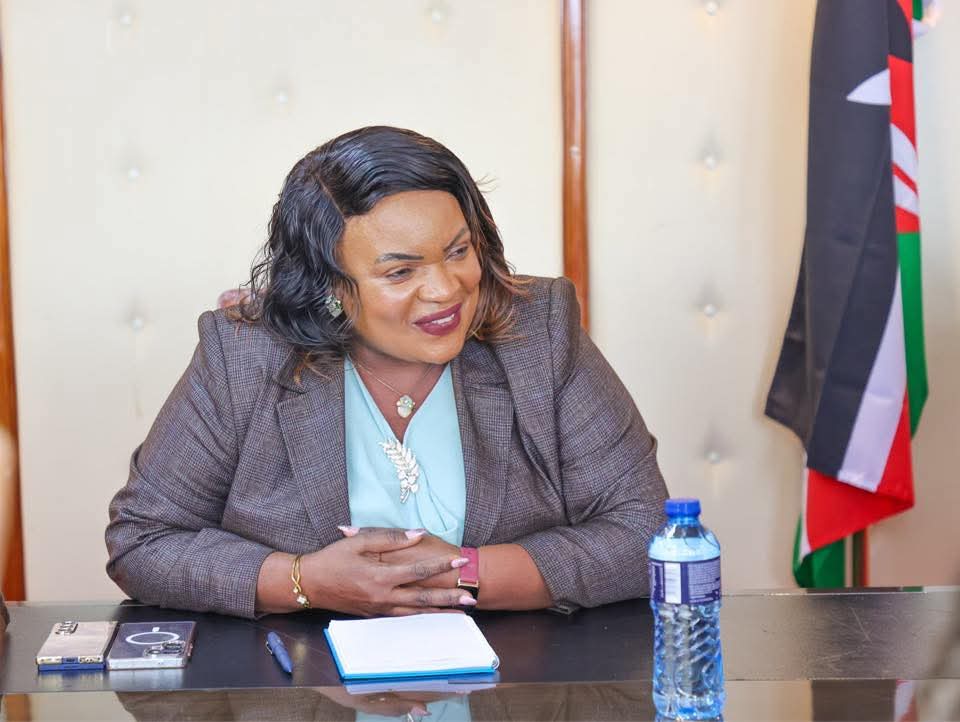
The Cabinet Secretary for Environment, Climate Change and Forestry Deborah Mulongo Barasa has sounded the alarm over the rapid destruction of Kakamega Forest, warning that illegal logging, charcoal burning, encroachment and climate change are pushing Kenya’s only tropical rainforest to the brink.
Speaking during national celebrations to mark World Rainforest Day at Lianugu Forest Block on Monday, Dr. Barasa said the government has policies and strategies in place, but enforcement and community action remain weak. She urged forestry officers across the country to be accountable and step up protection of vital ecosystems.
“The protection of our forests is a collective responsibility. Forestry officers must ensure that existing laws are enforced while communities embrace conservation efforts for the benefit of future generations,” Dr. Barasa said.
She challenged Kenyans to back President William Ruto’s ambitious target of planting 15 billion trees by 2032. But she stressed that quantity alone is not enough – Kenya must prioritize indigenous tree species to restore degraded landscapes and strengthen biodiversity.
“Forests regulate our climate, protect water catchments, conserve biodiversity and support millions of livelihoods. The government’s environmental agenda seeks sustainable management of forest resources while enhancing climate resilience,” the CS added.
Kakamega Forest is unique. It is Kenya’s only remnant of the Guineo-Congolian rainforest that once stretched across Central Africa. The 240-square-kilometer ecosystem is home to more than 400 plant species, 360 bird species, 27 snake species, and endangered mammals like the blue monkey and potto.
It also serves as a critical water catchment for the Isiukhu and Yala rivers, which feed Lake Victoria and support agriculture, fisheries and domestic use for communities in Kakamega, Vihiga and Siaya counties.
But that role is under threat. Forestry officers on the ground report rising cases of illegal logging for timber and fuelwood, charcoal burning inside forest blocks, and encroachment by farmers seeking fertile land. Climate change is compounding the damage, with shifting rainfall patterns and rising temperatures stressing tree species not adapted to rapid change.
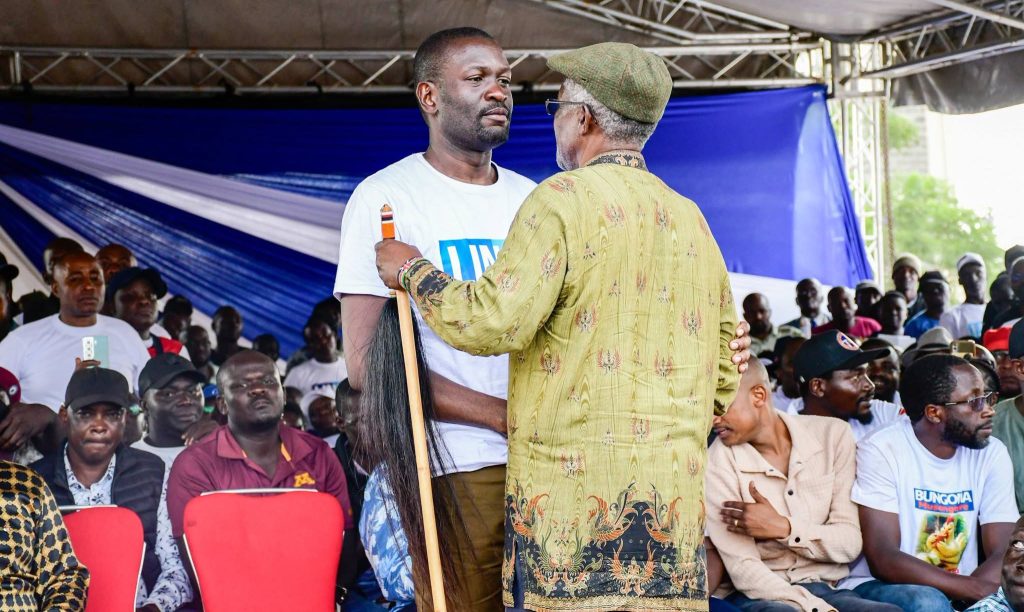
Ida Betty Odinga, who attended the event, expressed deep concern over the continued degradation. She warned that the destruction of Kakamega threatens one of Africa’s most important biodiversity hotspots.
“The destruction of this rainforest is not just a Kakamega problem. It is a Kenya problem, and an Africa problem. Once these species and this ecosystem are lost, we cannot bring them back,” Odinga said.
Dr. Barasa said the government has put in place laws, forest management plans, and community forest association frameworks to protect Kakamega. The Kenya Forest Service has also increased patrols and arrests in recent months.
But conservationists argue that policy is not matching reality. Community Forest Associations say they lack funding, equipment and legal backing to stop illegal activities. Climate shocks like prolonged droughts followed by flash floods are also making restoration harder.
The CS acknowledged the gap. She called on development partners, conservation organizations and county governments to increase support for forest protection and restoration projects.
Dr. Barasa used the World Rainforest Day platform to push President Ruto’s 15 billion trees campaign. Kenya has planted hundreds of millions of seedlings since 2022, but experts warn many projects use fast-growing exotic species like eucalyptus and cypress.
“Restoring degraded landscapes and strengthening biodiversity requires indigenous tree species. They are adapted to our climate, support local wildlife, and protect our water towers better,” she said.
Kakamega Forest restoration projects are now shifting focus to indigenous species such as Croton megalocarpus_, Markhamia lutea and Ficus natalensis. Community groups in Lurambi and Malava are running nurseries to supply seedlings for replanting degraded blocks.
This year’s theme, “The Forest Within You,” brought together national and county leaders, conservation NGOs, development partners, Community Forest Associations and local residents. The message: conservation starts with personal responsibility.
For residents living around Lianugu, the forest is both a threat and a lifeline. It provides firewood, medicinal plants, and eco-tourism income. But human-wildlife conflict and crop destruction by forest animals also cause losses.
Dr. Barasa urged locals to see themselves as custodians, not enemies, of the forest. She said sustainable livelihoods like beekeeping, butterfly farming and eco-tourism can replace destructive activities like charcoal burning.
As Kenya marks World Rainforest Day 2026, the message from Kakamega is clear: without urgent action, the country risks losing its only tropical rainforest. And with it, a climate regulator, a water tower, and a biodiversity treasure that generations to come may never see.