





A fever and a failing drug: The silent pandemic and how antibiotics resistance is shaping future of medicine
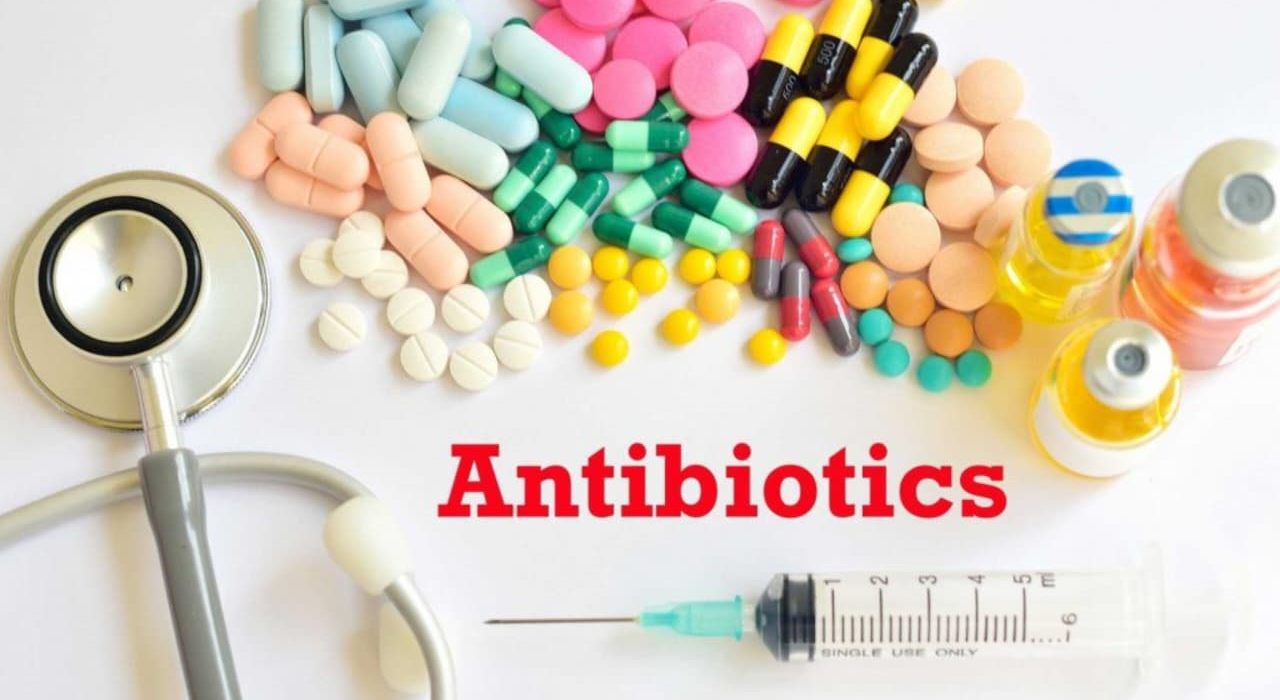
When 9-year-old Amina Wanjiku developed a fever and cough in Nairobi’s Eastlands, her mother didn’t worry. It was the kind of infection every child seemed to catch when the rains came.
She bought a course of amoxicillin from a roadside chemist something she had done many times before.
But this time, the fever didn’t break. The cough grew worse. Within a week, Amina was gasping for air, her small body trembling in exhaustion. Doctors at Kenyatta National Hospital delivered the chilling news: the infection was resistant to nearly all known antibiotics.
“We tried everything penicillin, ceftriaxone, even carbapenems,” recalls Dr. Josephine Atieno, an infectious disease specialist. “But the bacteria didn’t respond. That’s when you realize medicine is losing its power.”
Amina’s story, once an exception, is fast becoming the new normal. One in Six Infections Now Drug-Resistant
The World Health Organization (WHO) this week sounded a grim warning: one in every six bacterial infections globally is now resistant to antibiotic treatment.
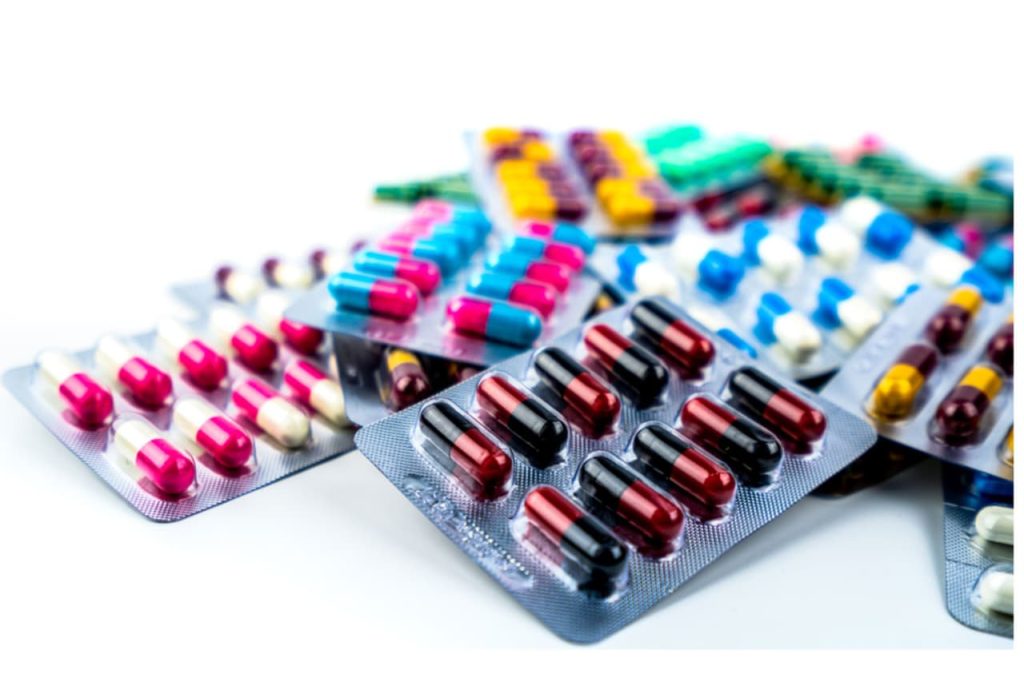
In its latest Global Antimicrobial Resistance (AMR) Report 2025, WHO confirms that bacteria long known to cause urinary tract infections, pneumonia, sepsis, and bloodstream infections are no longer responding to conventional drugs.
This means millions of people across the world are being infected by bacteria that medicine can no longer kill.
“We are entering an era where routine infections could once again become deadly,” said Dr. Tedros Adhanom Ghebreyesus, WHO Director-General. “Antimicrobial resistance is not a distant threat it’s happening in hospitals, communities, and homes.”
The numbers are staggering Globally, 1.3 million people die each year directly from drug-resistant infections, and nearly five million deaths are linked indirectly to antibiotic failure.
In Africa, resistance rates for E. coli and Klebsiella pneumoniae common causes of neonatal sepsis and pneumonia have doubled in less than a decade.
A Crisis Born of Overuse Antibiotics revolutionized modern medicine in the 20th century saving lives from once-fatal diseases like tuberculosis, pneumonia, and meningitis. But decades of overuse have given bacteria the time to evolve.
In Kenya, antibiotics are still sold freely without prescriptions. Farmers use them to fatten livestock Patients self-medicate or stop treatment early once they “feel better.” Each misuse helps bacteria learn to survive.
“Every time you take an antibiotic unnecessarily, you’re training bacteria to fight back,” says Dr. Peter Njoroge, microbiologist at the Kenya Medical Research Institute (KEMRI). “Now, we are paying for that negligence with human lives.”
A recent KEMRI surveillance report found that in Kenya’s public hospitals, nearly 40% of infections no longer respond to first-line antibiotics. The situation is particularly dire in intensive care units, where resistant infections spread rapidly through shared equipment and poor sanitation.
The Economic Toll: A Hidden Cost of Illness
The WHO estimates that antimicrobial resistance could cost the world over $100 trillion by 2050, pushing millions into poverty.
For low-income nations like Kenya, the impact is already visible.
At Bungoma County Referral Hospital, the cost of treating a resistant infection can reach KSh 200,000 nearly ten times the price of treating a normal infection. Many families simply cannot afford it.
“We lose patients not because we don’t know what’s wrong, but because we can’t afford the drugs that work,” says Dr. Alice Barasa, the hospital’s chief pharmacist. “Some patients are told to buy linezolid or meropenem privately. One vial costs up to KSh 8,000.”
As antibiotics fail, doctors are forced to use older, more toxic drugs or combinations that come with severe side effects further straining fragile healthcare systems.
Inside the War Room: Scientists Fight Back
Across Africa, scientists are racing against time.
At KEMRI, researchers are testing bacteriophages viruses that kill bacteria naturally as potential alternatives to antibiotics.
In Rwanda and South Africa, genetic sequencing labs are mapping bacterial DNA to predict emerging resistance hotspots.
Meanwhile, the Global AMR Innovation Fund, supported by the UK, Japan, and the EU, has begun funding early-stage antibiotic research but experts warn that drug development remains painfully slow.
“It takes 10 to 15 years to bring a new antibiotic to market,” says Dr. Mercy Kilonzo, a Kenyan microbiologist. “And bacteria can develop resistance in just two.”
Changing Behavior, Saving Lives
While science searches for solutions, experts stress that the simplest measures remain the most effective: hygiene, vaccination, and responsible drug use.
Countries like Rwanda and Ghana have adopted digital prescription systems that track antibiotic use in real time, reducing misuse.
Kenya’s National Action Plan on Antimicrobial Resistance (2024–2028) is rolling out public awareness campaigns, targeting pharmacists, farmers, and schools.
At the grassroots level, community health workers in Bungoma are teaching mothers like Amina’s to complete antibiotic courses and avoid self-medication.
“I didn’t know I was doing harm,” says Amina’s mother, Mary. “Now, I understand why the doctor’s instructions matter.”
The Future of Medicine at a Crossroads
The world is at a defining moment.
Without immediate global cooperation, experts warn, the next pandemic may not come from a new virus but from bacteria we can no longer control.
“Antimicrobial resistance threatens every corner of modern medicine,” said Dr. Swaminathan, WHO’s Chief Scientist. “It endangers cancer treatments, organ transplants, childbirth, and even routine surgeries.”
Amina, now fully recovered after weeks of specialized care, represents both tragedy and hope a reminder that while humanity created antibiotics, it is also capable of saving them.