





The power to choose. How family planning is transforming lives and shaping Kenya’s future
MACHAKOS – In the heart of Mwala Village in Machakos County, dawn breaks gently over the dry red hills. The morning air is cool and heavy with the scent of charcoal fires and damp earth.
Along a narrow path cutting through the acacia trees, 30-year-old Mary Mwende walks briskly toward a small health center perched on the edge of the village.
She is dressed in a bright green kitenge dress, the fabric swaying softly against her legs. Her sandals worn thin from countless trips kick up tiny clouds of dust with each step. In one hand, she clutches a small woven bag. In the other, she holds something far more significant, a decision that will shape the rest of her life.
“I’m not here because I’m sick,” Mary says with a determined smile. “I’m here because I want to plan my life.”
For Mary and millions of women like her that choice is not just about delaying pregnancy. It is about pursuing education, building a business, raising healthy children, and crafting a future on her own terms.
The Mwala Community Health Centre is unassuming a whitewashed building with chipped paint and a tin roof that rattles in the wind. Yet, within its modest walls, lives are quietly being reshaped.
In a small waiting room, a teenage girl in a navy school uniform sits nervously, clutching her bag. Across from her, a mother of four hums softly to the baby sleeping in her lap. A young couple speaks in hushed tones, their fingers entwined. All of them are here for the same reason: to make an informed choice about their reproductive futures.
“Family planning is more than a medical service,” explains Dr. Kiriki Omano, a gynecologist and reproductive health specialist. “It’s a lifeline. It gives women and couples control over their bodies, their health, and their futures.”
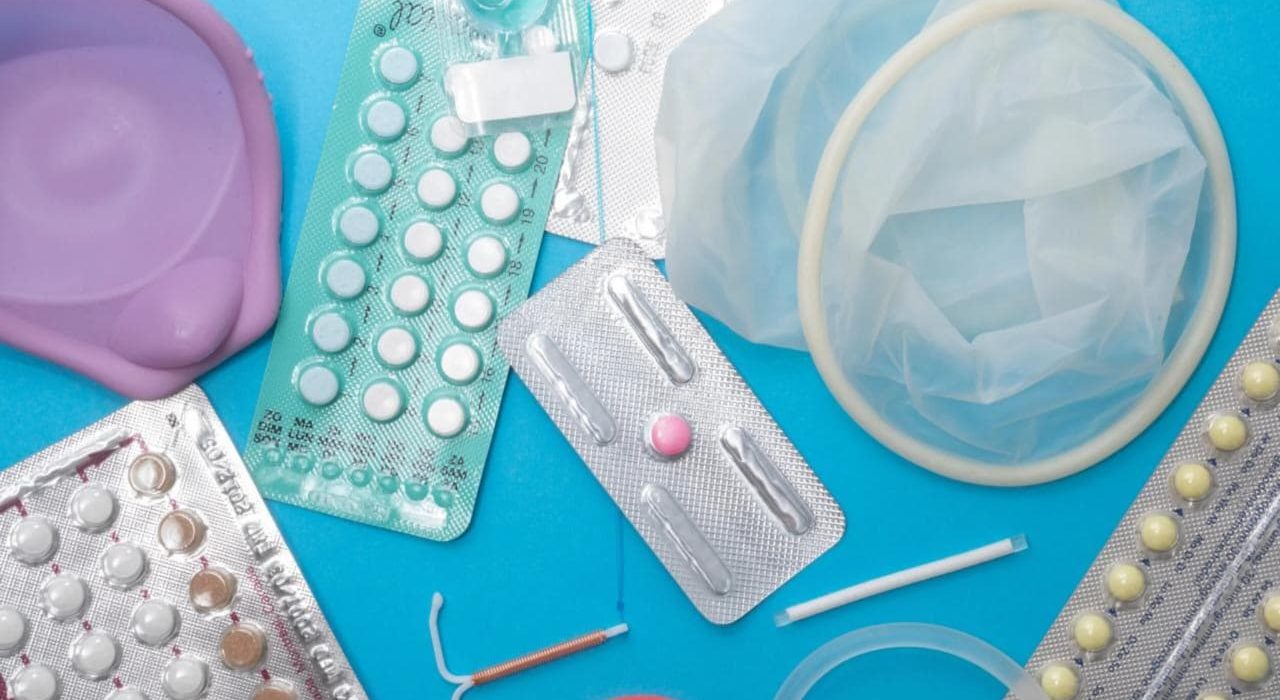
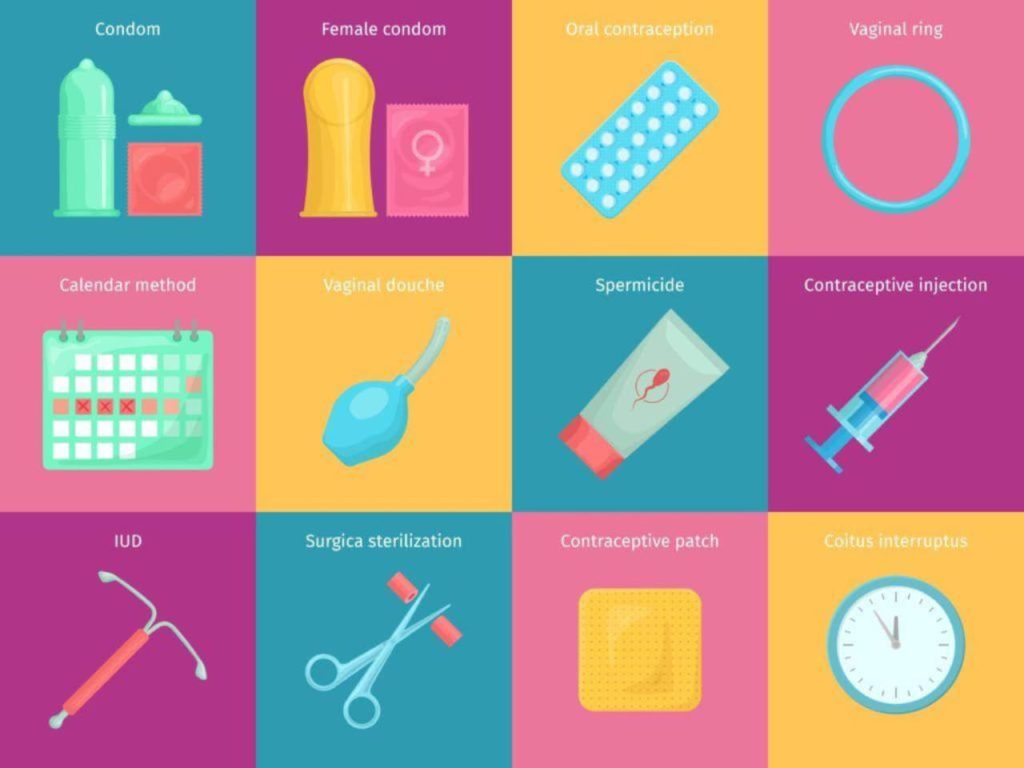
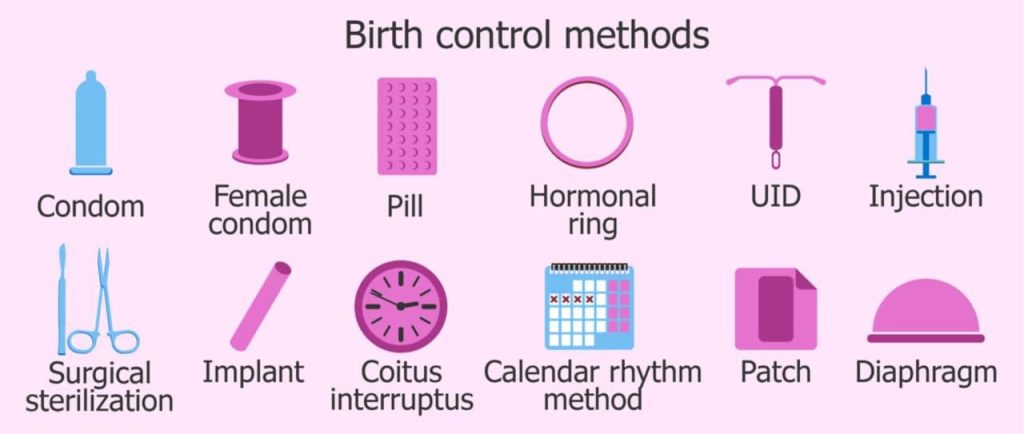
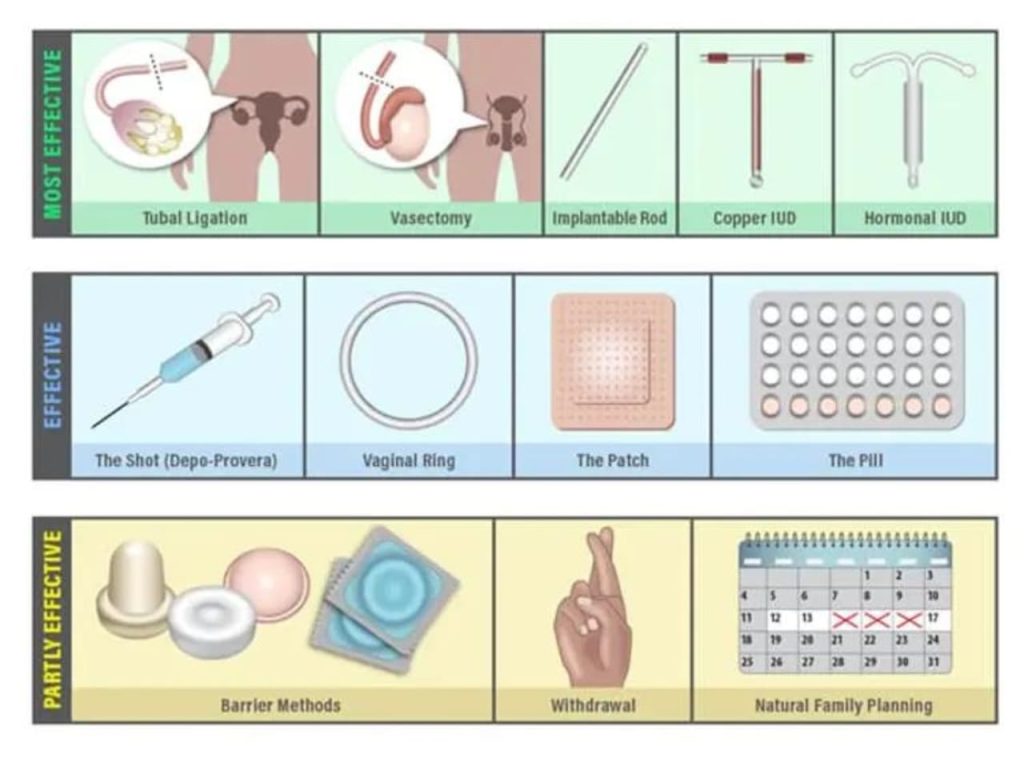
Kenyan women today have a range of contraceptive options to choose from. Oral pills, taken daily, offer discreet and reversible protection. Injections, administered every three months, provide longer-term control. Implants placed under the skin prevent pregnancy for up to five years. Copper IUDs hormone-free devices inserted into the uterus can last over a decade. Emergency contraceptives, used after unprotected sex, offer critical backup when needed.
“These methods both hormonal and non-hormonal work in different ways,” says Dr. Omano. “But they all share a common purpose: to put decision-making power in the hands of women and couples.”
For Mary, that power is life-changing. After giving birth to her first child, she struggled to find work and feared an unplanned pregnancy would derail her ambitions. Now, she runs a small vegetable stall and is saving money to open a grocery shop.
“Family planning gave me freedom,” she says. “I can plan for my daughter’s education. I can build something before having another baby.”
Her story reflects a broader truth. According to the World Health Organization (WHO), universal access to contraception could prevent more than 30% of maternal deaths worldwide. It reduces the risk of unsafe abortions a leading cause of death for women in sub-Saharan Africa and allows women to pursue education and employment without fear of unplanned pregnancies.
“When women can plan their families, their children are healthier, better nourished, and more likely to complete school,” notes Dr. Natalia Kanem, Executive Director of UNFPA. “Households grow more stable, and communities become more resilient.”
The ripple effects of family planning extend far beyond the household. As global populations soar, the strain on land, water, food, and energy grows. In regions already vulnerable to drought and climate change like Kenya’s arid counties rapid population growth can push communities to the brink.
“Family planning is also a climate solution,” says Dr. Wilberforce Otichilo, an environmental policy expert. “When families can plan the size of their households, it reduces pressure on natural resources and helps communities adapt to climate change.”
Globally, an estimated 257 million women who want to avoid pregnancy are not using safe, modern contraceptives. Meeting that need could reduce carbon emissions by more than 1.1 billion tons annually by 2050 more than the combined yearly emissions of all passenger vehicles worldwide.
Family planning is a cornerstone of Kenya Vision 2030, the country’s blueprint for becoming a middle-income nation by 2030. Under its social pillar, Kenya aims to achieve a modern contraceptive prevalence rate (mCPR) of 64%.
Progress has been significant. In 2003, only 32% of married women used modern contraceptives. By 2022, that number had climbed to 57%, according to the Kenya Demographic and Health Survey (KDHS). Over the same period, the unmet need for family planning fell from 27% to 14%.
Counties like Machakos lead the way, with mCPR above 63%, thanks to robust community programs, male involvement initiatives, and expanded access to health services. The number of facilities offering family planning has grown from under 3,000 in 2005 to more than 10,000 today.
“Kenya is on track,” Dr. Omano says. “But we need to go further into rural areas, schools, and homes to ensure that no one is left behind.”
However, challenges remain. Cultural resistance persists in some regions, and adolescents often face stigma when seeking contraception. In addition, counterfeit contraceptives from informal markets pose serious health risks, and healthcare systems must work harder to ensure quality and safety.
Across Africa, contraceptive use is rising but remains uneven. The continent’s mCPR is now 36%, up from 23% in 2000, but still far below the global average of 65%.
Countries such as Rwanda have achieved remarkable success, increasing contraceptive use from just 10% in 2005 to 58% in 2022. Ethiopia has also seen major gains, from 6% in 2000 to 41% today. However, in Nigeria Africa’s most populous nation usage remains low at 21%, due to persistent cultural and religious barriers.
Globally, more than 922 million women now use modern contraceptives double the number in 1990. In Europe and North America, usage exceeds 75%, while in sub-Saharan Africa it remains below 40%. Bridging that gap could avert 20 million unintended pregnancies and save 70,000 mothers’ lives every year, according to UNFPA.
“Every dollar invested in family planning returns over eight dollars in social and economic benefits,” says Dr. Kanem. “It is one of the smartest investments any government can make.”
As the afternoon sun sinks behind the Machakos hills, Mary walks back home along the same dusty path. Her sandals are coated with red soil, and sweat glistens on her forehead but her stride is confident. In her eyes is the quiet certainty of a woman who has taken control of her future.
“I want my daughter to finish school,” she says. “I want to decide when I’m ready for another child. That choice that power is mine.”
In homes, clinics, and communities across Kenya, that same power is reshaping the course of history one woman, one decision, one family at a time.
The Numbers: Family Planning at a Glance
Kenya 32% → 57% Growth in modern contraceptive use (2003–2022),27% → 14% – Decline in unmet need for family planning,64% National mCPR target by 2030
Africa 36% Current contraceptive prevalence rate (2022),20 million Unintended pregnancies preventable annually,70,000 Maternal deaths avertable every year
Global 922 million Women using modern contraceptives,257 million Women with unmet contraceptive needs,1.1 billion tonnes Potential annual CO₂ reduction if needs are met
Family planning is not only reshaping lives, it is shaping the future of nations, the health of the planet, and the destiny of generations yet unborn. And it all begins with a single, life changing choice.