


Biotechnology research gains momentum in Kenya as NBA certifies Pwani University
Research in modern biotechnology can now be undertaken at Kenya’s Pwani University.
This was made official after the National Biosafety Authority (NBA) certified Pwani University’s Biosciences Research Centre (PUBReC) to commence the research.
The university was certified as a Biosafety Level II (BSL-2) Containment Facility, in accordance with Kenya’s Biosafety (Contained Use) Regulations, 2011.
This achievement marks an important step in strengthening the University’s capacity to undertake advanced biotechnology research, including genetic transformation and other regulated research activities, subject to the applicable biosafety approvals.
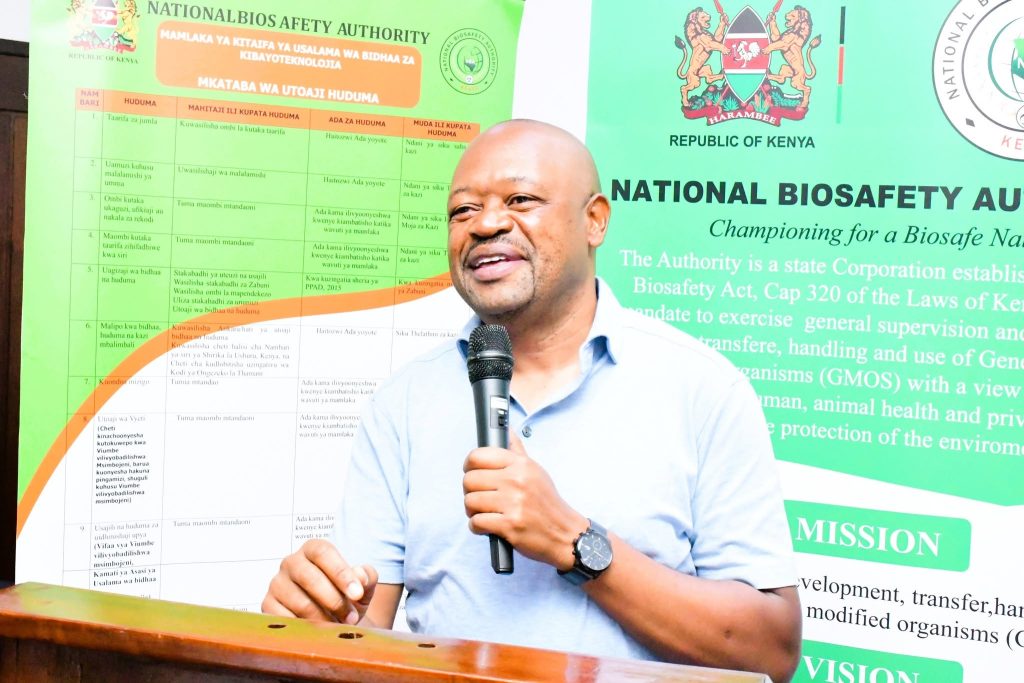
“This was achieved after the University satisfied the criteria for BSL requirements for safe handling and use of GMOs under research. It’s for one year thereafter requiring a reinspection and recertification annually for continued compliance,” said NBA acting Chief Executive officer Dr. Ann Karimi.
Some of the active registered research facilities include ILRI laboratory involved in GM research, KALRO Biotech and Njoro laboratory.
Under Section 18(1) of the Biosafety Act (CAP 320), conducting any GMO-related research, confined field trials, imports, or environmental releases without written authorization from the NBA is strictly prohibited.
The Act requires institutions conducting GMO research in Kenya, scientists and institutions to establish an Institutional Biosafety Committee (IBC) an internal multidisciplinary IBC to oversee safety and act as the official liaison with the Authority.
All laboratory or greenhouse GMO work must take place in a facility certified by the NBA at Biosafety Level II (BSL-II) or higher. Facilities require annual inspection and recertification.
Researchers are required to submit formal applications through their IBC for each stage of work, including contained laboratory use, Confined Field Trials (CFTs), or environmental release while teams using gene-editing tools must apply for an early consultation to verify whether their resulting organism falls under standard GMO regulations.
In May this year, the NBA inked a Memorandum of Understanding with Masinde Muliro University of Science and Technology (MMUST) in Kakamega County on training of students undertaking modern biotechnology related courses.
The deal was inked by Dr Karimi and MMUST Vice-Chancellor Prof. Solomon I. Shibairo in the presence of NBA director of legal services Mr. Moses Sande and Mr. Nehemiah Ngetich who is in charge of compliance and enforcement at NBA.
Dr. Karimi hailed the agreement noting that it will go along way strengthening research and regulating of GMOs in the Country.
“We were established to handle GMOs, but we are now getting into other areas of modern biotechnologies,” said Dr. Karimi.
This comes as the NBA steps up sensitisation efforts across the country to address misinformation and disinformation on genetically modified organisms (GMOs).
The authority has been undertaking public awareness activities across the country aimed at addressing misinformation and disinformation on GMOs and promoting a better understanding of biosafety and biotechnology.
“We are here to explain to our farmers and other stakeholders what we do as an Authority so that they can have a better understanding,” said Mr. Wamatsi at a past event in Lamu County.