

Wamatsi leads NBA at 17th Conference of the Parties to the Convention on Biological Diversity (CBD COP17)
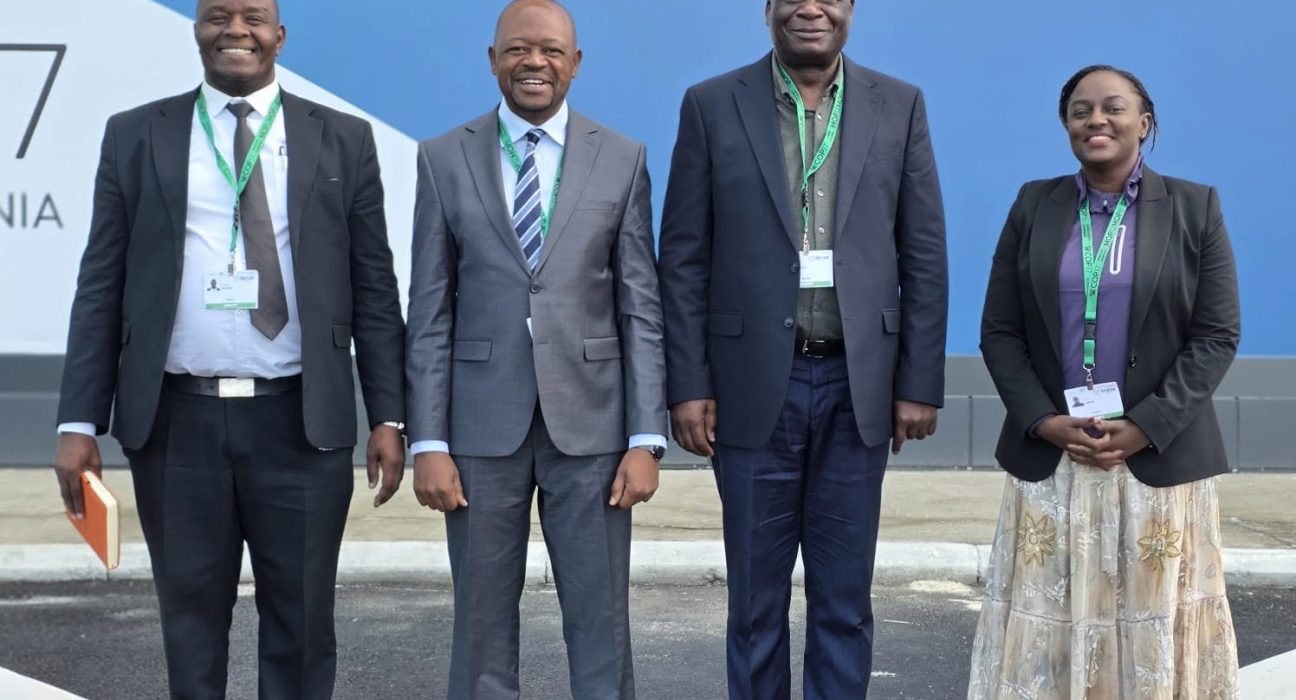
Yerevan: Kenya’s National Biosafety Authority (NBA) has underscored its commitment in championing effective regulation, evidence-based decision-making, international cooperation and strategic partnerships that will ensure protection of environment, promote responsible scientific innovation and advance sustainable development across Kenya and the African continent.
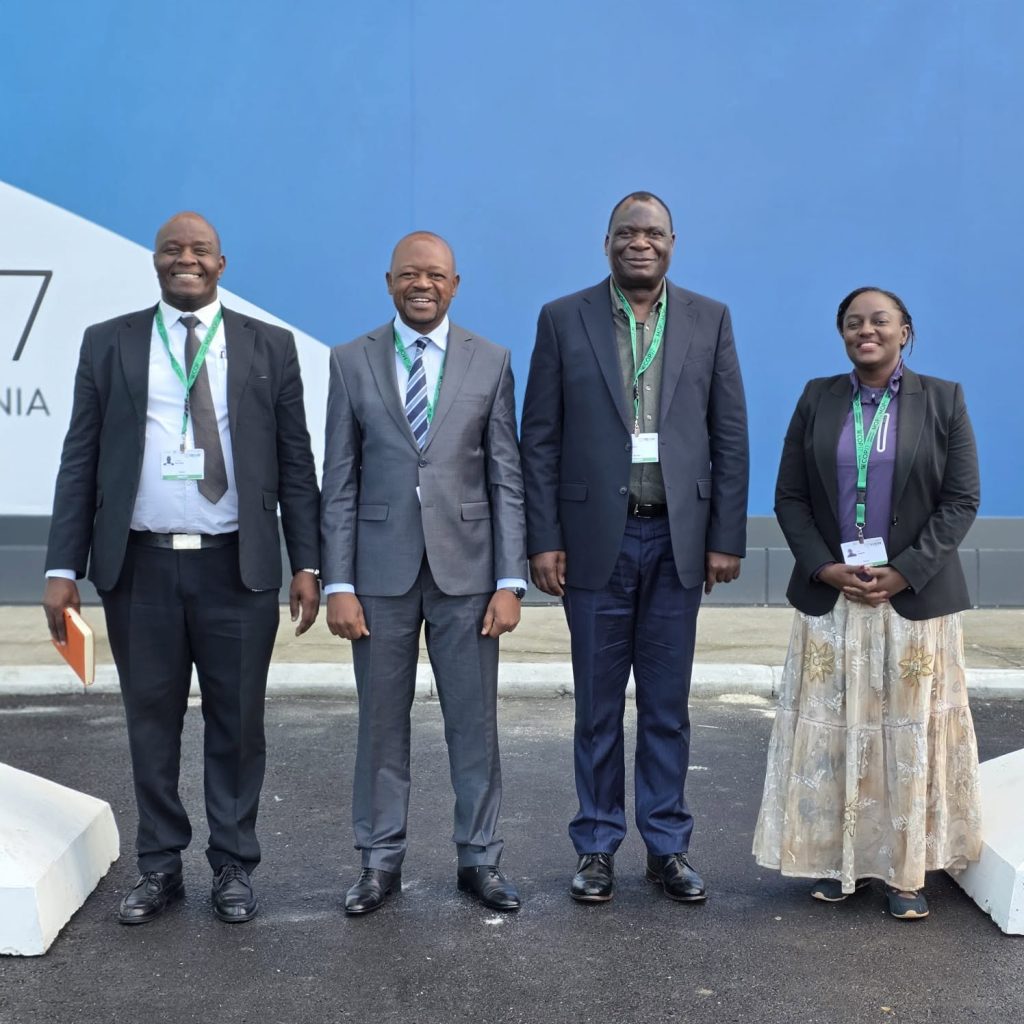
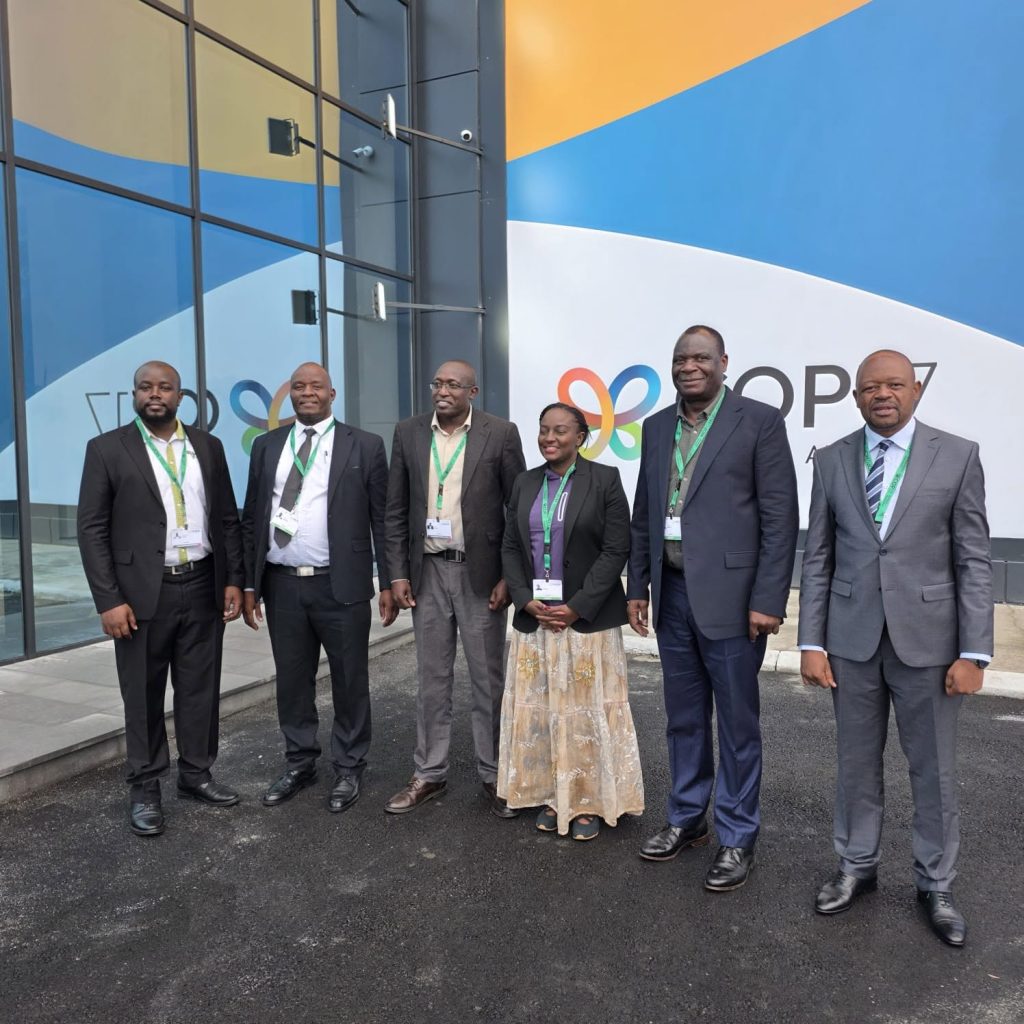
Speaking during the opening session at the 17th Conference of the Parties to the Convention on Biological Diversity (CBD COP17), taking place in Yerevan, Armenia, from 19th to 30th October 2026, the Authority’s Chairman Mr. David Wamatsi said NBA which is also the National Competent Authority for the implementation of the Cartagena Protocol on Biosafety will continue to work with other stakeholders to ensure food security and nutrition in the region.
NBA is mandated to exercise general supervision and control over the transfer, handling and use of Genetically Modified Organisms (GMOs) with a view to ensuring the safety of human and animal health and provision of adequate protection of the environment.
“As Kenya and Africa continue to strengthen their regulatory institutions, our presence at these international forums is essential in ensuring that our priorities, scientific perspectives and development aspirations are represented in decisions shaping the future of biodiversity and biosafety,” said Mr. Wamatsi during his address to the delegates.
He said Kenya’s voice is Africa’s voice. Africa must not only participate in global conversations; but must help shape the decisions that define our future.
“This landmark United Nations biodiversity conference brings together governments, policymakers, scientific experts and other stakeholders from across the world to advance biodiversity conservation, the sustainable use of biological resources and the implementation of global biodiversity commitments,” added Mr. Wamatsi.
The Conference bringing together government officials, international organizations, scientists and environmental advocates for two weeks of negotiations aimed at reversing the global loss of biodiversity.
The conference marks a key opportunity to assess progress toward the Kunming-Montreal Global Biodiversity Framework, adopted in 2022, and accelerate efforts to meet its ambitious targets for protecting nature by 2030.
Armenian Prime Minister Nikol Pashinyan addressed the opening ceremony, while Environment Minister Hambardzum Matevosyan was elected COP17 president for a two-year term, taking responsibility for guiding the conference’s proceedings.
United Nations Secretary-General António Guterres also took part in high-level events ahead of the conference, including the Leaders for Nature Summit, held in Yerevan on Oct. 16.
Africa’s priorities featured prominently in the opening discussions. Ousseynou Kassé, chair of the African Group of Negotiators, described COP17 as a pivotal moment for mobilizing collective action against biodiversity loss.
“COP 17 represents a decisive moment of awakening collective consciousness to the urgency of halting biodiversity loss and the profound threats it poses to human well-being,” Kassé said.
Over the next two weeks, delegates will discuss progress toward 23 global biodiversity targets designed to curb the destruction of nature by 2030.
Key goals include conserving at least 30% of the world’s land and marine areas, restoring 30% of degraded ecosystems, reducing pollution, protecting threatened species and promoting the sustainable use of natural resources.
Securing sufficient funding for conservation is expected to be among the conference’s most consequential challenges.
Under the global biodiversity framework, countries committed to mobilizing at least $200 billion annually for biodiversity by 2030, including $30 billion a year in international financial flows to developing countries and economies in transition.
Delegates will also examine efforts to reform or eliminate government subsidies and incentives that harm biodiversity, particularly in agriculture, fisheries and other resource-intensive sectors.
Other agenda items include scientific monitoring, accountability mechanisms, the participation of Indigenous Peoples and local communities, and the fair and equitable sharing of benefits derived from genetic resources.
Parallel negotiations under the Cartagena and Nagoya protocols will address biosafety and access to genetic resources.
African countries are participating in the conference with support from the African Union Development Agency-NEPAD (AUDA-NEPAD) and other partners.
The outcome of COP17 will help determine whether international pledges translate into concrete action to protect ecosystems and the communities that depend on them.