

Mudavadi urges quick implementation of Nairobi Rising programme
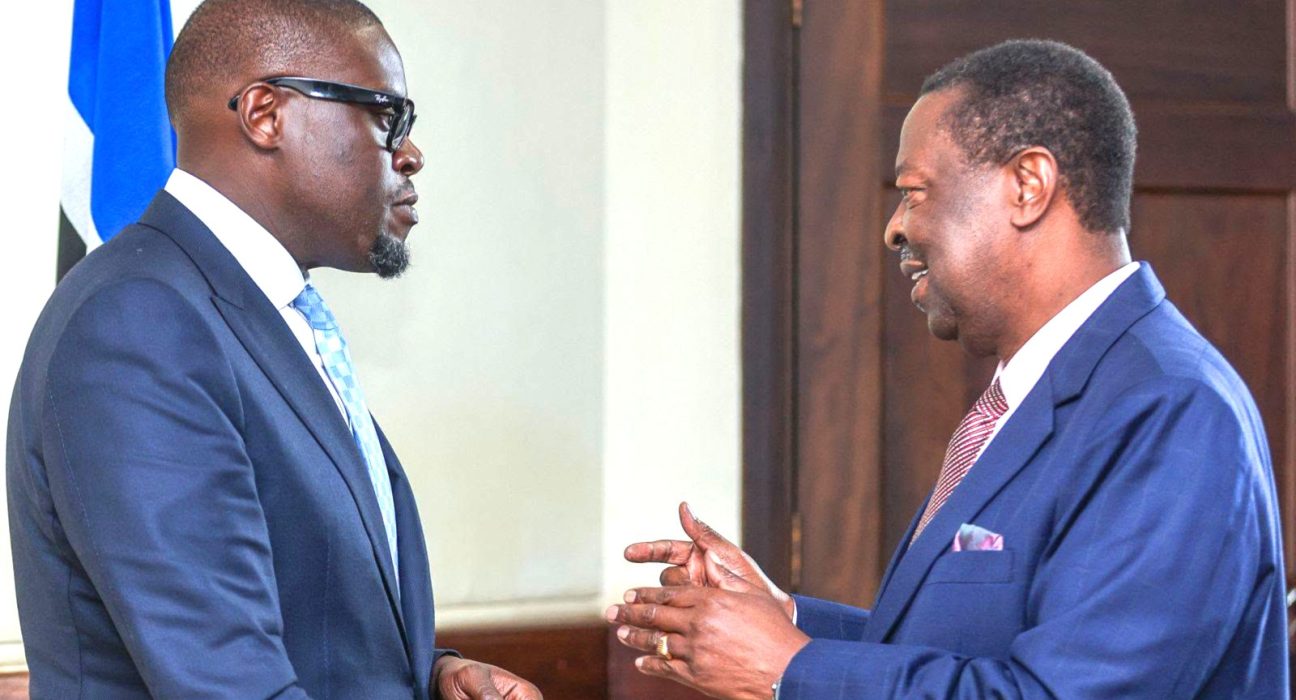
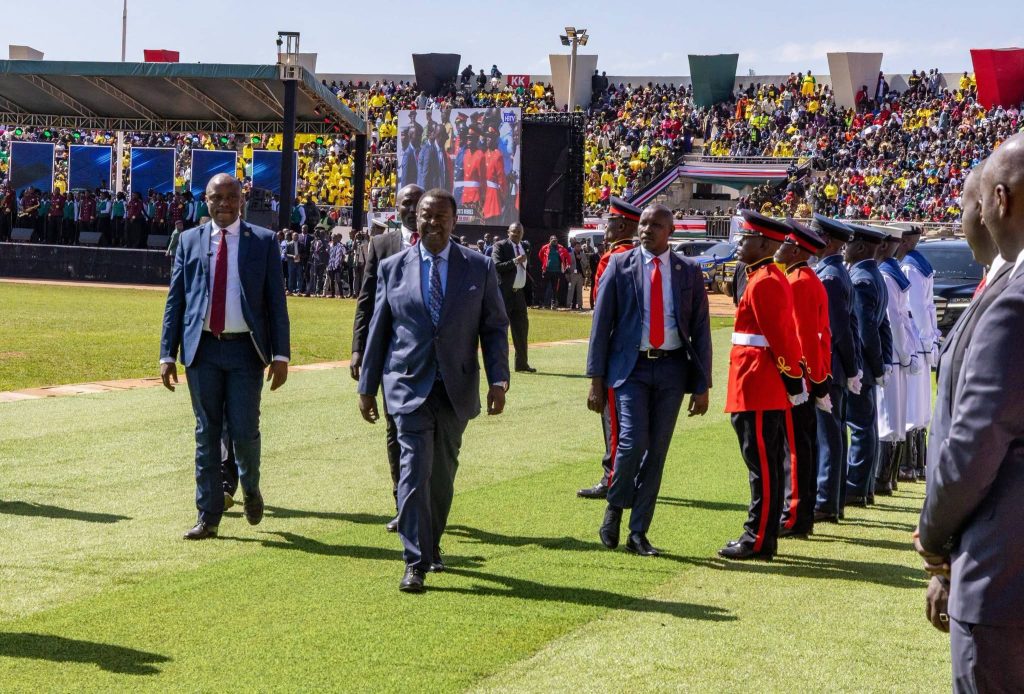
Prime Cabinet Secretary Musalia Mudavadi has called for tightened coordination, reviewed delivery timelines and accelerated pace of implementation of critical city services under the Nairobi rising programme.
Presiding over the third Joint Steering Committee meeting under the National Government–Nairobi City County Cooperation Agreement, Mudavadi said tangible deliverables must be met.
“We have to ensure what is to be achieved within the set timeline is done. In the next 13 months, Nairobians will have an opportunity to interrogate what we have done for them from the promises we made.” noted the Prime CS.
He said the programme, with an investment portfolio of KShs. 80 billion, is ambitious but necessary since it speaks directly to the aspirations of both National and County governments leadership and the broader vision of sustainable urban transformation.
“Our strategic interventions in water and sanitation are intended to guarantee reliable access to clean water and modern sewerage systems for millions of Nairobi residents across all boroughs. Our investments in security, roads, street lighting, markets, drainage and urban connectivity are designed to enhance mobility, improve security and support economic productivity.” noted Mudavadi
The implementation committee chaired by Nairobi County Governor Johnson Sakaja presented a progress report arising from the 2nd joint steering committee held on 7th April 2026.
Part of the report highlighted progress made on solid waste management, and Nairobi River regeneration programmes which are at an advanced stage.
The report stated that Regeneration Projects Phase 1 is at 77% completion, Bitumen Standards Roads of which about 17.1km identified; 6 roads are active and a further rollout is awaiting pending technical work and clearances.
Under the street Lighting program for 40,000 solar street lights the process is underway with the initial batch of 5,000 leaving production to be shipped mid-July, with site preparations ongoing and further meetings expected before the end of this week to align with KURA, MCCG, and Rivers Commission.
Construction of markets gave over 60% completion status; 8 markets ongoing and another 7 at planning stage await funding.
The Nairobi City Water and Sewerage last mile connectivity programme works are underway with the intervention expected to significantly improve access to safe water and sanitation services through laying of 450 km water distribution lines and 110 km of sewer lines across key urban areas.
According to Water, Sanitation and Irrigation Cabinet Secretary Erick Muriithi, progress has also been made in the construction of the 54 km twin trunk sewer along the Nairobi River corridor aimed at improving waste water management and restoring the river ecosystem.
“This is a critical environmental and sanitation project and it has achieved progress with a total of 3.5 km laid.” said the Cabinet Secretary.
“Other proposed interventions aim to reduce non-revenue water are also planned. These include pipeline reinforcement, replacing of aging asbestos pipes, installation of smart and bulk meters and modernization of system monitoring infrastructure.” added CS Muriithi.
The Prime CS directed the committees to make good use of public money to produce public value.
It was reported that the Communications sub-committee has begun working on an elaborative communications plan to guide the process of availing information to the public for scrutiny and accountability.
“We promised Nairobians that we would communicate with them regularly on the implementation of the Nairobi Rising Programme. I promised the Senate and National Assembly that we would take them on guided tours of the County to witness what we are doing on roads, Nairobi River Regeneration project, Housing and Non-Motorized Transport, among others.” said Mudavadi.
Governor Sakaja said the sub-committee on communication is working on areas that will ensure clarity in progress reporting.
It was agreed that ahead of the next sitting the joint steering committee through its secretariat must be ready with a detailed and up to date Presidential Report that comprehensively captures the action points and addresses areas of further intervention.