





One night of rain, one City overwhelmed: Nairobi faces climate warning
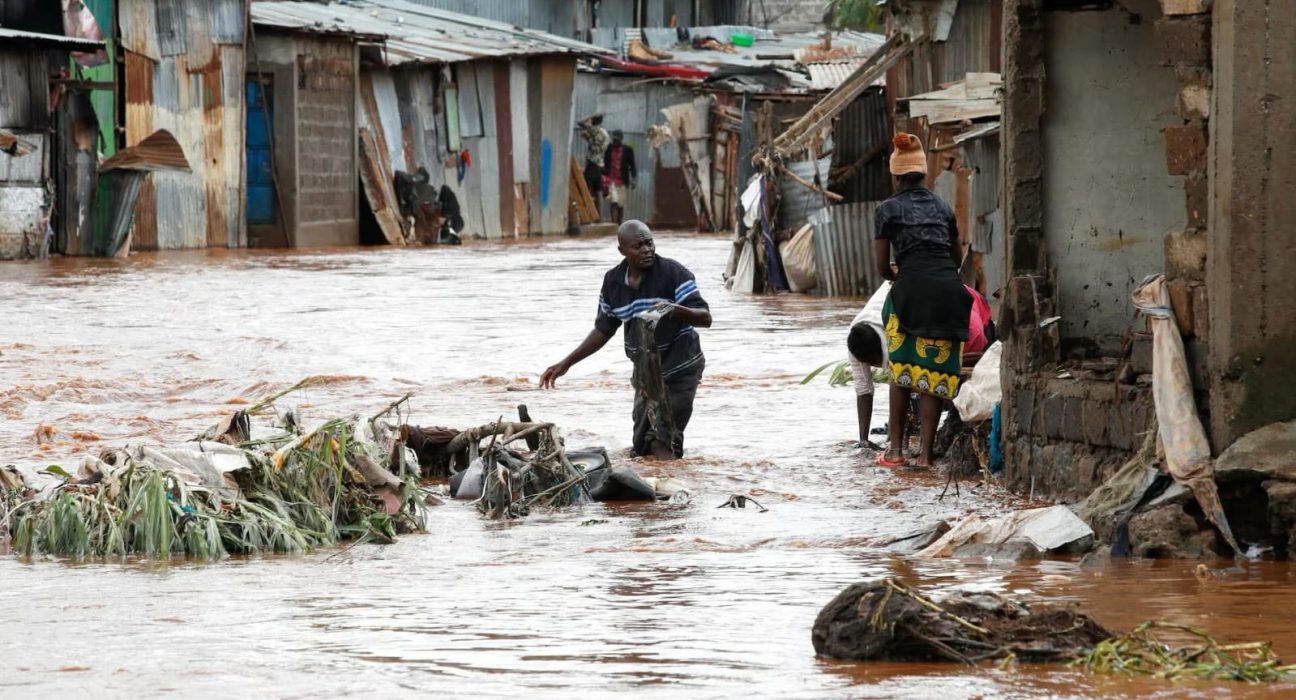
Heavy overnight rains pounded Nairobi last Friday, flooding major roads, holding commuters hostage for hours and exposing the capital’s growing vulnerability to extreme weather linked to climate change.
By Saturday morning, sections of the city were still counting losses after streets turned into rivers, vehicles were swept away by fast-moving water and traffic ground to a halt across key highways and feeder roads.
In some areas, floodwaters reached knee level, forcing residents to wade through submerged streets to reach safety.
Authorities say several people died after being swept away by floodwaters or electrocuted during the storm, while dozens of vehicles were damaged after being trapped in flooded roads across the capital.
“This was one of the most difficult nights on our roads,” said a traffic officer stationed along Uhuru Highway, one of the worst-hit routes. “Cars stalled everywhere, water was flowing across the road and movement became almost impossible.”
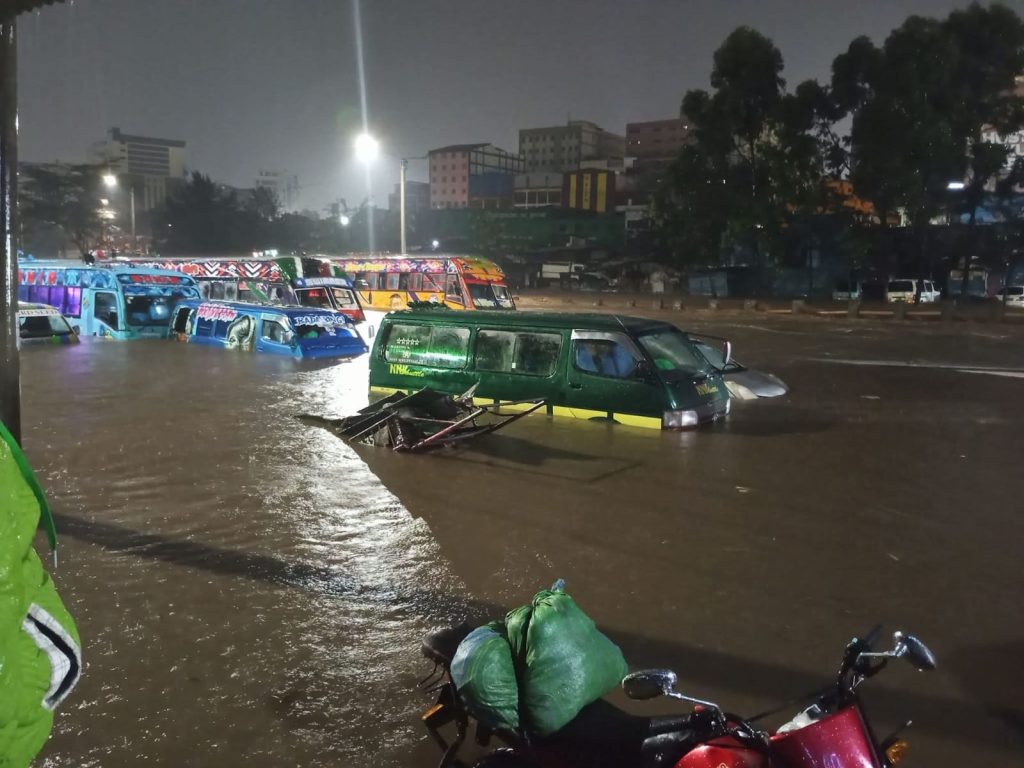
The heavy rains triggered massive traffic jams across Nairobi as waterlogged roads and stranded vehicles slowed movement across the city.
Thousands of commuters attempting to leave the central business district found themselves stuck in traffic late into the night, with some journeys lasting more than three hours.
Public transport operators struggled to reach passengers as matatus avoided flooded roads while motorists attempted risky detours through residential neighbourhoods.
“From Upper Hill to Thika Road it took me nearly four hours,” said Nairobi resident Peter Mwangi, who had left his office at 6pm hoping to beat the rain.
“By the time I reached home it was almost midnight. The city just stopped moving.”
The crisis forced authorities to deploy emergency teams including the Kenya Red Cross and the military to assist stranded motorists and restore traffic flow.
As floodwaters surged across the city, the Nairobi Expressway was temporarily opened free of charge overnight to help ease congestion along Mombasa Road and other flooded routes.
“In light of the current flooding situation and with public safety as our highest priority, the expressway will remain free for motorists during the emergency period,” operators said in a statement.
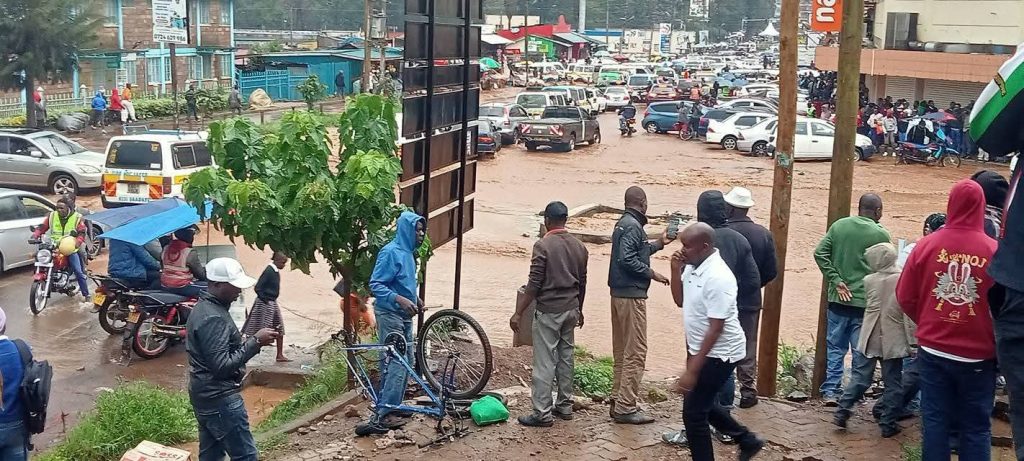
Rescue teams worked through the night clearing stalled vehicles and helping residents trapped in flooded neighbourhoods.
Ahmed Idris, Secretary-General of the Kenya Red Cross, said rescue teams faced major challenges reaching affected areas due to submerged roads and heavy traffic.
“Our teams are working around the clock to reach those in distress,” Idris said. “But flooded streets and congestion have slowed down rescue efforts.”
Meteorologists say the storms mark the early stages of Kenya’s March–May long rains season, which typically brings heavy rainfall across the country.
According to the Kenya Meteorological Department, several regions including Nairobi are expected to receive near-average to above-average rainfall during the season, with the possibility of intense storms capable of causing flash floods.
Weather experts warn that climate variability is increasingly producing intense rainfall events concentrated over short periods of time.
“These heavy downpours are becoming more common,” said climate scientist Dr. James Muriuki.
“When large volumes of rain fall within a few hours, urban drainage systems cannot cope, leading to flash floods like the ones we saw last night.”
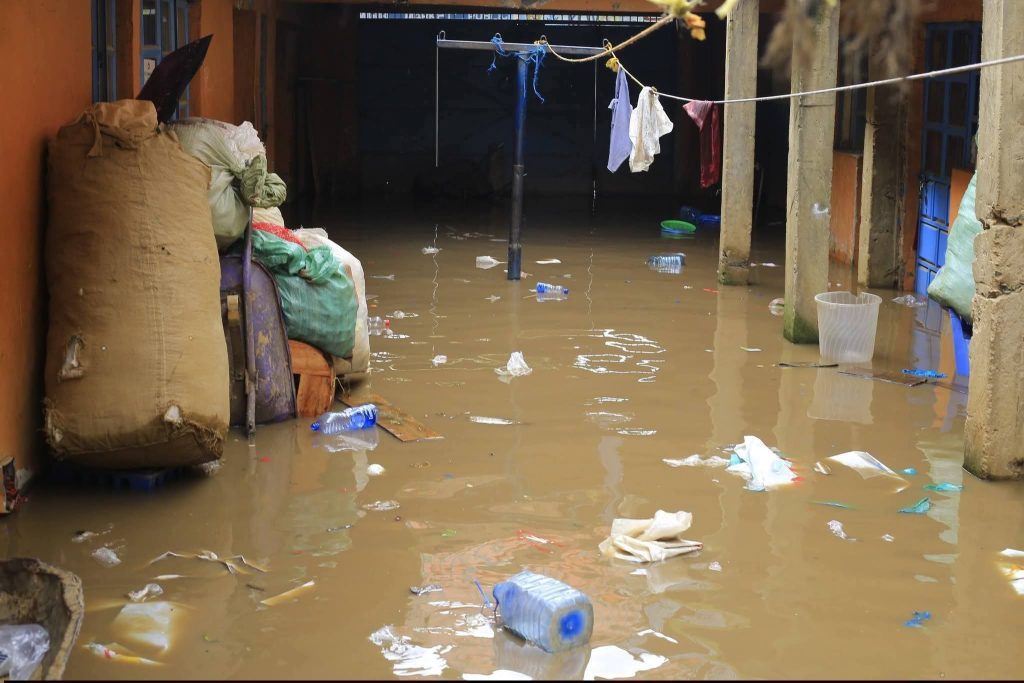
Scientists also warn that warming ocean temperatures and shifting global climate patterns could intensify rainfall in East Africa in the coming years.
Urban planners say Nairobi’s flooding crisis is also driven by rapid population growth and inadequate drainage infrastructure.
Over the past two decades the city has expanded rapidly, with many residential areas built along riverbanks and natural drainage channels.
Blocked drainage systems, plastic waste and encroachment along waterways often worsen the flooding.
“Every time it rains heavily the same areas flood,” said urban development analyst Mary Wanjiku.
“The city’s drainage system was never designed for the population we have today.”
Weather forecasts show thunderstorms likely to continue across Nairobi over the next several days, with intermittent rainfall expected through the week.
Meteorologists are urging residents to remain cautious, particularly in low-lying areas and near rivers that may overflow during heavy storms.
For many Nairobi residents, however, the storm has once again raised a pressing question
If a single night of rain can bring one of Africa’s fastest-growing capitals to a standstill, how prepared is the city for the heavier storms that climate change may bring?