





Ethiopia’s $17 Billion infrastructure bet: How mega projects are reshaping Africa’s economic landscape
As dawn breaks over the dusty plains outside Addis Ababa, construction cranes tower above what will soon become Africa’s largest airport a sprawling complex designed to carry more passengers than Heathrow or Dubai in its early phases.
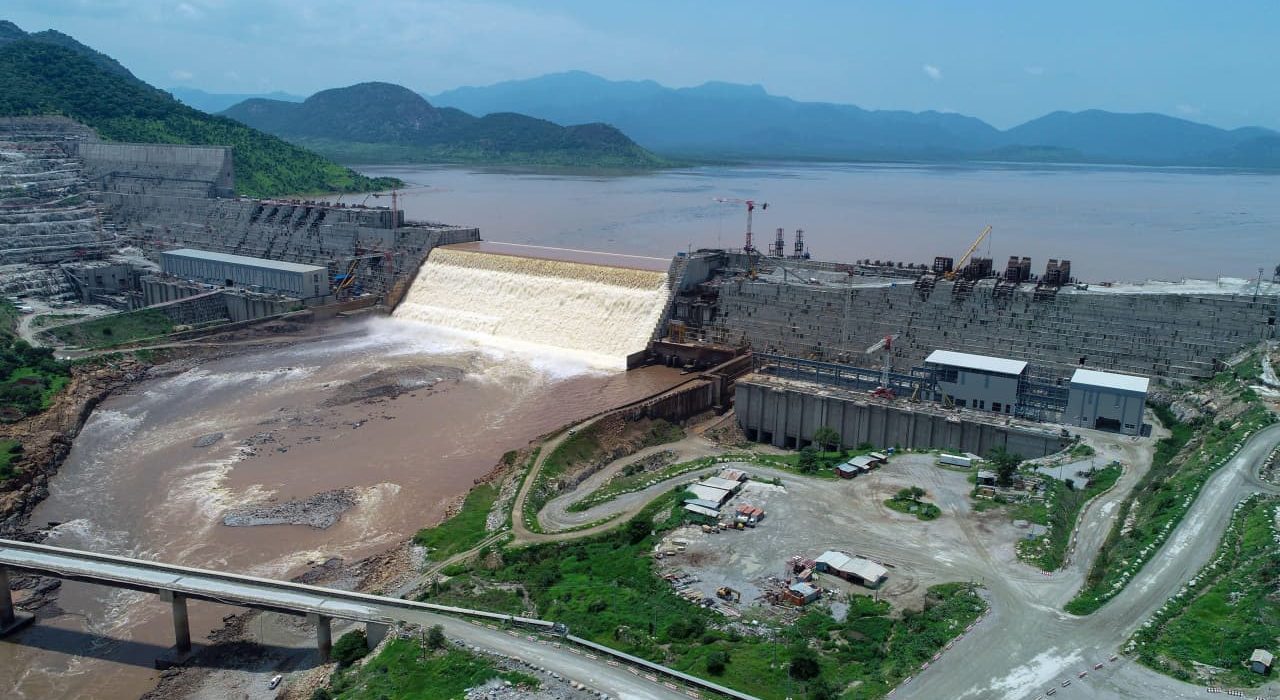
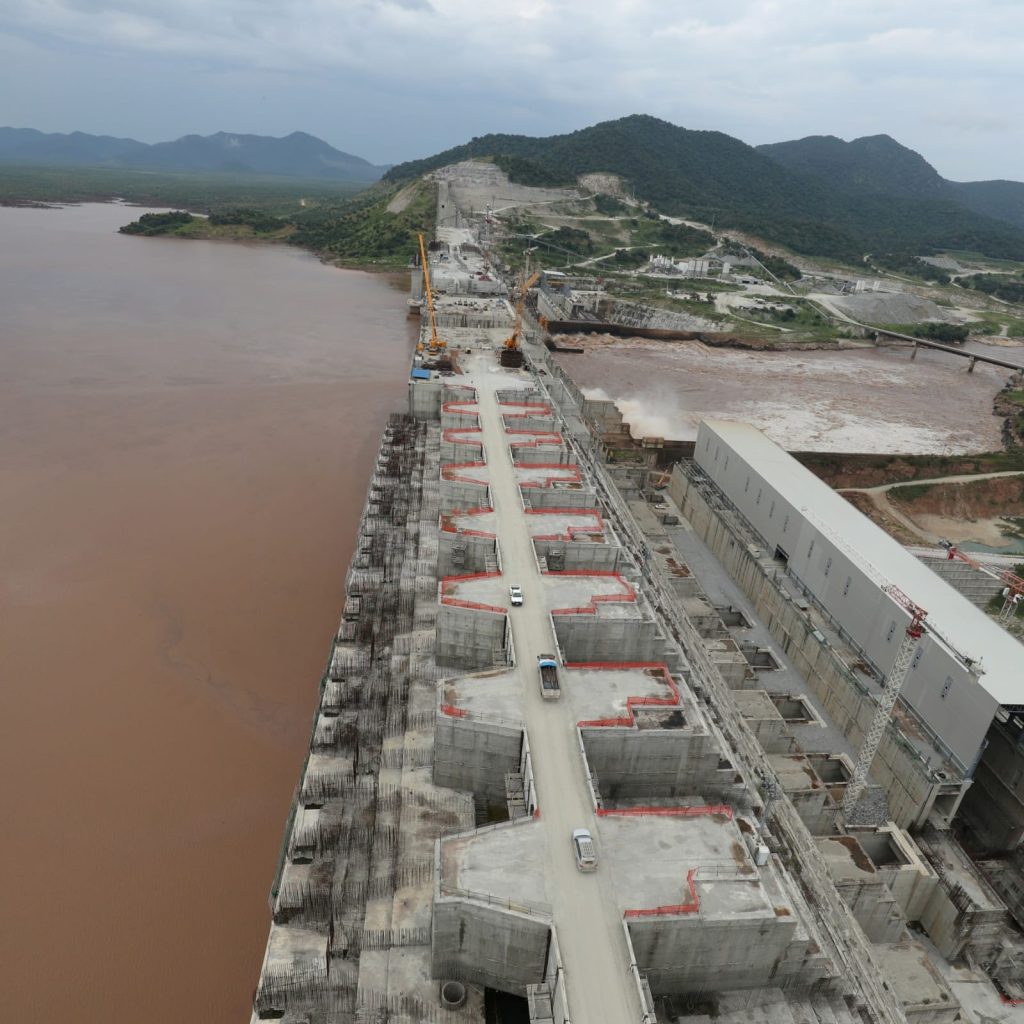
Just 400 kilometres northwest, the Grand Ethiopian Renaissance Dam (GERD) rises across the Blue Nile, its massive concrete walls holding back billions of cubic metres of water and the economic ambitions of a nation determined to transform itself.
Together, the two mega projects costing a combined $17.5 billion have become the centerpiece of Ethiopia’s development drive, propelling the country into the ranks of Africa’s fastest-growing economies while stirring regional tensions and global scrutiny.
Prime Minister Abiy Ahmed has repeatedly described the projects as symbols of Ethiopia’s “economic awakening.” But analysts say they represent something far more consequential: a high-stakes bet that infrastructure can lift millions out of poverty and reposition Ethiopia as a continental power.
According to the International Monetary Fund (IMF), Ethiopia is now Africa’s seventh-largest economy, with a gross domestic product of approximately $126 billion rapidly closing in on Kenya, ranked sixth with $141 billion.
South Africa remains the continent’s largest economy at nearly $444 billion, followed by Egypt and Nigeria.
At 7.1 percent annually, Ethiopia’s economy is expanding faster than any of Africa’s top seven economies. By comparison, South Africa’s growth stands at 1.2 percent, while Kenya posts 4.9 percent.
“If current trends continue, Ethiopia could soon overtake Kenya as East Africa’s largest economy,” said an economist at the African Development Bank, pointing to infrastructure-led expansion as a key driver.
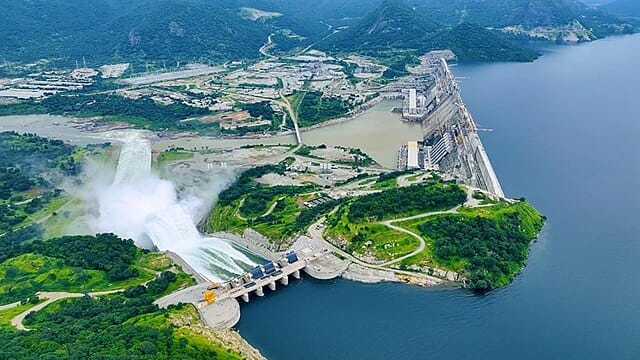
At the heart of Ethiopia’s economic strategy is the GERD, the largest hydroelectric dam in Africa and one of the biggest in the world.
Built at a cost of around $5 billion, the dam stretches nearly 1.8 kilometres across the Blue Nile and towers 476 feet high. When operating at full capacity, it will generate 6,450 megawatts of electricity enough to supply millions of homes and power factories across Ethiopia and neighbouring countries.
Government officials say the dam will turn Ethiopia into a major electricity exporter, feeding grids in Kenya, Sudan and beyond.
“This is not just about lighting homes,” said a senior energy official in Addis Ababa. “It is about industrialisation, jobs and long-term economic independence.”

But the project has also triggered diplomatic tensions, particularly with Egypt and Sudan, over water security along the Nile underscoring the geopolitical stakes tied to Ethiopia’s economic ambitions.
While the dam fuels factories, the Bishoftu International Airport aims to connect Ethiopia more tightly to global trade and tourism.
The $12.5 billion project, located southeast of Addis Ababa, is designed to handle 60 million passengers annually in its first phase rising to 110 million once fully completed by 2030.
Ethiopian Airlines, already Africa’s largest carrier by destinations, is expected to anchor the hub, strengthening Addis Ababa’s position as a major transit gateway between Africa, Europe, Asia and the Americas.
Officials predict the airport will create tens of thousands of direct and indirect jobs, boost cargo exports such as coffee and flowers, and accelerate tourism growth.
The African Development Bank says Ethiopia’s economy remains anchored in services and agriculture sectors now benefiting from improved infrastructure.

Wholesale and retail trade, banking, financial services and telecommunications dominate the services sector, while agriculture continues to employ millions.
Coffee alone accounts for up to 35 percent of Ethiopia’s export earnings, making efficient transport links crucial for competitiveness.
“Better roads, power supply and air cargo capacity are lowering business costs and opening new markets,” said a development analyst based in Nairobi.
Mega infrastructure projects across Africa have often faced criticism for ballooning costs, debt burdens and delayed returns.
Public debt has risen sharply in recent years, prompting negotiations with international lenders. Critics warn that overreliance on massive projects could strain public finances if economic growth slows.
Yet supporters argue that without bold investment, Ethiopia would remain trapped in low productivity and poverty.
“The question is not whether infrastructure is needed,” said a regional economist. “It is whether Ethiopia can manage these projects efficiently and translate them into inclusive growth.”
Rapid GDP growth, rising foreign investment and expanding regional trade networks are steadily reshaping the country’s economic profile.

If projections hold, Ethiopia could soon surpass Kenya and challenge North Africa’s middle-tier economies a shift that would redefine East Africa’s balance of economic power.
Standing beneath the towering turbines of the GERD or watching aircraft roll across Bishoftu’s future runways, the scale of Ethiopia’s ambition is unmistakable.
Whether these mega projects become engines of lasting prosperity or costly monuments to overreach may determine not only Ethiopia’s future, but the economic direction of the wider region.