

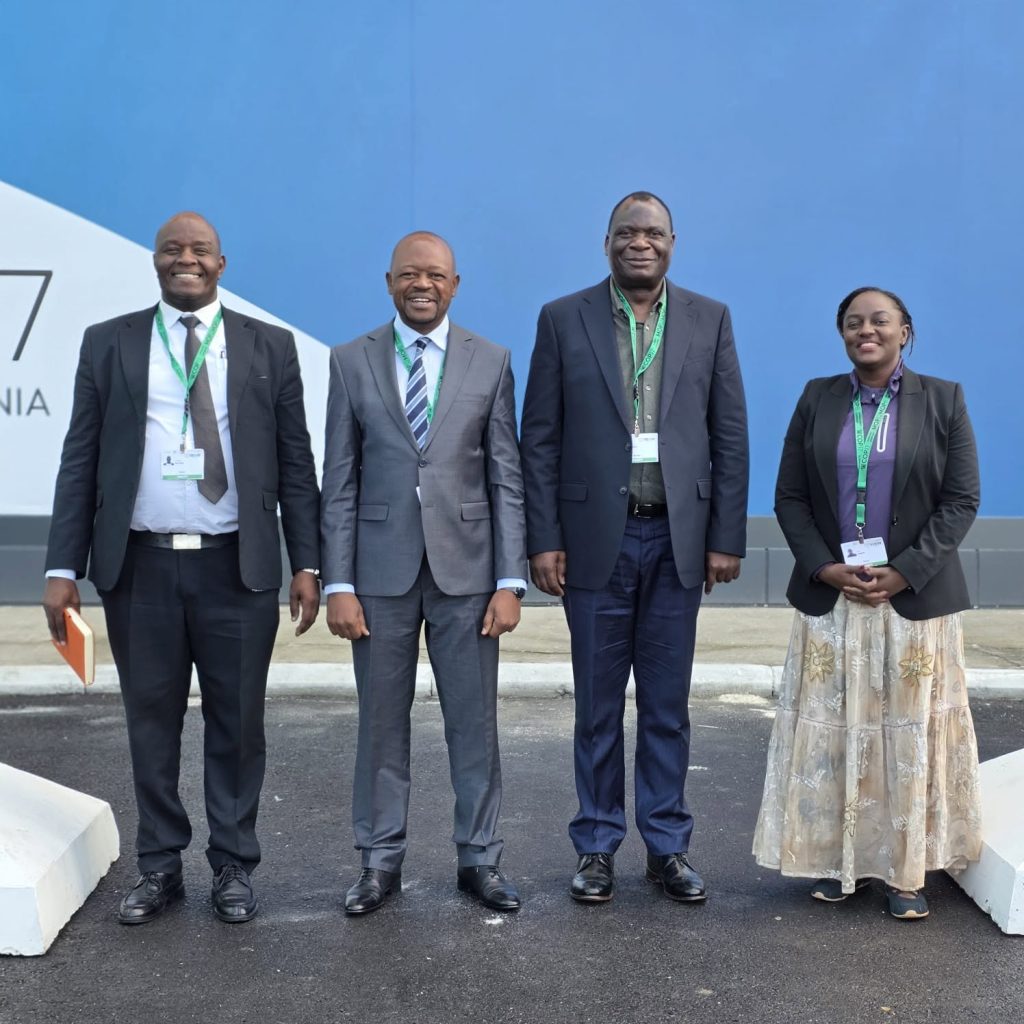
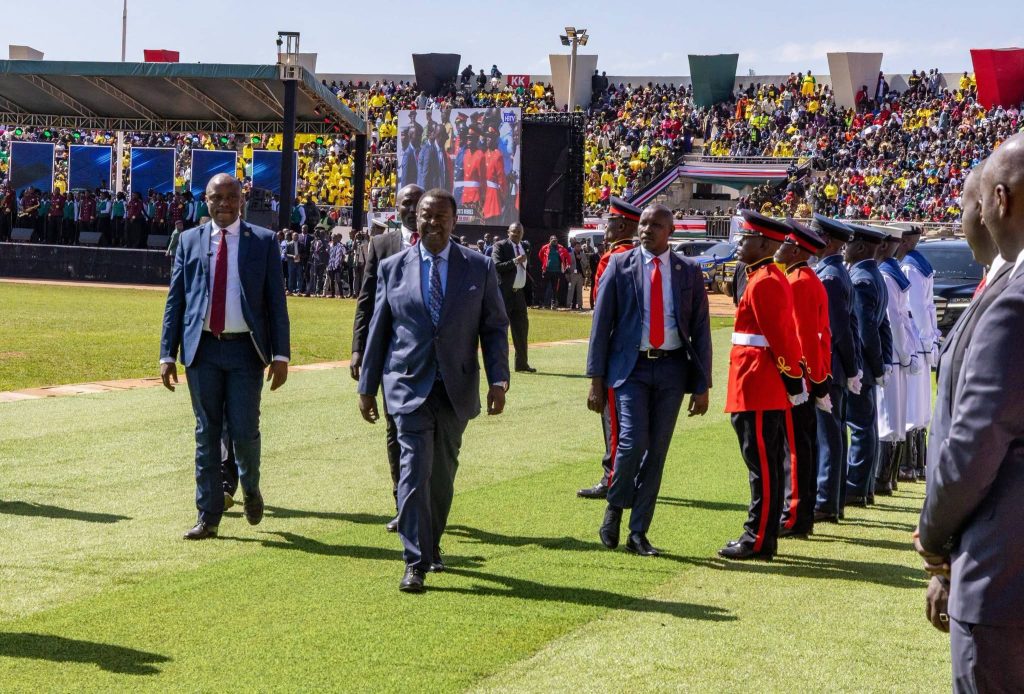
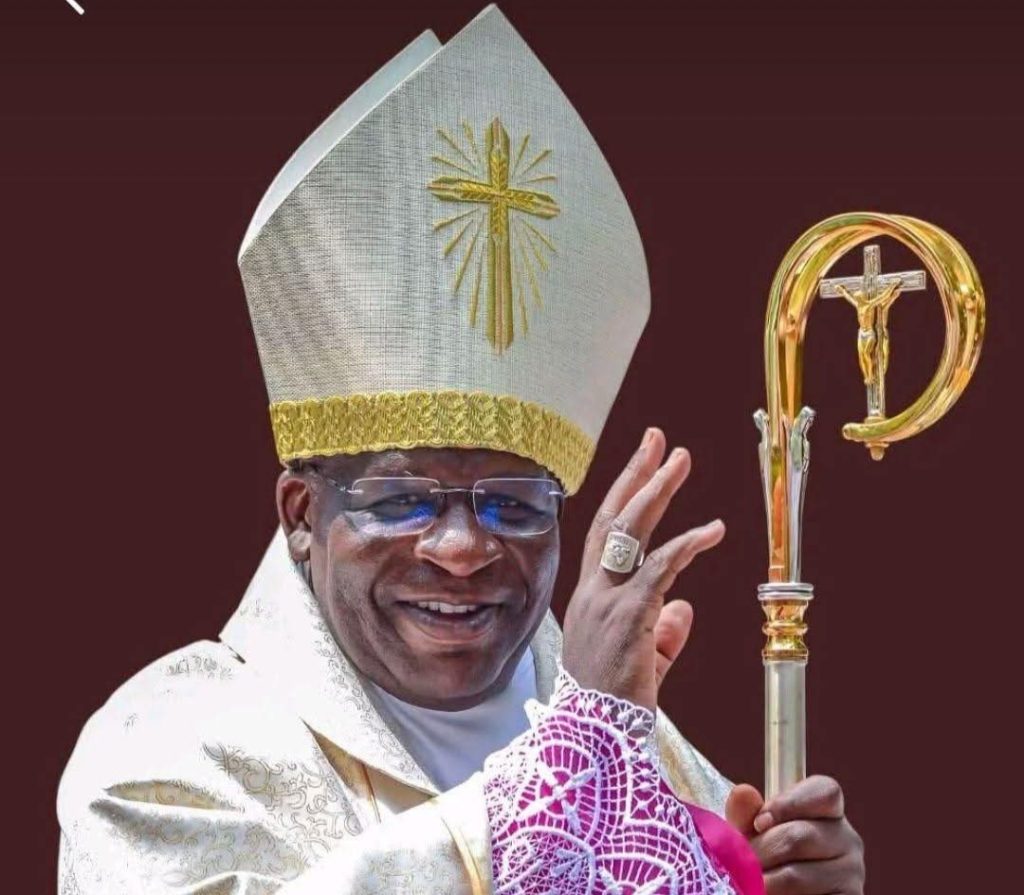

Victor Taracha steps into Maraka Ward political ring, promises real change

Businessman Victor Taracha has intensified his political and humanitarian outreach in Maraka Ward, signaling a determined bid to unseat incumbent MCA Ali Balala in the upcoming elections.
Taracha, who is making his second attempt for the county assembly seat, has been actively engaging residents through the distribution of essential supplies, youth and women empowerment programs, and other community support initiatives.
The efforts are widely seen as part of his strategy to build a strong grassroots base and present himself as a credible alternative to the incumbent.
Residents in Maraka Ward have welcomed the interventions, emphasizing that such programs come at a critical time for families facing economic challenges.
“It is encouraging to see someone who not only talks about change but also takes action on the ground,” said one local resident. “This gives hope to many of us who have been waiting for real leadership.”
Political observers note that Taracha’s return to the political arena is reshaping the dynamics of the MCA race in Maraka Ward.
Having previously contested and lost to Balala, Taracha is now leveraging humanitarian initiatives to reconnect with voters and demonstrate his commitment to addressing their immediate needs.
Analysts say the move could be influential, especially among voters seeking leaders with a hands-on approach to community development.
Incumbent MCA Ali Balala has maintained his presence in the ward through ongoing development projects, but Taracha’s intensified outreach is creating a competitive environment, highlighting contrasting approaches to leadership.
The contest is increasingly being framed as a battle between continuity under Balala and transformative change under Taracha.
During a recent community engagement event, Taracha emphasized that his interventions are not just politically motivated but reflect a long-term vision for Maraka Ward.
“Our people deserve better leadership, development, and opportunities,” he said. “I am committed to ensuring that every household benefits from progress and that our ward moves forward together.”
Taracha’s campaign has also involved collaboration with local youth groups and women’s organizations, who have played a key role in identifying vulnerable households and facilitating resource distribution.
This strategic engagement underscores his focus on grassroots mobilization as a central pillar of his political campaign.
Two years to general election, Maraka Ward residents are watching closely. Analysts predict that the contest between Taracha and Balala will be influenced not only by political promises but also by demonstrated action and community impact. The outcome may serve as a litmus test for how grassroots initiatives can shape electoral results in the region.
With his humanitarian drive and political campaign running in tandem, Victor Taracha is positioning himself as a formidable contender, promising change and a fresh approach to leadership that could redefine the political landscape in Maraka Ward.