




Stolen futures: Childhood lost in the fields and streets of Kenya
The morning mist hangs low over the lush green tea fields of Kericho. At first glance, the scene is idyllic rows of emerald leaves rolling toward the horizon, bathed in a soft orange glow as the sun rises over the Rift Valley. But step closer and the beauty begins to blur.
Between the rows, small figures move with mechanical rhythm, their silhouettes bending and straightening like clockwork. They are not seasoned workers or tea experts. They are children.
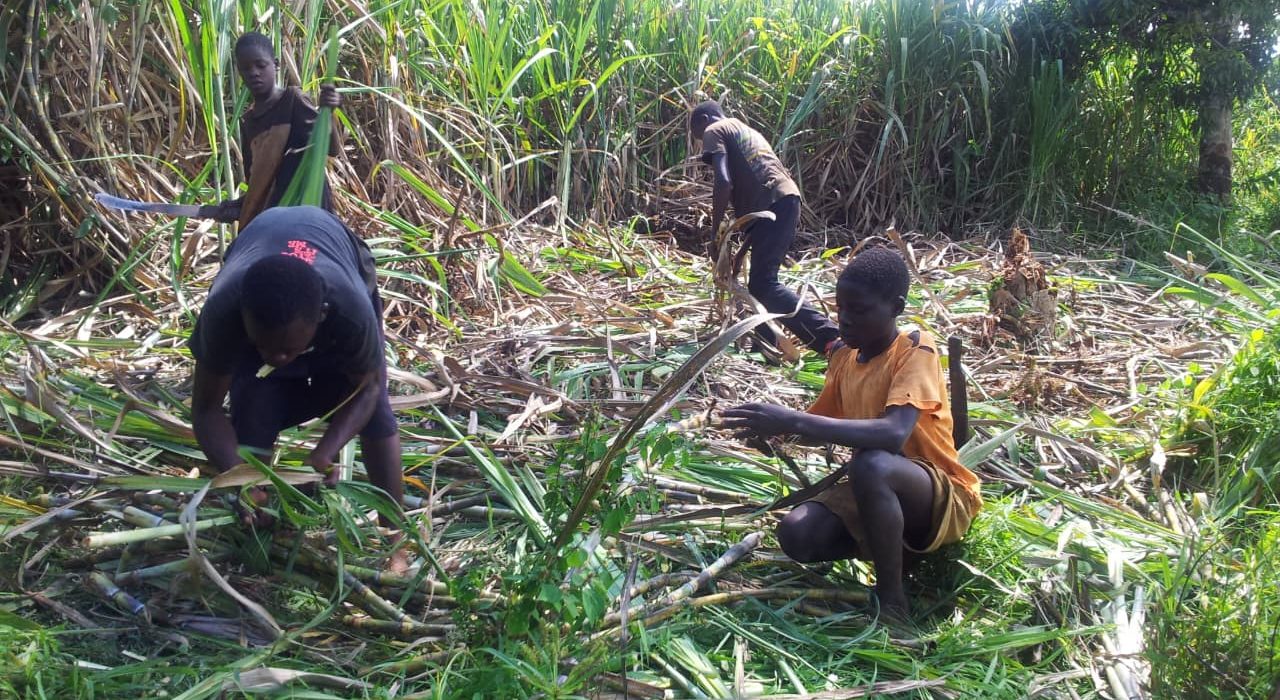
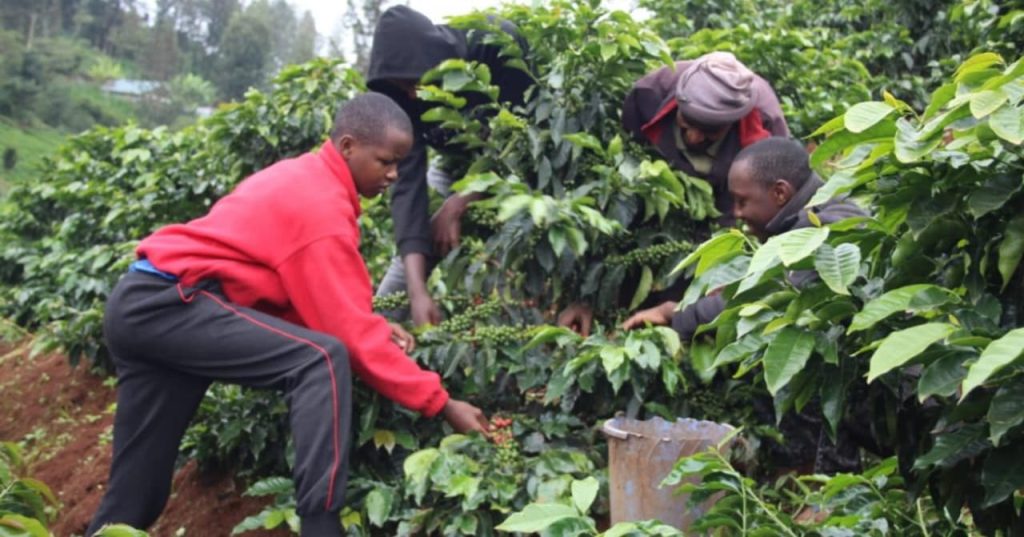
Thirteen-year-old Brian is one of them. His bare feet are caked with red soil, and his tiny hands rough, cracked, and scarred pluck the tender tea leaves with practiced speed. A woven basket, nearly as tall as he is, hangs from his narrow shoulders, its weight dragging his small frame forward.
He wears a torn shirt , faded almost to grey, and shorts held together by safety pins. The clothes hang loosely from his thin body, a testament to meals skipped and childhoods spent in labour instead of play.
“I wanted to be a teacher,” Brian says, his voice soft but steady as he pauses to catch his breath. “But after my father left, there was no money for school. My mother says we have to survive. So, I work.”
He is one of thousands of children scattered across the tea estates of Kericho County a region celebrated worldwide for producing Kenya’s finest tea but cursed as one of the country’s worst hotspots for child labour.
Alongside Kericho, Bungoma, Kakamega, Turkana, Kilifi, and parts of Narok are among the counties where child labour is most entrenched, according to Ministry of Labour data and UNICEF field reports.
These counties, rich in agriculture and informal economic activity, have become silent theatres of exploitation.
A Crisis That Deepened in Four Years
Child labour in Kenya is not new, but the past four years have pushed it to crisis levels. In 2020, when COVID-19 forced schools to close and millions lost their livelihoods, an estimated 250,000 additional children entered the workforce.
In 2022 and 2023, the worst drought in four decades devastated crops and incomes, forcing rural families especially in Turkana and Garissa to send their children to work.
Inflation, job cuts, and the rising cost of living in 2023–2024 deepened the desperation.
The result: a sharp rise in the number of working children. According to UNICEF and the International Labour Organization (ILO), over 1.3 million Kenyan children between the ages of 5 and 17 are now engaged in child labour many in hazardous conditions. Across Africa, the figure stands at 72 million, nearly half the global total of 160 million.
And while the numbers tell a story of systemic failure, the faces behind them reveal something deeper stolen dreams, crushed potential, and a generation raised on survival rather than schooling.
The Weight of Work
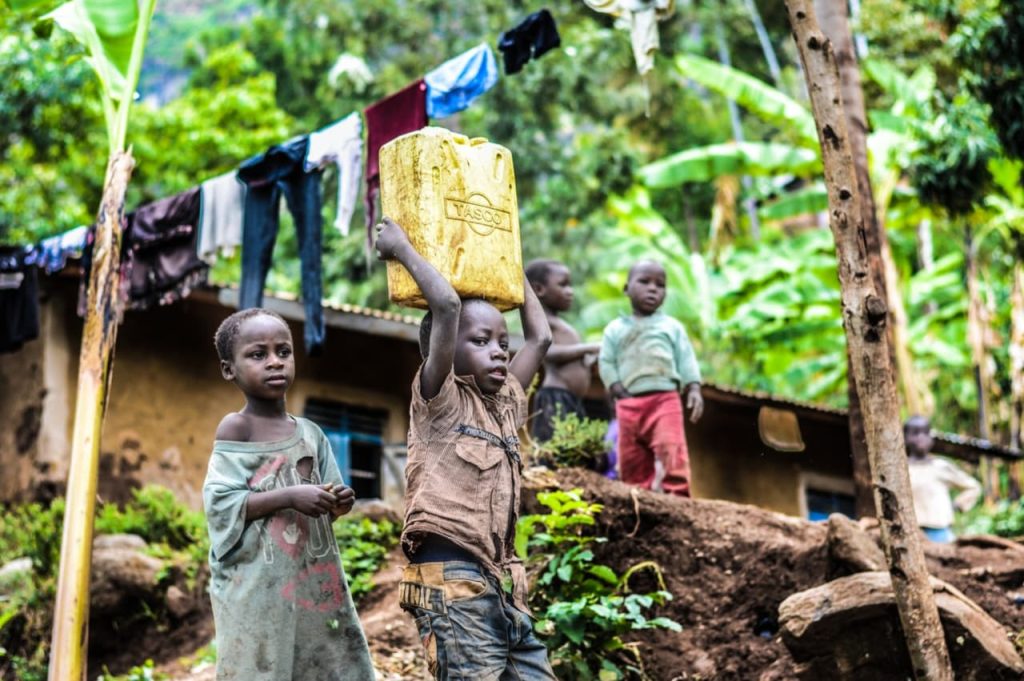
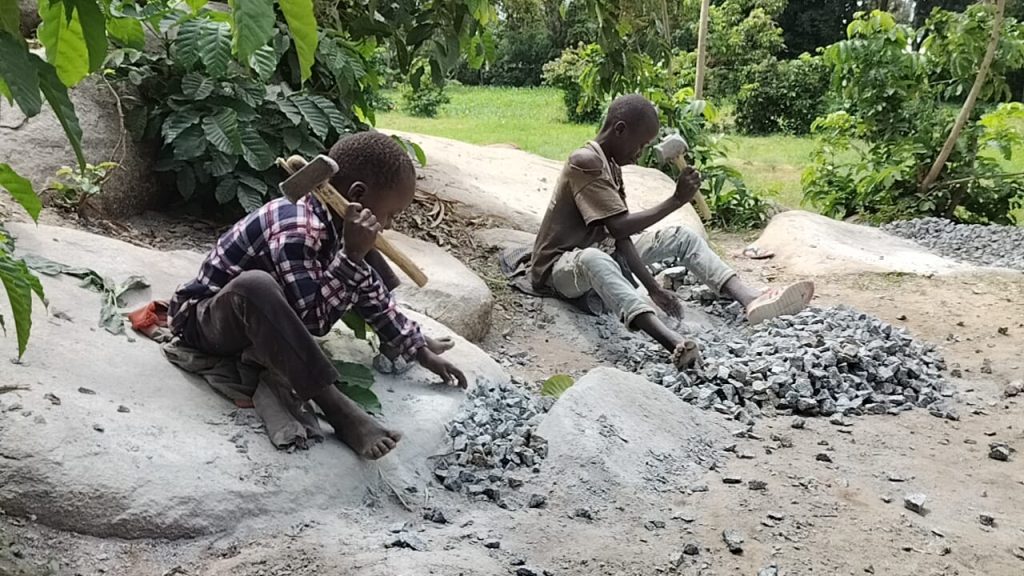
A day in the fields begins before dawn. Children like Brian trek long distances, often barefoot, to reach the plantations.
The work is physically punishing long hours under scorching sun, heavy baskets that can weigh more than 25 kilograms, exposure to pesticides that burn the skin and inflame the lungs. Their bodies, still growing, buckle under the relentless demands.
Their faces bear the marks of exhaustion: hollow cheeks, cracked lips, brows furrowed by constant worry. And their eyes once bright with imagination now stare ahead with a weary dullness, the gaze of children who have forgotten how to dream.
“Child labour is not just a poverty problem it’s a public health emergency,” says Dr. Mercy Korir, a public health specialist in Nairobi. “We’re seeing children with chronic back injuries, respiratory diseases, chemical burns, and severe anxiety. Their bodies are breaking down before they’re even fully grown.”
From the Fields to the City Streets
Three hundred kilometres away, in Nairobi, the story takes a darker, more desperate turn.
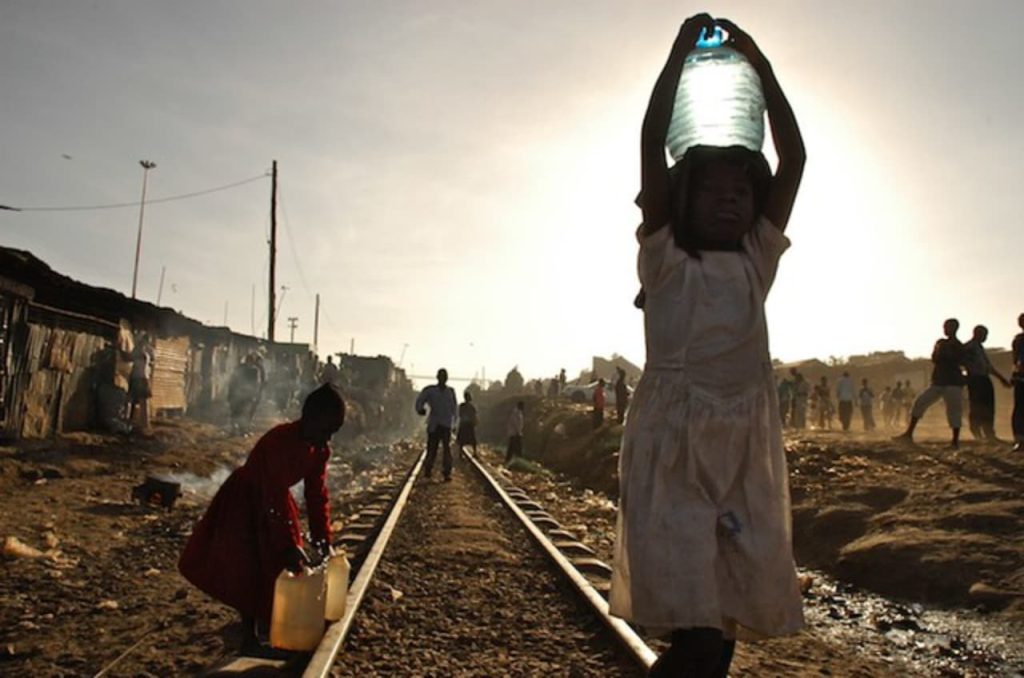
At the sprawling Dandora dumpsite, 12-year-old Mary scavenges through mountains of rotting garbage. Her dress, once a bright red school uniform, is now a filthy patchwork of rips and stains.
Her feet are bare, cut and calloused. She wears torn polythene bags as makeshift gloves to protect her hands from broken glass and rusted tins. Each item she collects a plastic bottle, a scrap of metal is worth a few shillings. Most days, she earns less than KSh 50.
“I wanted to be a nurse,” she says, without looking up from the pile. “But I’ve never been to school.”
In Gikomba Market, 14-year-old Joseph is unloading bales of second-hand clothes from a truck. The loads are heavier than he is.
His clothes are soaked with sweat, his face smeared with dust, his hands trembling from exhaustion.
“If I don’t work, my brothers don’t eat,” he says.
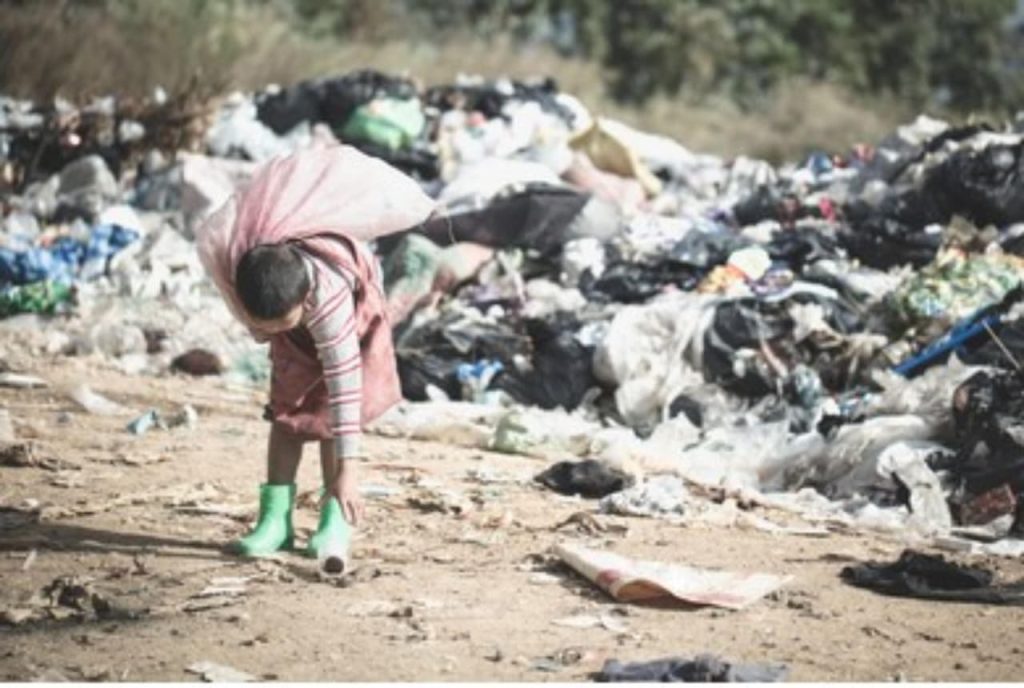
Nairobi, too, has seen an explosion of child labour over the last four years. Social workers estimate that the number of working children in the city’s informal sector in dumpsites, workshops, markets, and private homes has increased by almost 60% since 2019. Many are street children, displaced by poverty or violence.
Others were pulled out of school by parents who could no longer afford fees. All are trapped in a cycle of exploitation they cannot escape.
The Health Toll
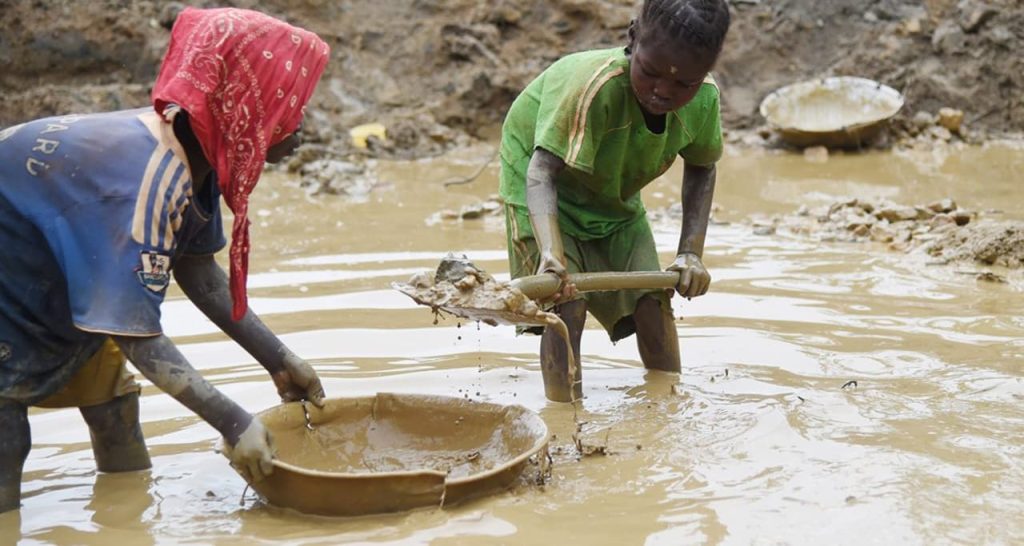
The impact of this work on their health is catastrophic. Doctors in Nairobi’s informal settlements report a surge in cases of respiratory illness from inhaling smoke and toxic fumes, spinal injuries from carrying heavy loads, and chemical poisoning from handling hazardous waste.
“We are treating children with adult illnesses,” says Dr. Lucy Githinji of Kenyatta National Hospital. “They come to us with diseases we normally see in people in their fifties.”
But the damage is not only physical. The psychological toll the fear, humiliation, abuse, and trauma leaves deep and lasting scars.
Many of these children suffer from depression, anxiety, and post-traumatic stress. Some become victims of sexual exploitation or trafficking. Others turn to crime, drugs, or gangs as the only way to survive.
A Global Economy Built on Tiny Shoulders
The tragedy of Kenya’s child labour crisis is that it does not end at its borders. The tea Brian picks in Kericho is packaged and sold in London and Dubai. The plastics Mary collects in Dandora are recycled into packaging used by global brands.
The clothes Joseph handles are shipped across Africa. Child labour is not a local shame it is a global commodity. And behind every cup of tea, every recycled bottle, every cheap piece of clothing is a story of stolen childhood.
“The world’s appetite for cheap goods is fuelling the exploitation of children,” warns Dr. Mohammed El-Sayed, a UNICEF labour specialist.
“Until we hold corporations accountable and demand transparency in supply chains, this will continue.”
Laws on Paper, Pain on the Ground
Kenya has not been idle. The Children Act of 2022 strengthened penalties for child labour and aligned domestic laws with international conventions.
The government has pledged to eliminate child labour by 2027 and launched campaigns to raise awareness. Yet enforcement remains weak.
With fewer than 200 labour inspectors nationwide far below the recommended number most cases go unreported. The informal sector, where more than 80% of child labour occurs, remains almost entirely unregulated.
“We cannot arrest our way out of this,” says Joseph Njoroge, a senior labour officer in Nairobi. “We must address the root causes poverty, inequality, hunger, and lack of education or the cycle will never end.”
The Faces Behind the Numbers
As the sun sinks behind the Kericho hills, Brian empties his last basket and begins the long walk home.
His back aches, his hands throb, and his stomach growls from hunger. Yet his spirit, though battered, is not broken.
“I still want to go back to school,” he says. “I want to be a teacher. Maybe one day, I will.”
In Nairobi, Mary climbs a heap of trash and gazes at the city skyline. The skyscrapers shimmer in the distance a world away from the one she knows.
“I want to wear a uniform and go to school,” she whispers. “I want to heal people.”
They are the faces behind the statistics children with dreams too big for the boxes society has trapped them in. Their stories are a haunting reminder that child labour is not just an economic issue, not just a legal violation.
It is a theft of innocence, of potential, of humanity itself.
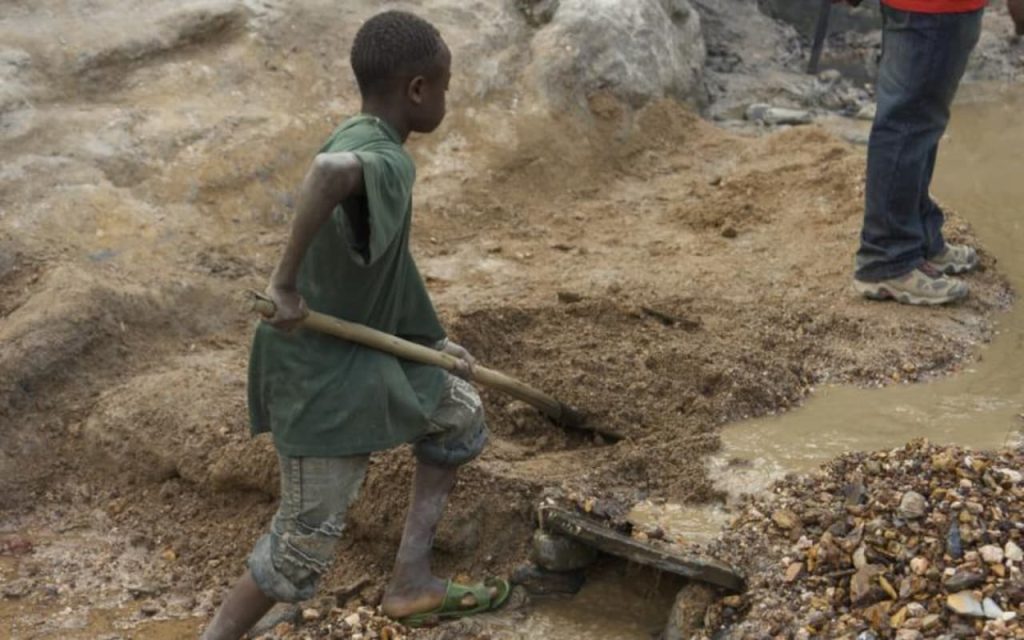
Whether their dreams survive depends on what we do next as governments, as corporations, as communities, and as individuals.
Ending child labour will require more than laws; it will demand bold action social safety nets to lift families out of poverty, free and quality education for all, stronger enforcement of labour laws, and global accountability for supply chains built on exploitation.
Until then, the children of Kericho, Bungoma, Kakamega, Turkana, and Nairobi will continue to bear the weight of a world that has failed them their small shoulders carrying not just the loads of today, but the stolen futures of tomorrow.
(This is a special investigative feature).