


Funyula: Mandu’s bid tests Oundo’s grip on power

The political tempo in Funyula constituency, Busia County, is steadily rising as voters prepare for what is shaping up to be a fierce contest between incumbent Member of Parliament Dr. Wilberforce Oundo and his challenger, Chris Mandu.
The contest is no longer just about who holds the seat but also about how resources are shared across the constituency, a matter that has sparked heated debate on the ground.
Dr. Oundo, who was first elected in 2017, has presented himself as an experienced legislator committed to improving education, infrastructure, and social services in Funyula.
He has cited bursary allocations, school renovations, and road projects as part of his legacy. Yet, despite these claims, sections of the constituency accuse him of skewed distribution of bursaries and infrastructure projects, an issue that could prove costly for his reelection bid.
For many residents, the bursary fund remains one of the most direct ways to feel the impact of their MP’s leadership. Several parents, however, allege that the funds have not been allocated equitably.
Some wards reportedly receive higher allocations than others, and critics suggest that political loyalty often determines who benefits.
“My son qualified for a bursary last year, but we were turned away at the office,” said a parent from Bwiri ward. “Meanwhile, I know families aligned to the MP’s camp who have benefitted more than once. That is not fair.”
The controversy extends to infrastructure, with locals complaining that certain areas enjoy better roads and development projects while others remain neglected.
Villages in the interior parts of Funyula say they are yet to see meaningful improvement in road connectivity, making it difficult to access markets, hospitals, and schools.
These grievances have given Chris Mandu fertile ground on which to build his campaign. Mandu, who has long been active in community mobilization, has positioned himself as the candidate of fairness, transparency, and inclusivity.
He insists that Funyula cannot achieve meaningful progress if development continues to be distributed unevenly.
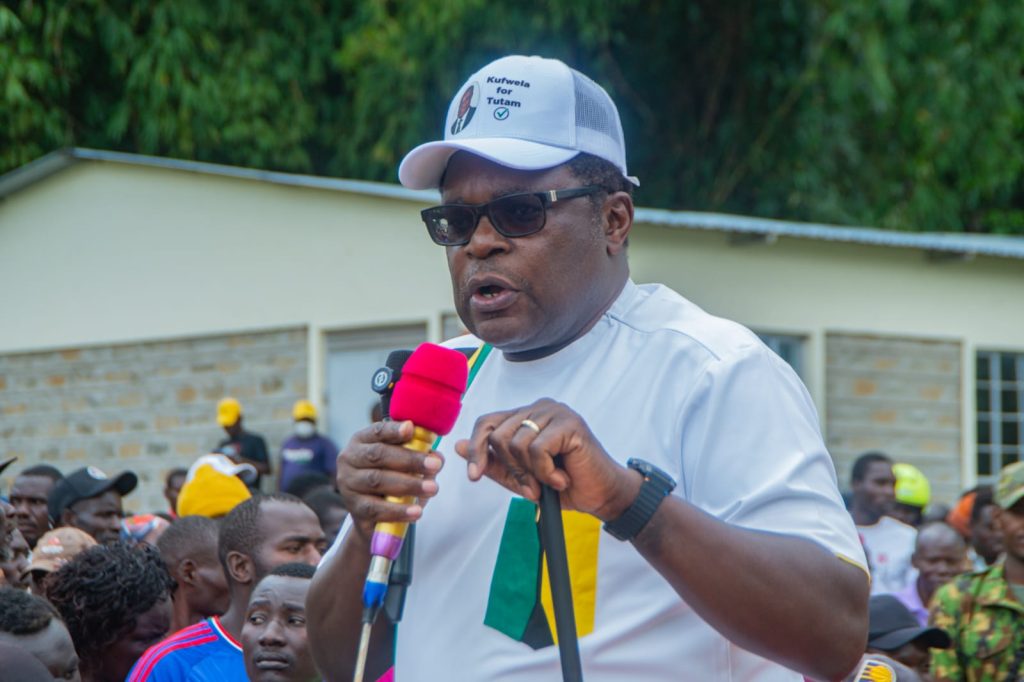
“Every child in Funyula deserves a bursary if they qualify, regardless of who their parents support politically,” Mandu told a gathering in a recent event.
“Every road must be passable, whether it is in the town center or deep in the villages. Development must not be selective.”
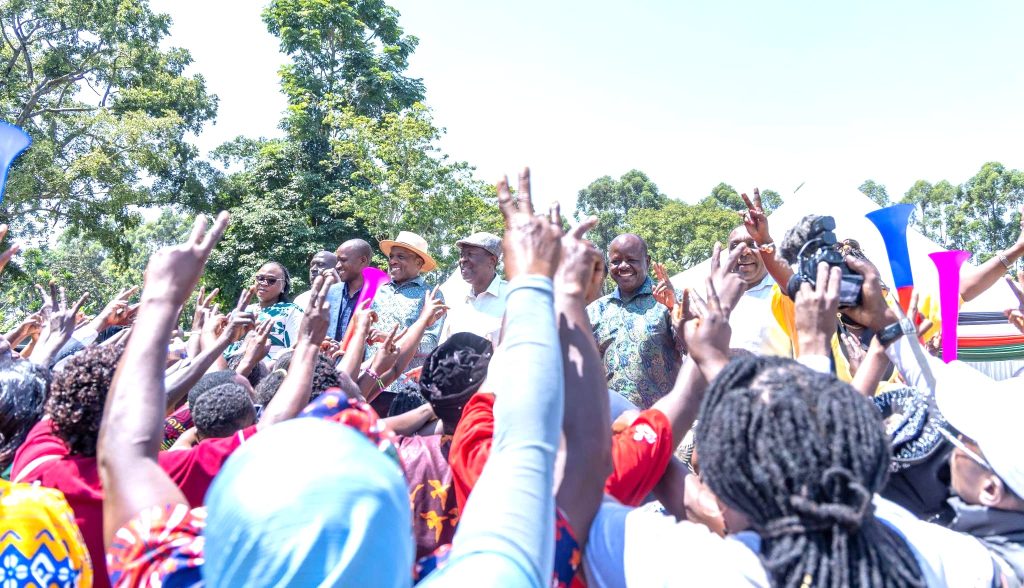
Mandu’s message is resonating with voters who feel left behind. His campaign strategy has centered on grassroots meetings, where he listens to residents’ concerns before outlining his alternative vision. Supporters believe that his focus on equity will set him apart from Oundo’s administration.
However, Oundo’s camp has dismissed the accusations, arguing that the distribution of bursaries and projects is done transparently and in line with set procedures.
His allies point to schools that have benefitted from renovations, improved learning materials, and feeder roads that have been constructed under his tenure.
“We cannot please everyone at the same time,” said a local leader allied to Oundo. “The MP has a development agenda that is ongoing, and Funyula is already seeing the results. Those attacking him are playing politics.”
Despite such defenses, political analysts warn that perceptions of unfairness can be damaging, particularly in an electorate that values inclusivity.
In Busia, where competition between political heavyweights has often been intense, even small pockets of discontent can swing results in tight races.
Mandu’s challenge, however, will be converting discontent into actual votes. As a challenger, he faces the uphill task of building campaign machinery strong enough to rival Oundo’s established networks. He must also convince undecided voters that he is not merely criticizing but also capable of delivering.
As the election approaches, Funyula finds itself at a crossroads: will the constituency choose continuity under Oundo, trusting his experience and ongoing projects, or will it embrace Mandu’s call for fairness and equitable distribution of resources?
For now, the debate continues to simmer in homes, markets, and churches across the constituency. What is clear is that Funyula politics has become a referendum on equity, development, and the right of every voter to feel included in the national promise.


