
FWAMBA: Why Ruto is building new partnership with Gusii Community ahead of 2027
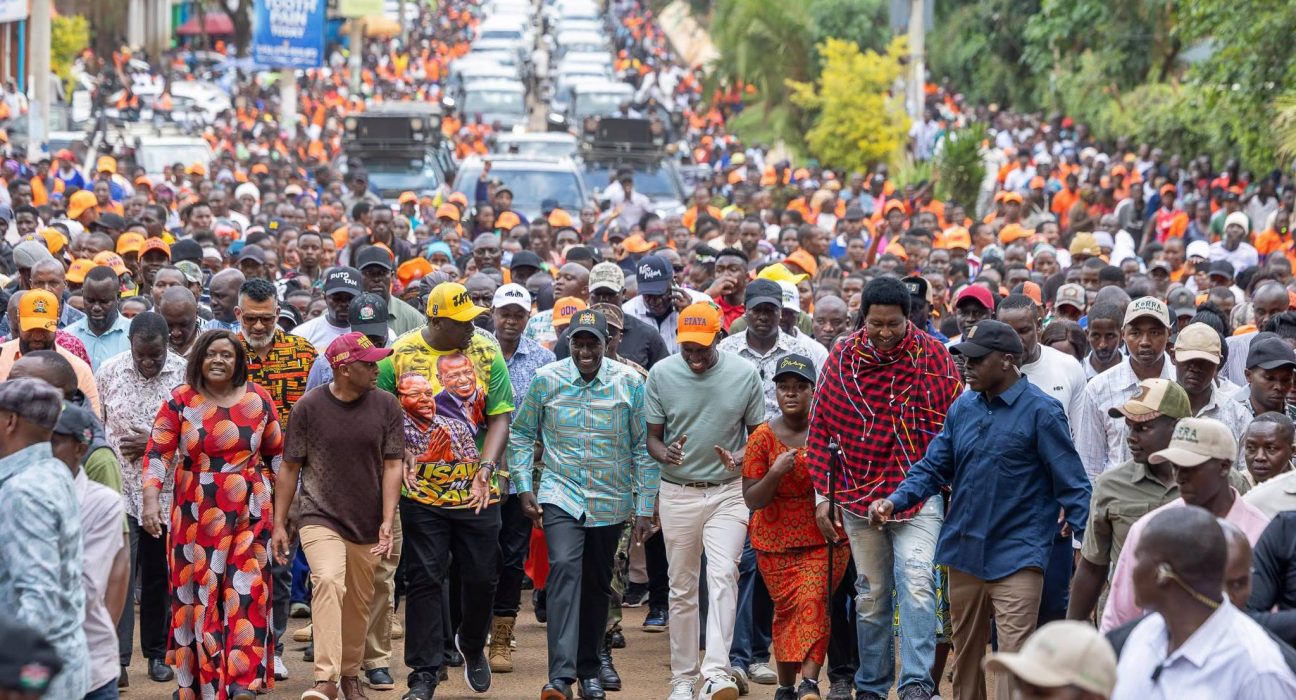
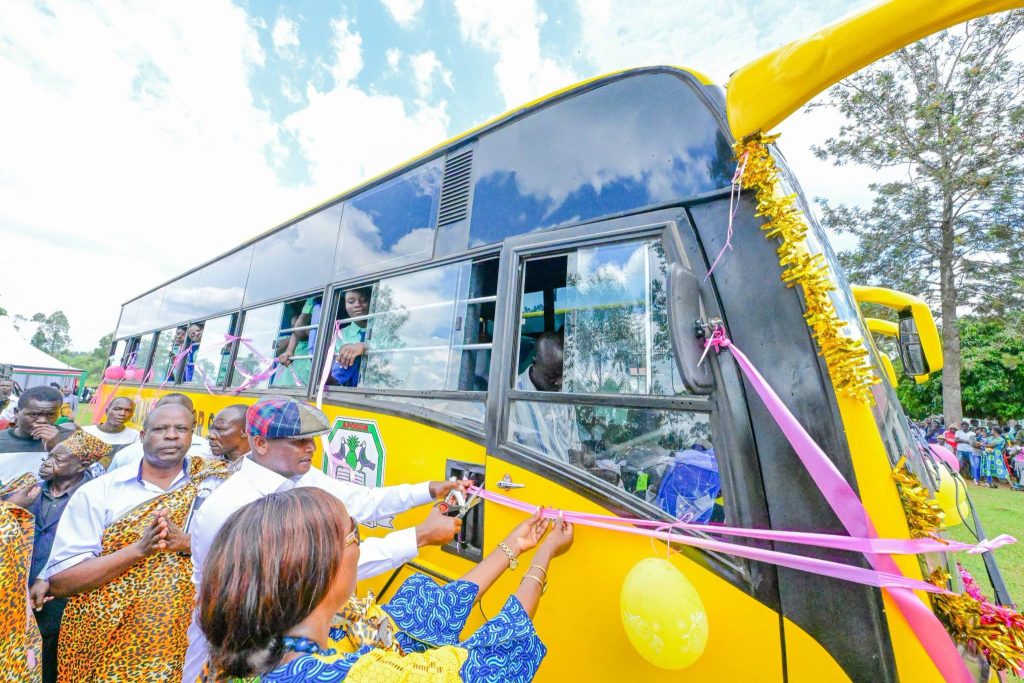
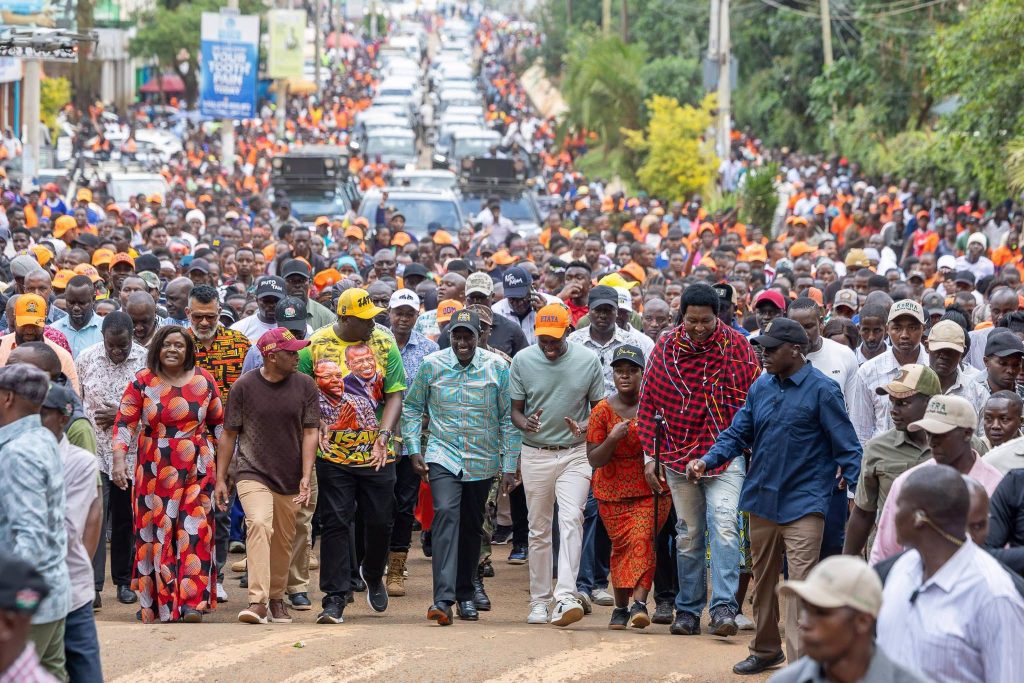
President William Ruto has just completed his four-day development tour of Kisii and Nyamira counties, an engagement that placed the region’s development priorities at the center of the national agenda. The tour demonstrated the President’s commitment to taking government closer to the people, accelerating infrastructure development and strengthening the participation of every region in Kenya’s economic transformation.
President Ruto has emerged as everybody’s President. His responsibility extends beyond the communities that supported him in the 2022 election. As Head of State, he represents the unity of the Republic and is constitutionally required under Article 131(2)(b) to safeguard that unity. His engagement with Kisii and Nyamira reflects the principle that every Kenyan community deserves national attention, equitable development and fair access to public resources.
Articles 10 and 27 of the Constitution of Kenya, 2010, reinforce this approach. Article 10 establishes inclusiveness, equality, social justice and non-discrimination as national values and principles of governance. Article 27 guarantees equality and prohibits discrimination, including discrimination by the State on grounds of political or other opinion. President Ruto’s development agenda gives practical expression to these principles by placing national development above historical political divisions.
The four-day tour brought substantial development interventions into focus. In Kisii, the KSh22 billion road programme covering approximately 270 kilometres represents a major investment in connectivity. Improved roads will strengthen access to markets, reduce transportation costs, support agricultural trade and open up communities to new economic opportunities. Infrastructure development is an important foundation for regional growth, and the President’s attention to this priority demonstrates the value his administration attaches to the economic potential of the Gusii region.
Education and skills development also featured prominently. The establishment of Ibeno Kenya Medical Training College, investment in Kisii National Polytechnic hostels, improvements to school infrastructure and the KSh500 million commitment towards completing and equipping Nyamira University speak directly to the aspirations of young people. These initiatives expand access to education, strengthen technical training and create opportunities for the next generation to participate in the country’s economic development.
The administration’s engagement extends to healthcare, electricity, water, housing, markets and agriculture. These sectors have a direct bearing on household welfare and economic productivity. Electricity connectivity supports businesses and homes, improved health facilities strengthen access to medical services, while better markets and agricultural infrastructure can improve incomes. The attention given to these priorities reflects an understanding that development must be experienced in the daily lives of citizens.
The significance of the tour extends beyond the projects themselves. It reflects a President who is engaging communities across the political divide and seeking to build a shared national development agenda. The broad-based political arrangement has opened new avenues for cooperation between national government and leaders from different political formations. This creates space for communities to pursue their development interests without being confined by past electoral alignments.
The Gusii community has a substantial stake in Kenya’s economic future. Its contribution to agriculture, commerce, education, professional services and national public life deserves recognition. The President’s engagement with Kisii and Nyamira acknowledges this contribution and places the region within the wider national conversation on economic transformation.
The changing political environment also gives this engagement added significance as the country approaches the 2027 General Election. The passing of Raila Odinga has marked a new chapter in national politics. Communities are reassessing their political relationships in a changing environment, with development, national inclusion and economic opportunity forming important considerations. President Ruto’s direct engagement with the Gusii region provides a basis for a broader political conversation founded on shared national interests.
The President’s approach sends an important message: national development should not be determined by the political choices communities made in previous elections. A road in Kisii, an educational institution in Nyamira, electricity connections in rural settlements and improved public services are investments in Kenya and its people. They strengthen the bond between citizens and the Republic.
President Ruto has demonstrated that the presidency must serve the whole country. His four-day tour of Kisii and Nyamira has reinforced the place of the Gusii community in the national development agenda and opened an important chapter in its relationship with the national government. As 2027 approaches, the development partnership taking shape between the President and the region will form part of the wider national political conversation. At its heart is a shared aspiration for inclusive growth, national unity and a more prosperous Kenya.