



Facing the Knife, Again: Bearing Witness to the Bagishu Circumcision Ritual
As a proud member of the Bukusu community in Kenya one of the 17 Kenyan tribes of the Luhya Bantu people of East Africa, I have already undergone the traditional circumcision ceremony Two decades ago that marks the transition from boyhood to manhood.
It was a profoundly transformative experience that forever shaped my identity and connection to my cultural heritage.
Join our WhatsApp Channel here for more news updates.
Circumcision among the Bagishu, and in closely related form among the Bukusu, places initiates into a structured age-set system known as Bibingilo.
The system consists of eight age-groups that rotate over a cycle of more than a century:
Bakolongolo (2000–2010), Bakikwameti (2012–2022), Bakananachi (2024–2034), Bakinyikeu (1936–1946), Banyange (1948–1958),Bamaina (1960–1970), Bachuma (1972–1986), Basawa (1988–1998).
Each age-group lasts 12 years, divided into six two-year sub-sets, except Bachuma, which lasted 16 years.
Oral history explains this anomaly: an elder from the previous Basawa cycle lived long enough to witness a forbidden overlap of age-groups. After his death in 1884, the system resumed in 1888, and a strict rule was adopted to prevent future delays.
Each age-group appears only once every century. Time itself is ritualised, disciplined, and guarded as carefully as the blade.
However, when my employer, tasked me with covering the circumcision rituals of the neighboring Bagishu community in eastern Uganda in 2014, I knew I would be facing the knife once again – this time not as a participant, but as an observer and journalist.
Bagishu Circumcision is not an annual event. The ceremony I attended took place in august 2024. There were no circumcisions in 2025, and the next initiation ceremonies are scheduled for August and December 2026, when another generation of boys will step forward to face the knife.
The assignment was an important one by reporting on the cultural traditions of our neighbouring communities, we hoped to foster a greater understanding and appreciation for the diverse tapestry of African heritage.
Yet, as I prepared to embark on this journey, I couldn’t help but feel a sense of trepidation. While the Bukusu and Bagishu communities share many cultural similarities, I was keenly aware that there were also significant differences – differences that could have a profound impact on the dynamics and power structures within the circumcision ritual.
“As a Bukusu man, you have a unique perspective to offer,” my editor had reminded me before I left. “But you must also be open to learning and understanding the nuances of the Bagishu tradition. This is not just about reporting, it’s about cultural exchange and bridging the divides that too often separate our communities.”
Her words echoed in my mind as I crossed the border into Uganda, my senses heightened with a mix of anticipation and trepidation. I knew that this was not just another assignment – it was an opportunity to bear witness to a sacred rite of passage, to step into the shoes of those who had come before me, and to gain a deeper understanding of the cultural narratives that shaped the lives of my fellow East Africans.
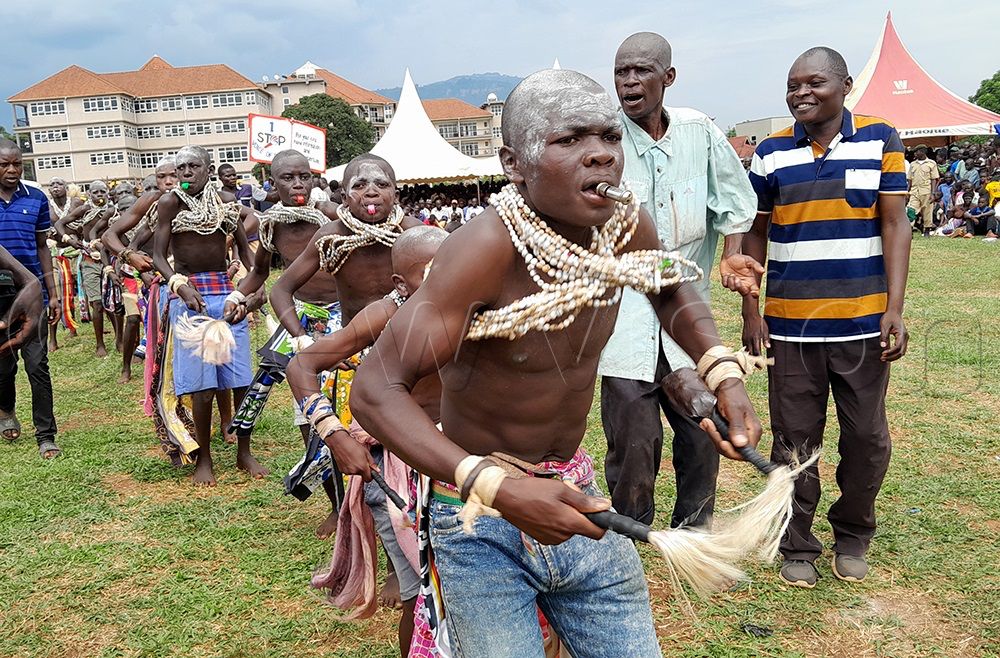
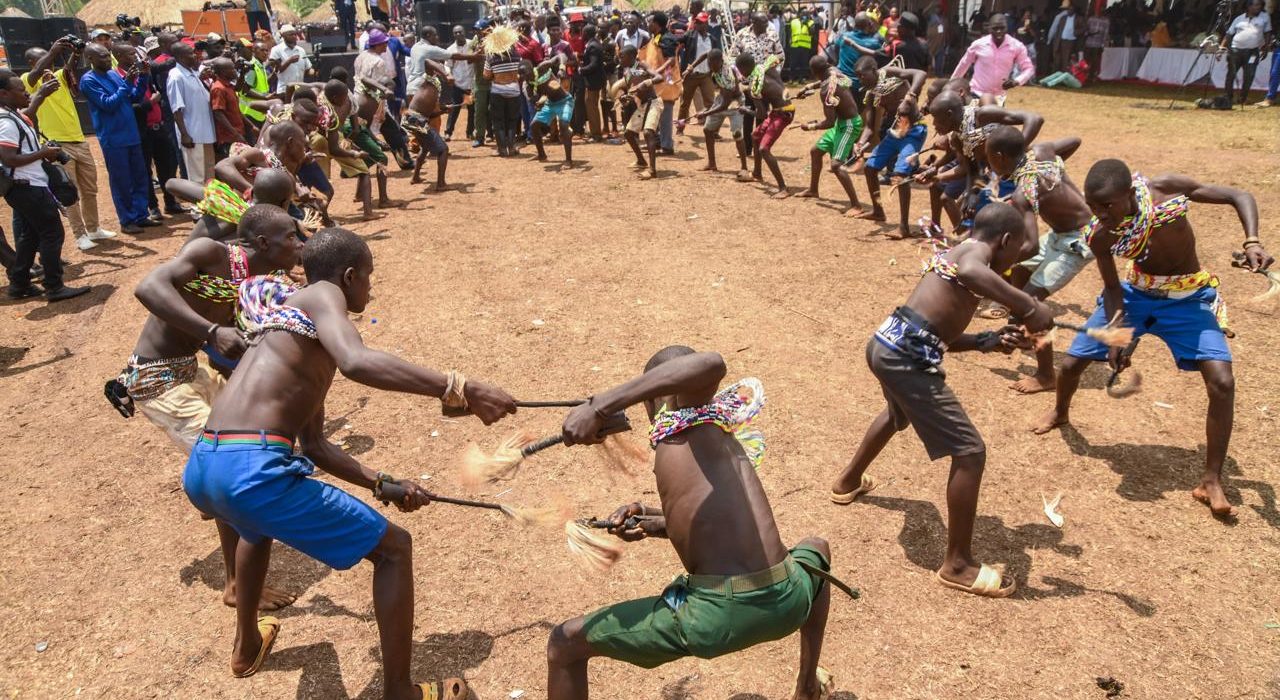
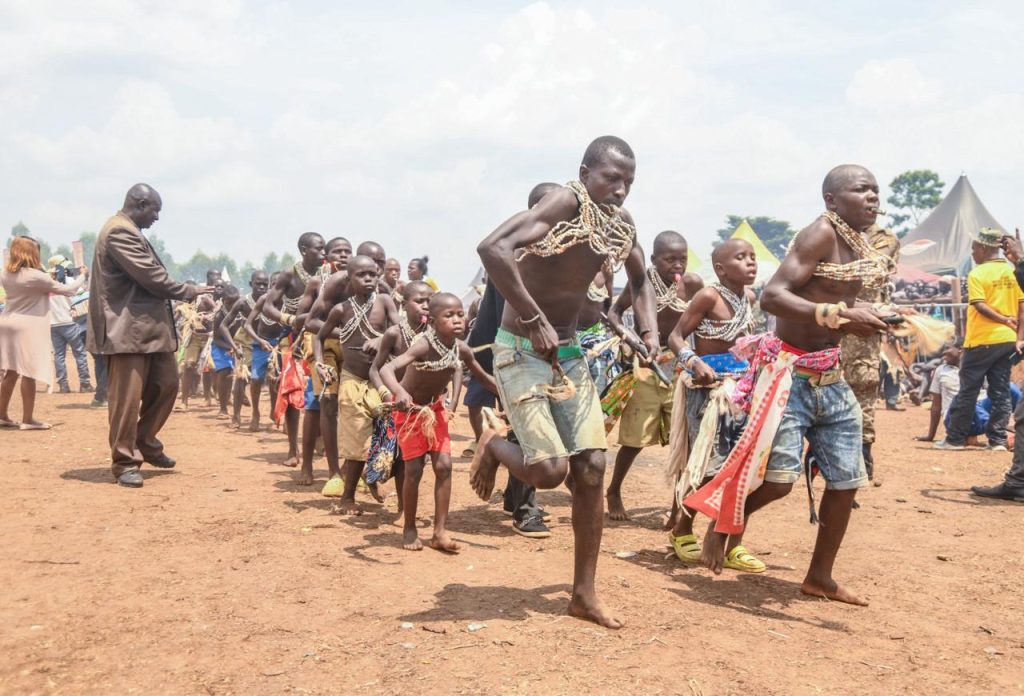
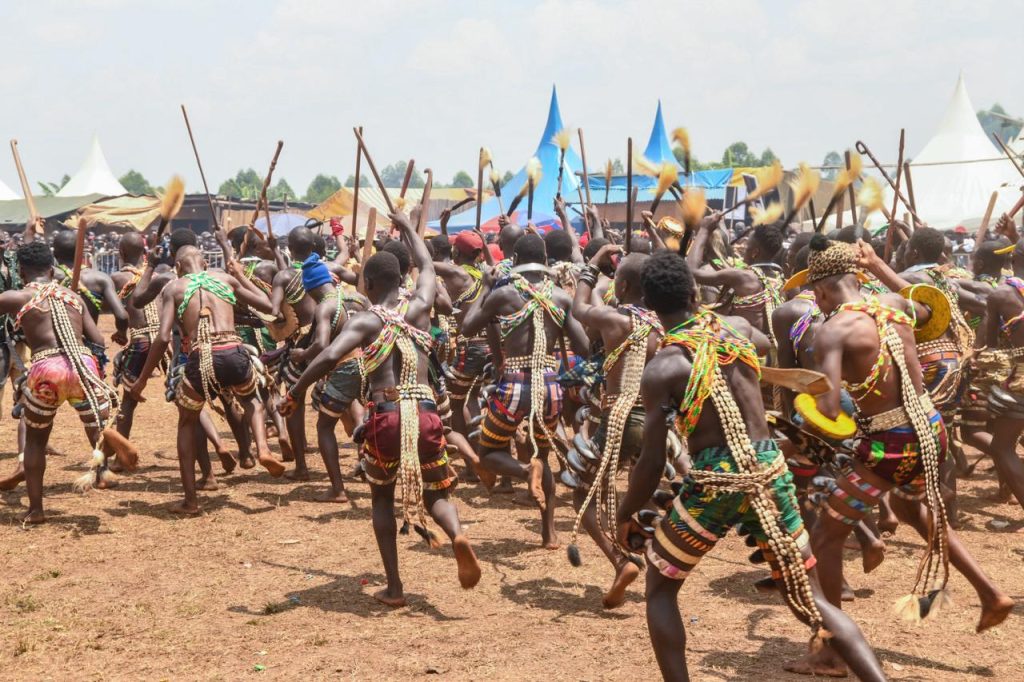
As I approached the ceremonial site, the sound of Kadodi drums echoed through the cloudy Mutoto forest in Mbale – Uganda’s youngest city. Young boys took steps of courage into manhood. The energy was palpable.
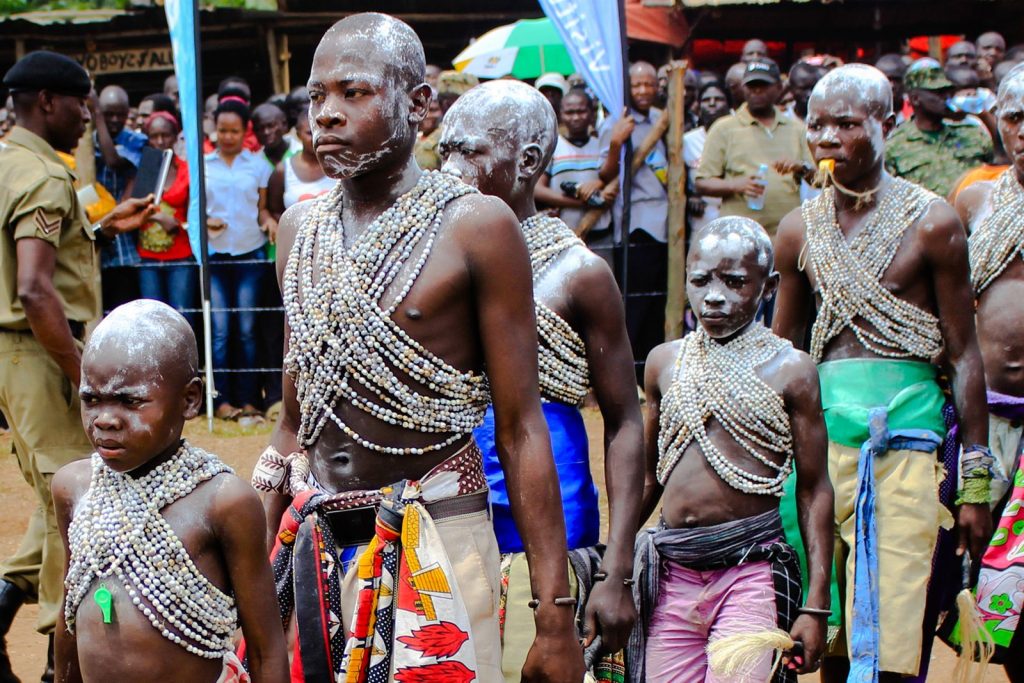
Throngs of people gathered, young men seated in a semi-circle, their bodies adorned with intricate body paint and traditional attire. The air thick with the rhythmic chanting of elders, punctuated by the thunderous beats of drums.
“Welcome, my brother,” a voice called out, and I turned to see an elder named Mzee John striding towards me, his face alight with a warm smile. “We are honoured to have a Bukusu man join us in this celebration of our heritage.”
I grasped his outstretched hand, feeling an immediate kinship with this man who, despite hailing from a different community, shared a common cultural lineage.
“The honour is mine,” I responded, my voice tinged with a mixture of excitement and trepidation.
As Mzee John ushered me into the ceremonial space, I couldn’t help but notice the stark contrast between the Bukusu and Bagishu rituals. While the Bukusu ceremony had been a male-only affair, the Bagishu tradition seemed to embrace a more inclusive approach.
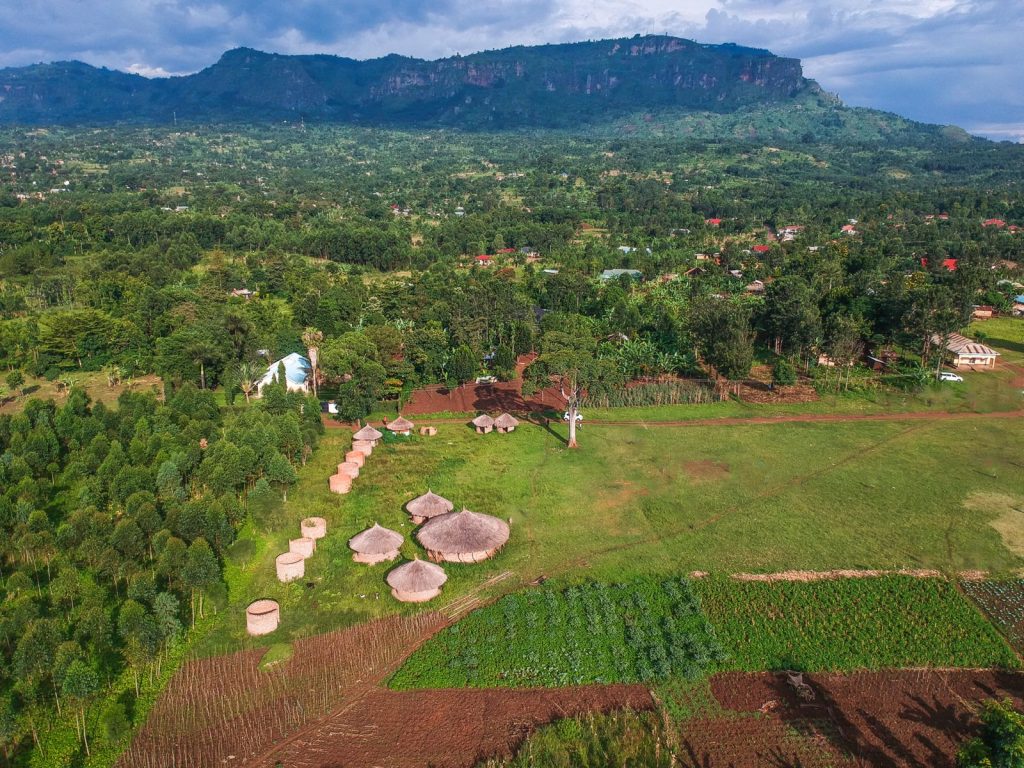
Women were present, their voices mingling with the chants of the men, and I even spotted a few female elders overseeing the proceedings from a distance. In the African round hut.
“In our community, the women play a vital role in the circumcision ritual,” Mzee John explained, sensing my curiosity.
“They are the guardians of our traditions, the keepers of the sacred knowledge that has been passed down through generations.”
I nodded, my mind instantly flashing back to the marginalization of the Bagishu women that I had witnessed during my previous assignment.
“What about the Bagishu women who were once responsible for performing the circumcisions?” I asked, my voice tinged with a hint of concern. “I’ve heard that they are no longer allowed to participate in the ritual.”
Mzee John’s expression darkened, a shadow passing over his face. “Ah, yes, that is a deeply troubling issue,” he sighed. “The elders of our community have, in their wisdom, decided that the role of the circumciser should be reserved for the men. They believe it is a sacred duty that should not be entrusted to women.”
I felt a tinge of unease at his words, the memory of the Bagishu woman’s haunting testimony still fresh in my mind.
“But surely the women’s expertise and knowledge are valuable assets to the tradition?” I pressed, unable to hide the concern in my voice.
Mzee John gaze met mine, and for a moment, I saw a glimmer of uncertainty in his eyes. “You raise a valid point, my brother,” he conceded. “The women of our community have long been the keepers of this sacred rite, and their exclusion has been a source of great pain and resentment.”
He paused, his brow furrowing in contemplation. “However, the elders believe that the circumcision ceremony is a rite of passage into manhood, and that it should be guided by the wisdom and experience of our male elders.
They fear that allowing women to participate would undermine the sanctity of the tradition and the authority of the men.”
I nodded, understanding the cultural context, but still unable to shake the sense of unease that had settled in the pit of my stomach. “And what of the women who were once the circumcisers?” I asked, my voice low. “What has become of them?”
Mzee John gaze shifted, his expression darkening once more. “Ah, yes, the plight of the Bagishu women circumcisers,” he murmured, his voice heavy with a tinge of regret. “It is a complex and difficult situation, one that has caused great pain and division within our community.”
He paused, his eyes scanning the bustling ceremonial grounds, as if searching for the right words to convey the gravity of the situation.
“The elders have taken steps to undermine the authority and morale of these women,” he began, his voice tinged with a hint of shame. “They have been denied access to the ceremonial grounds, forbidden from participating in the rituals, and even threatened with ostracization if they dare to defy the elders’ orders.”
I felt a surge of outrage rise within me, the injustice of the situation weighing heavily on my conscience.
“But how can this be?” I exclaimed, unable to contain my emotions. “These women were the very guardians of our traditions, the ones who ensured the sanctity and continuity of our cultural heritage. How can the elders simply cast them aside?”
Mzee John lowered his gaze, his expression one of deep sorrow. “It is a painful reality, my brother,” he murmured. “The elders believe that the women’s presence in the ritual is a threat to the traditional order, a disruption to the delicate balance of power that has sustained our community for generations.”
He paused, his eyes meeting mine with a plea for understanding. “You must understand, the circumcision ceremony is not just a physical rite, but a deeply spiritual and cultural event. The elders believe that the presence of women, particularly in the role of the circumciser, could pollute the sanctity of the ritual and undermine the authority of the men.”
I listened, my heart heavy with a mix of empathy and outrage. As a Bukusu man, I understood the profound significance of the circumcision ceremony, the way it shaped the very fabric of our cultural identity.
But I also recognized the inherent injustice in the marginalization of the Bagishu women, the silencing of their voices and the erasure of their vital contributions to the tradition.
“What of the women’s perspective?” I asked, my voice tinged with a sense of urgency. “Have their voices been heard, their concerns taken into account?”
Mzee John expression darkened once more, a flicker of shame passing across his weathered features.
“Regrettably, the elders have been unwilling to engage in open dialogue with the women,” he admitted. “They view the women’s demands for inclusion as a challenge to their authority, a threat to the very foundations of our cultural heritage.”
He paused, his eyes downcast. “Some of the women have tried to resist, to assert their rightful place in the ritual, but the consequences have been severe.
They have been ostracized, their livelihoods threatened, and in some cases, even faced with physical violence from the elders and their supporters.”
I felt a chill run down my spine, the weight of Mzee Wabwire’s words settling heavily upon my conscience.
How could a community that so fiercely guarded its cultural traditions be so willing to trample upon the rights and dignity of its own members?
As I stood there, grappling with the complexities of this issue, I couldn’t help but draw parallels to my own Bukusu heritage. While the Bukusu ceremony had been a male-only affair, I had never questioned the rationale behind it, simply accepting it as a longstanding tradition.
But now, in the face of the Bagishu women’s struggle, I found myself questioning the very foundations of my own cultural identity.
“What can be done to address this injustice?” I asked, my voice tinged with a sense of determination. “Surely there must be a way to find a balance, to honor the traditions while also respecting the rights and contributions of the women?”
John expression softened, and for a moment, I saw a glimmer of hope in his eyes. “You raise a fair and important question, my brother,” he said, placing a weathered hand on my shoulder. “The elders may be resistant to change, but I believe that there are avenues for dialogue and compromise, if we are willing to approach this issue with open hearts and minds.”
He paused, his gaze sweeping across the ceremonial grounds, where the young Bagishu men were preparing to face the knife. “Perhaps,” he continued, “there is a way to honour the women’s traditional role in the ritual, while also respecting the cultural significance of the male-led ceremony.
It will require a delicate balancing act, but I believe that with patience, empathy, and a willingness to listen to all voices, we can find a path forward that preserves the essence of our traditions while also upholding the rights and dignity of all members of our community.”
I nodded, feeling a renewed sense of purpose and determination. As a Bukusu man, I understood the profound significance of the circumcision ceremony, the way it shaped one’s identity and connection to cultural heritage.
But I also recognized the importance of challenging long-held traditions, of confronting the inequities and injustices that had been accepted and perpetuated for generations.
“I will do my part to amplify the voices of the Bagishu women,” I vowed, my eyes meeting Mzee John with a steely resolve. “Their stories must be heard, their contributions recognized and celebrated. Only then can we truly honour the richness and diversity of our shared cultural heritage.”
With those words, I turned my attention back to the unfolding ceremony, my senses heightened and my mind racing with the weight of the profound responsibility that had been entrusted to me.
As I bore witness to the young Bagishu men facing the knife, I felt a deep sense of kinship and respect, but also a growing determination to use my platform to advocate for a more inclusive and equitable future for all members of our East African communities.
Do you have a story to tell? Do you have a news tip? Do you want to advertise with us? Contact us via news@mulembe.co.ke